Product Education
Are Lab-Grown Diamonds Real?
If you're considering a lab-grown diamond, here's what you should know before choosing your stone.
What Is a Lab-Grown Diamond?
Lab-grown diamonds are made of pure carbon, just like natural diamonds. They're created using intense heat and pressure that closely mimic the conditions beneath the Earth's surface.
There are two primary methods used to create lab-grown diamonds:
- HPHT (High Pressure High Temperature): This method recreates the environment where natural diamonds form by exposing carbon to extremely high heat and pressure until it crystallizes into a diamond.
- CVD (Chemical Vapor Deposition): CVD diamonds grow layer by layer from a carbon-rich gas.
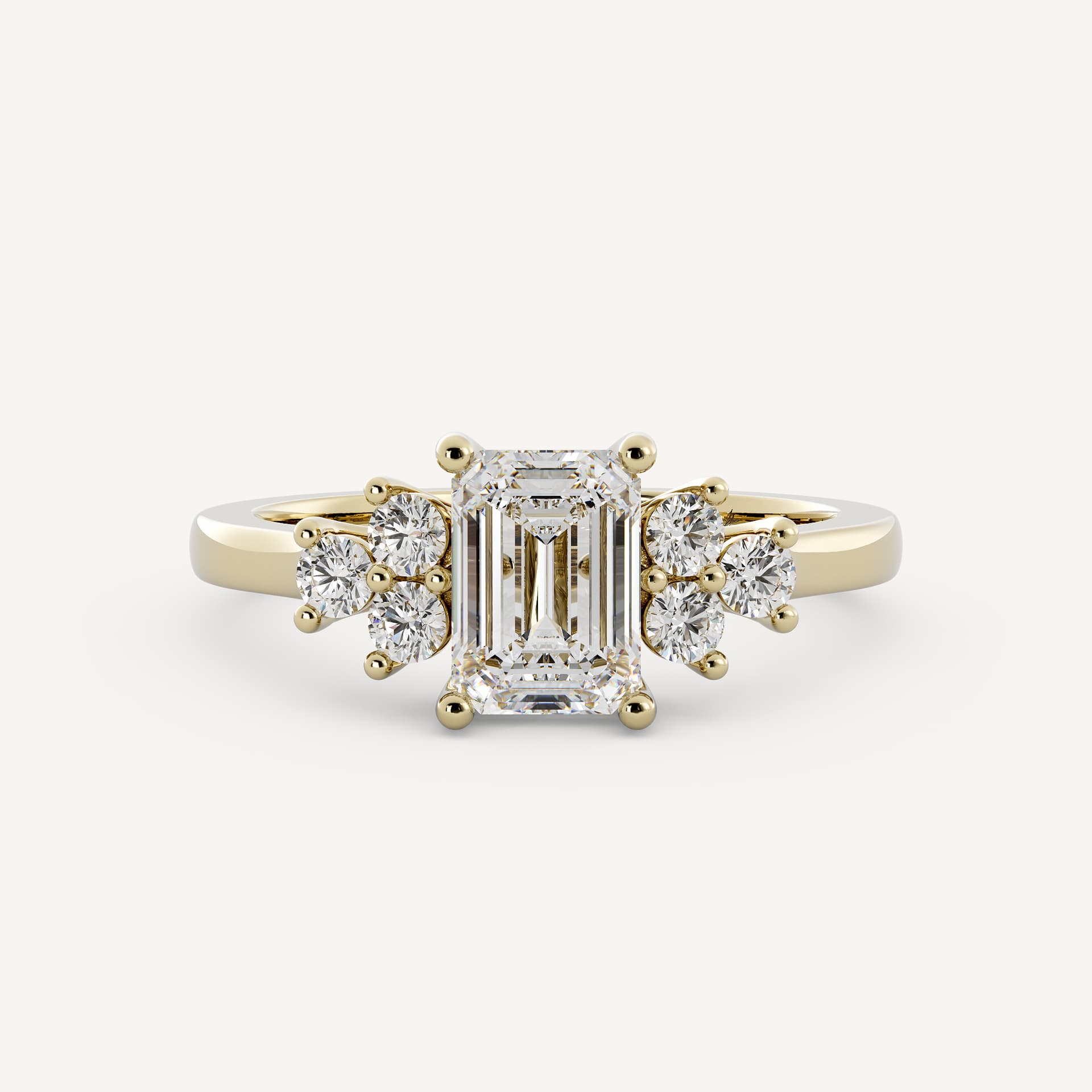
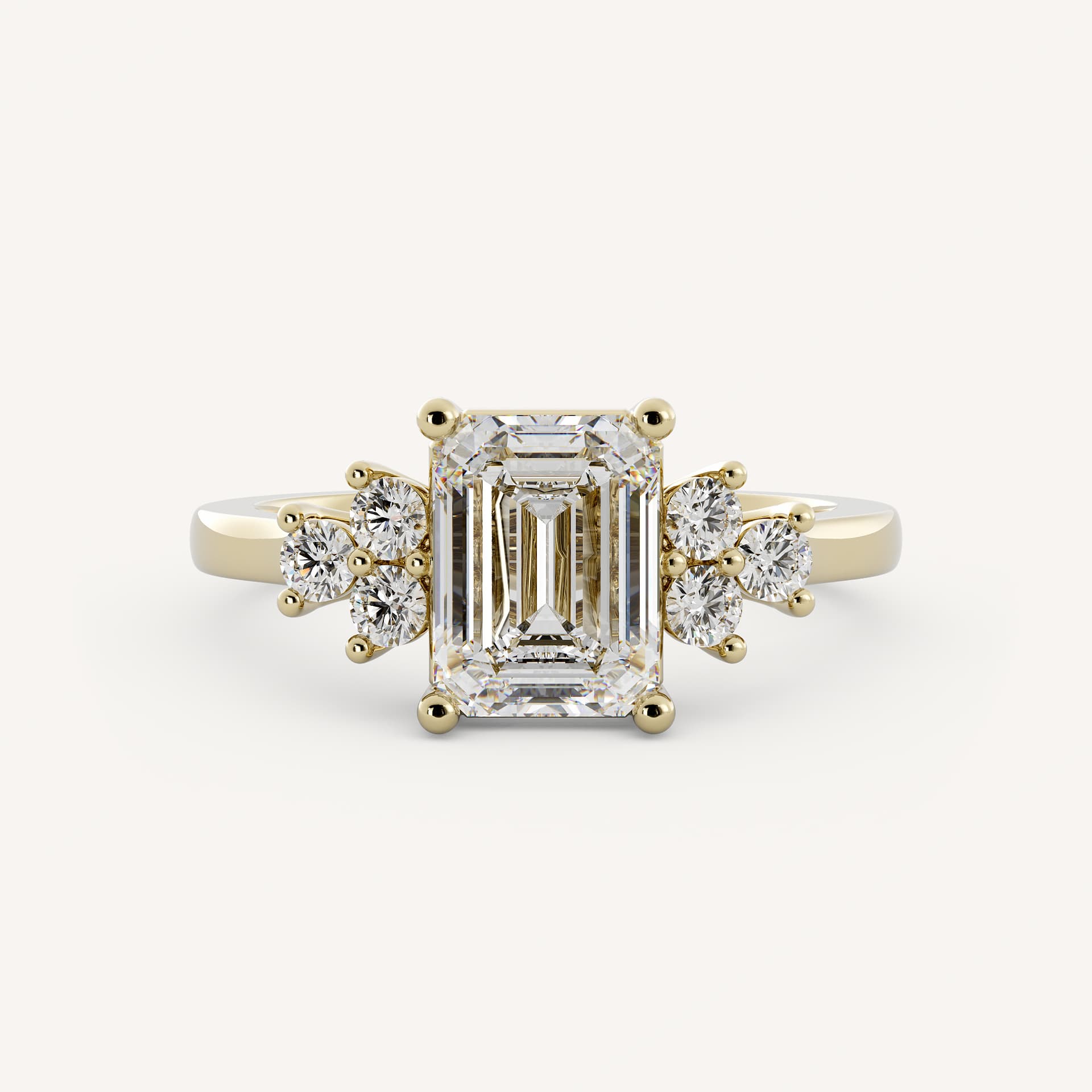
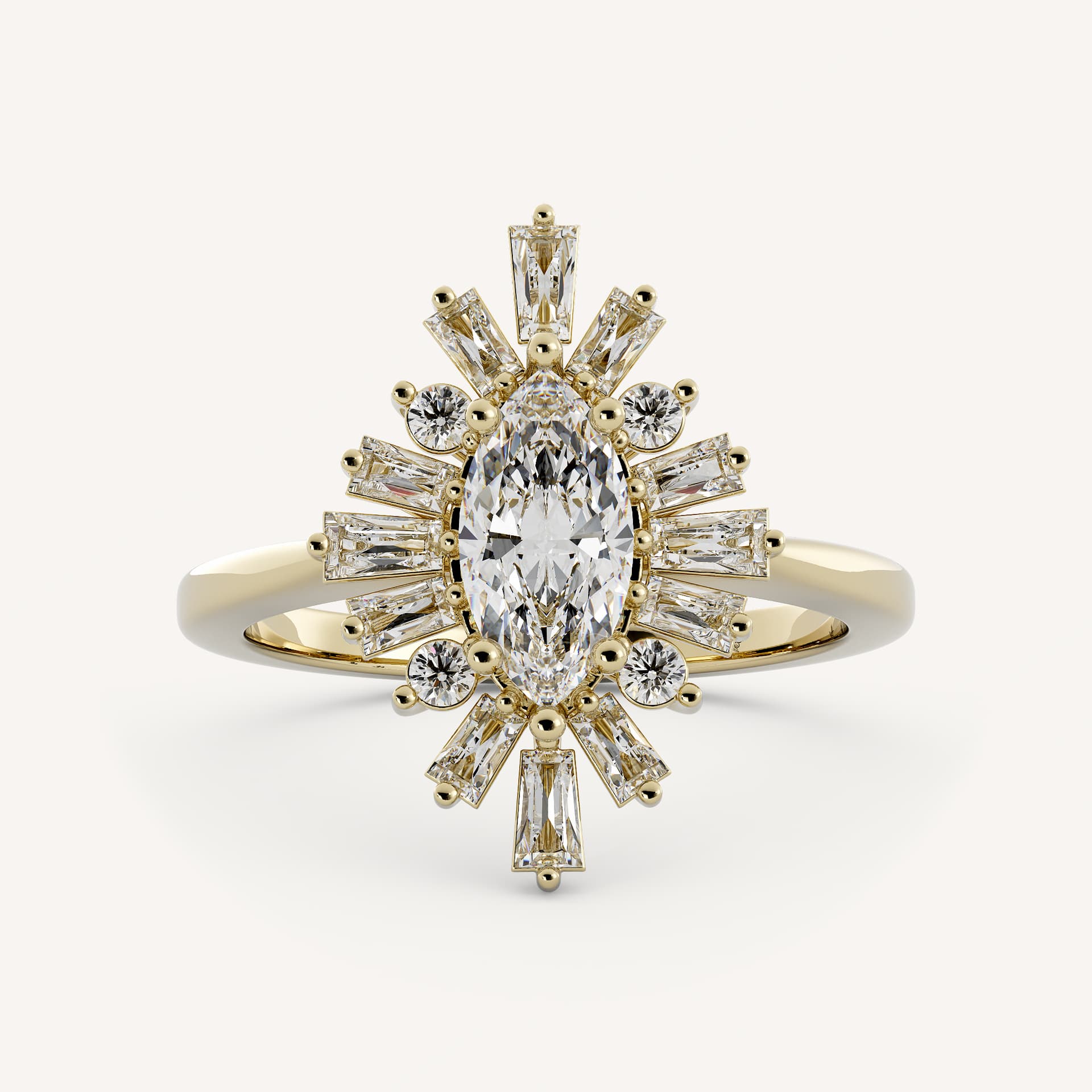
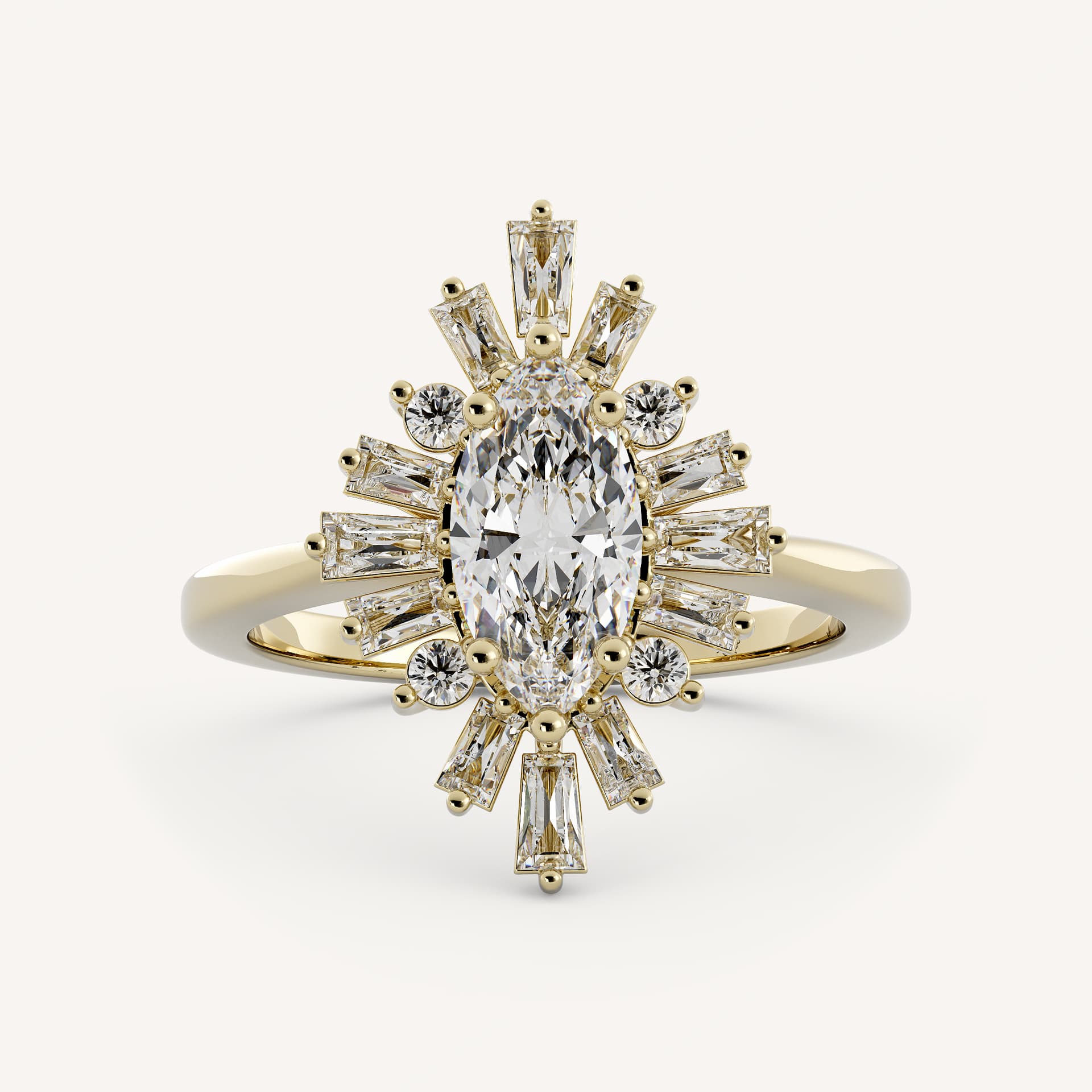
Both methods create diamonds that are chemically, structurally and optically identical to mined diamonds. They're just as durable, too.
Are Lab Diamonds as Strong as Natural Diamonds?
Yes. Lab-grown diamonds rank 10 on the Mohs hardness scale, the highest possible rating. They resist scratching just as well as mined diamonds and hold up to everyday wear.
A lab-grown diamond, like any Olive Ave piece, is made to last a lifetime with proper care.

Certified and Graded Like Natural Diamonds
Lab-grown diamonds can be certified by IGI or GCAL and are graded using the same Four Cs as natural diamonds: cut, color, clarity and carat weight.
At Olive Ave, we recommend F color or above and VS2 clarity or above for a bright, crisp look that catches the light and photographs well.
Do Lab-Grown Diamonds All Look the Same?
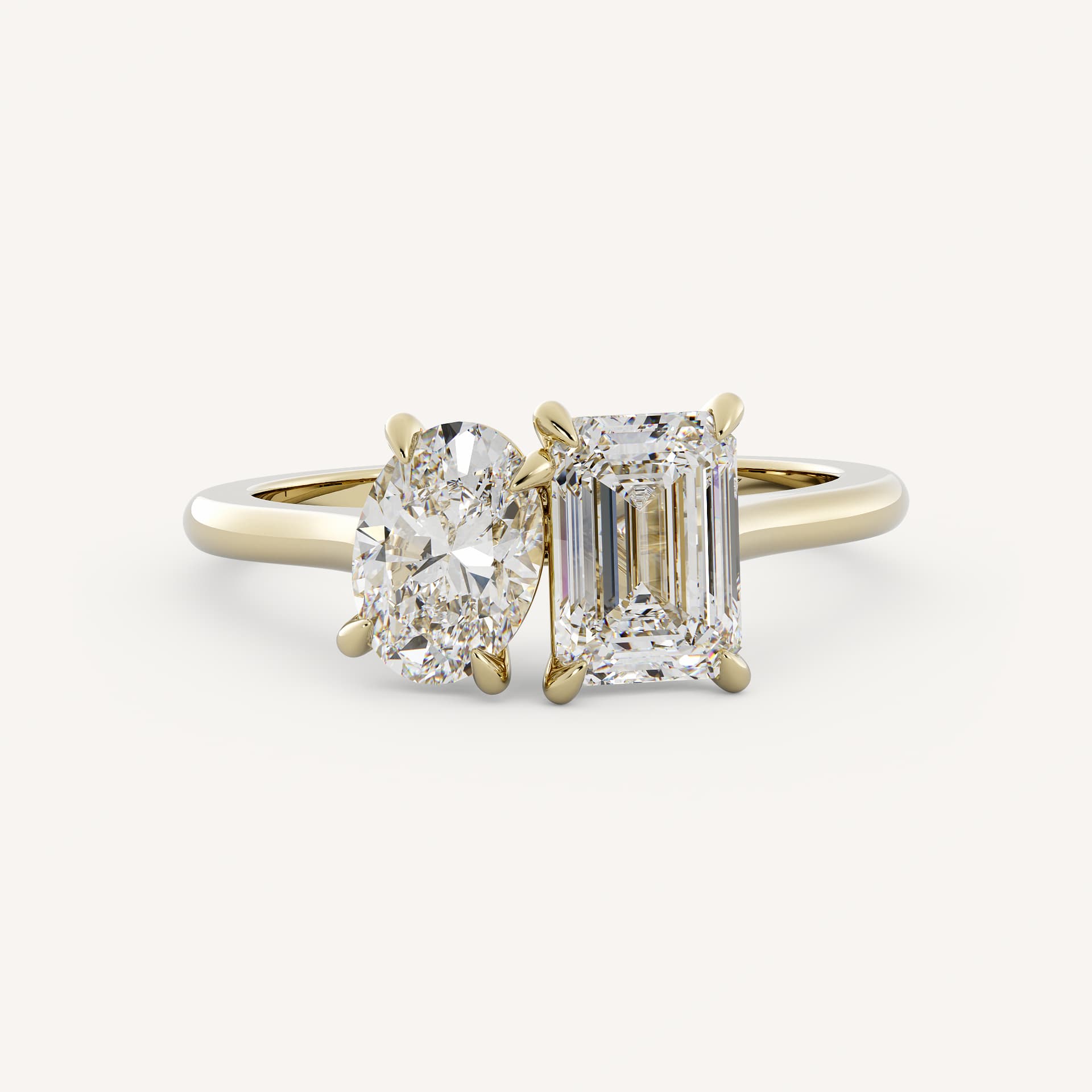
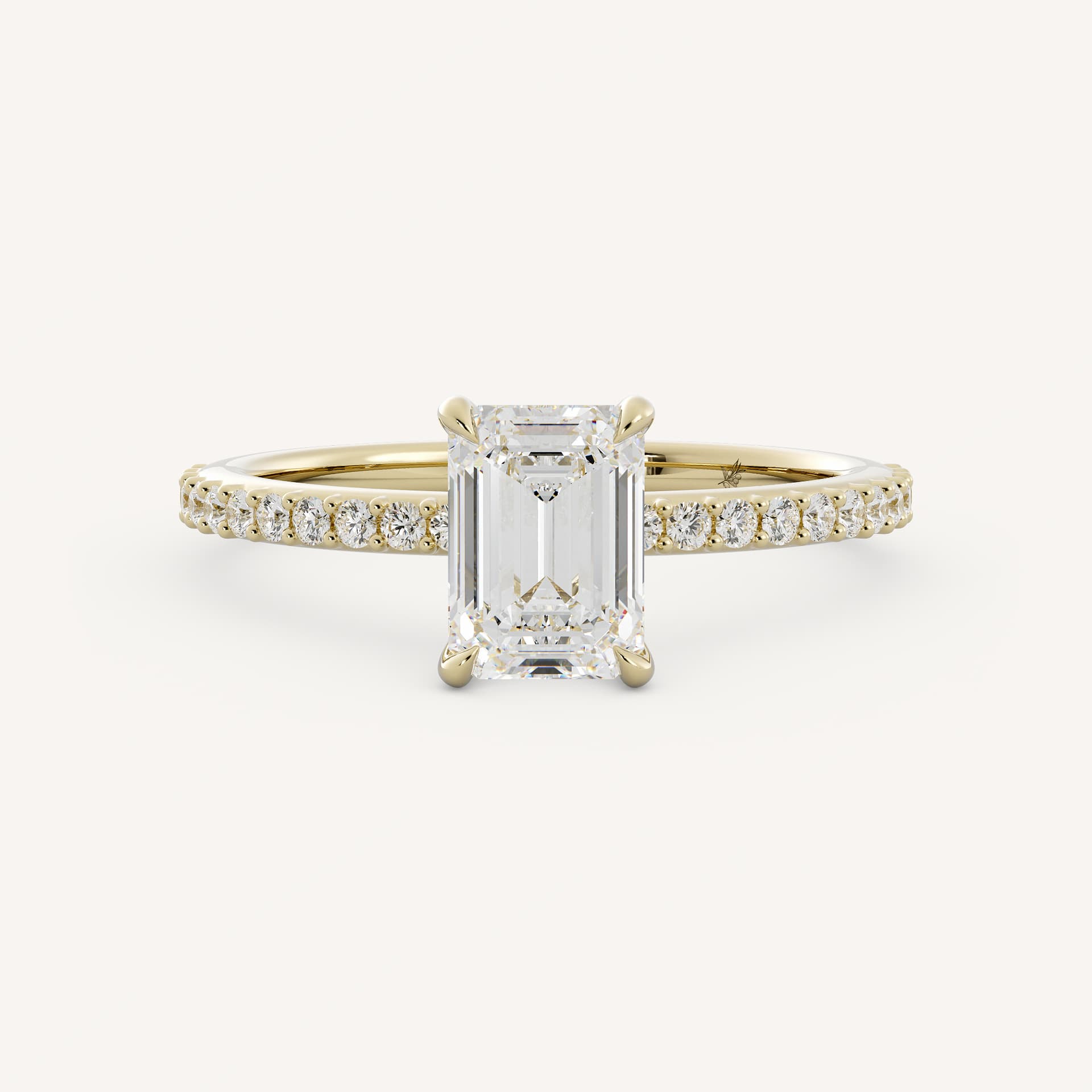
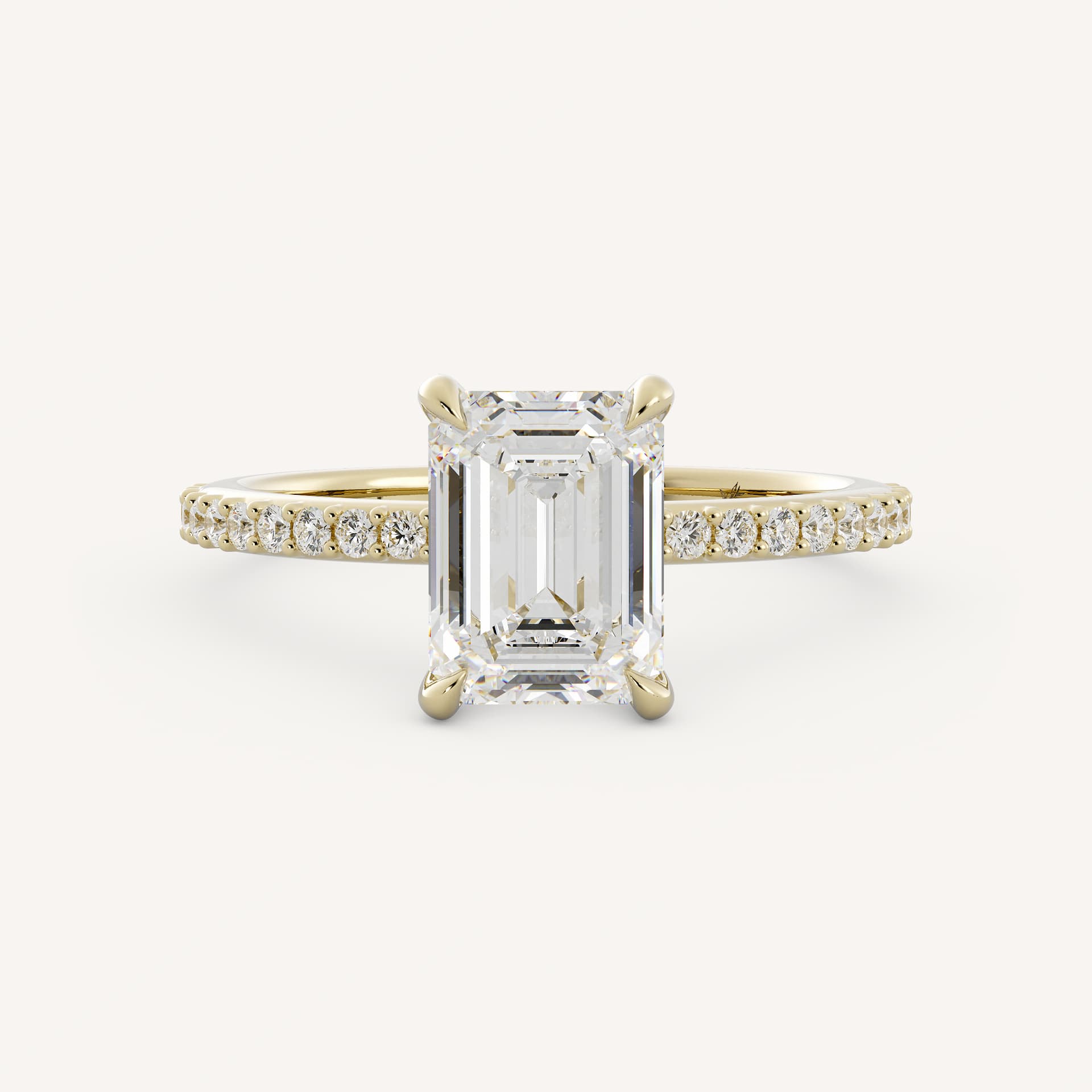
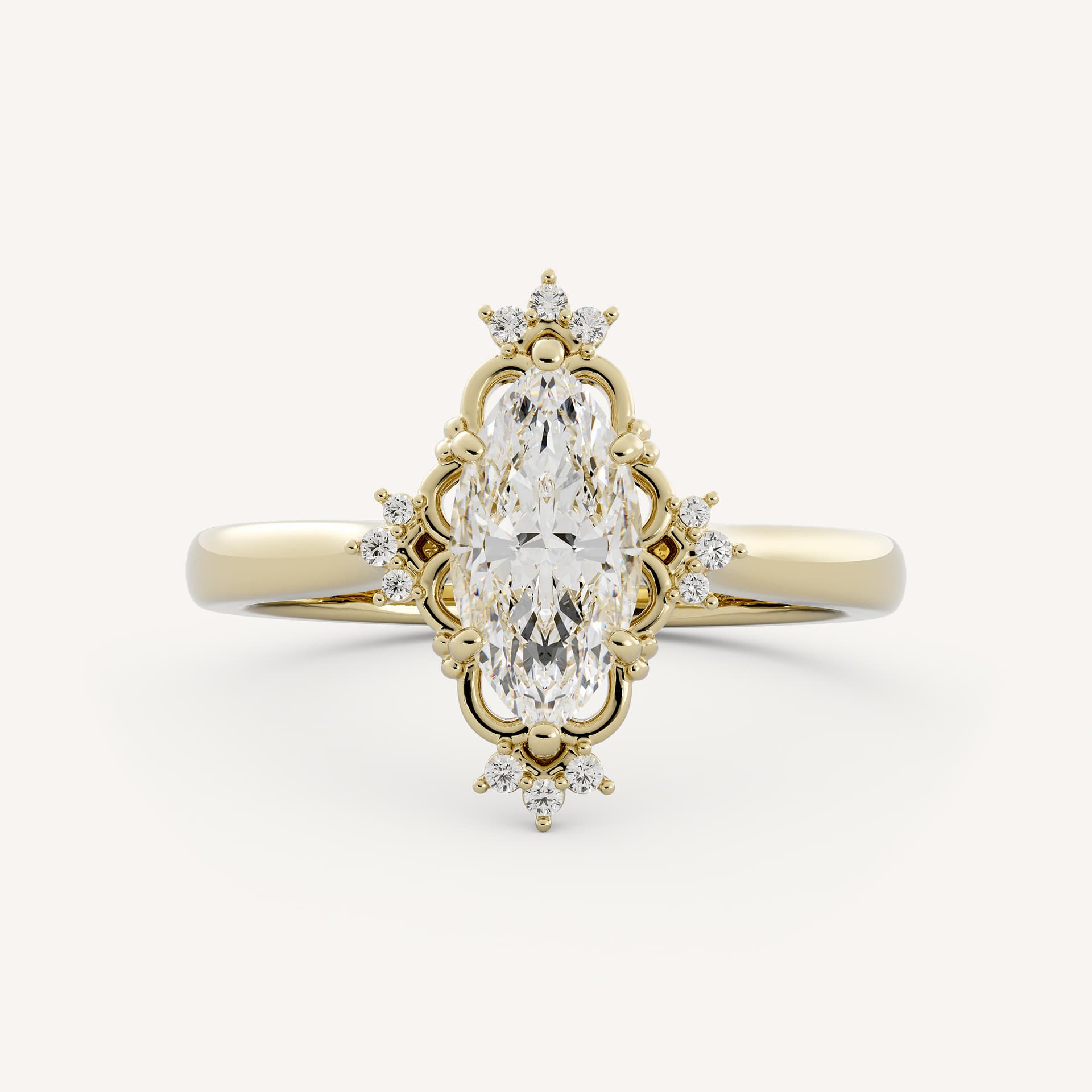
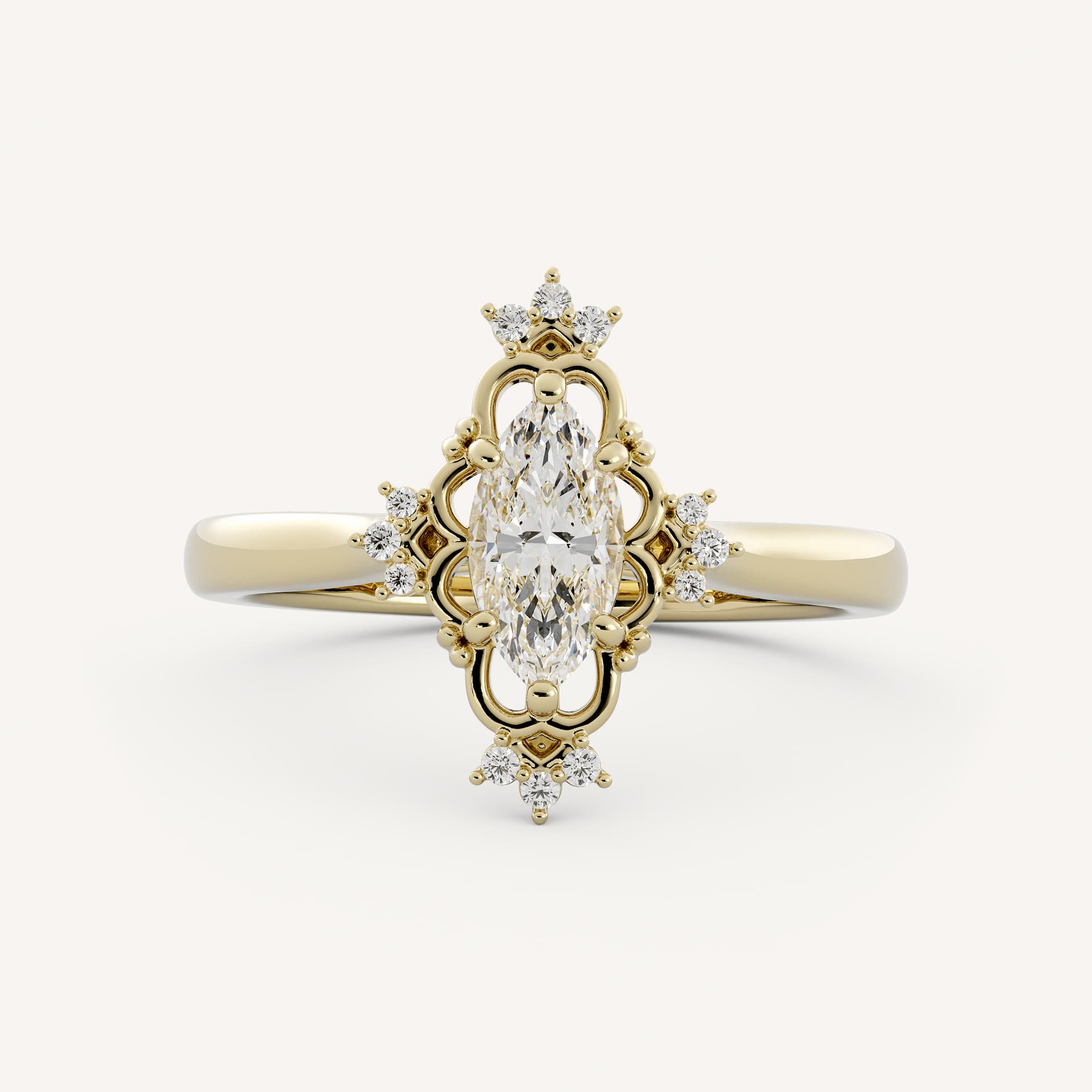
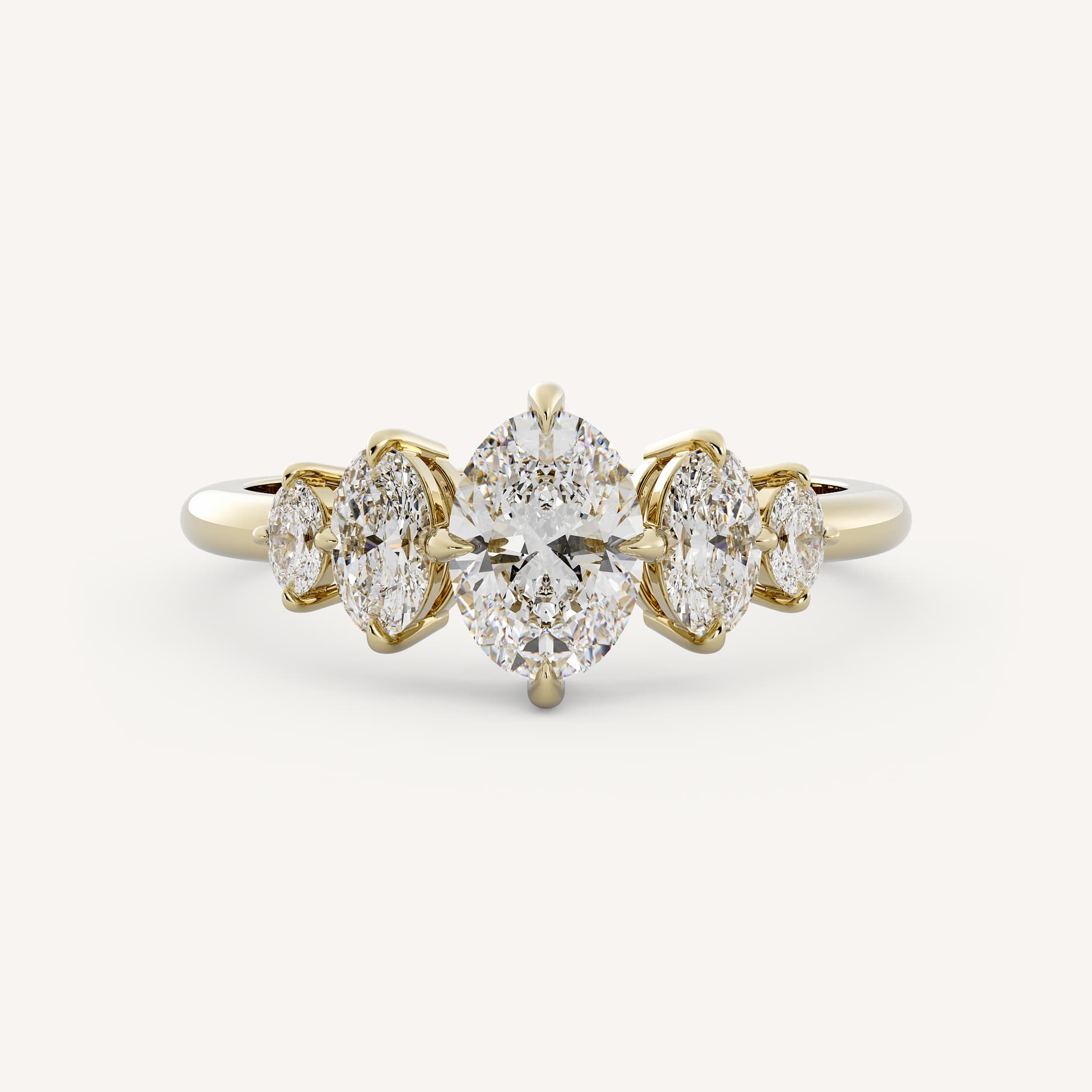
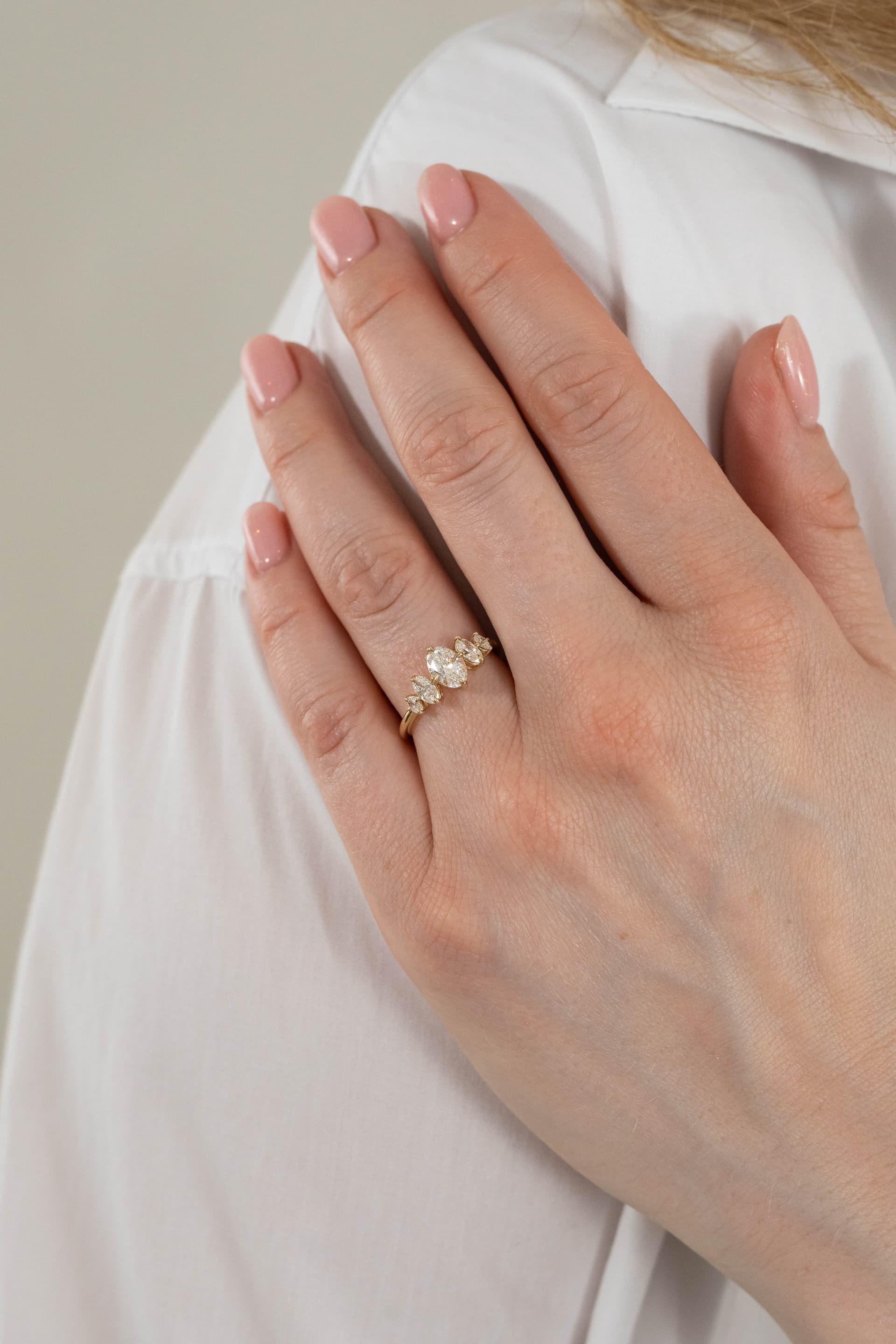
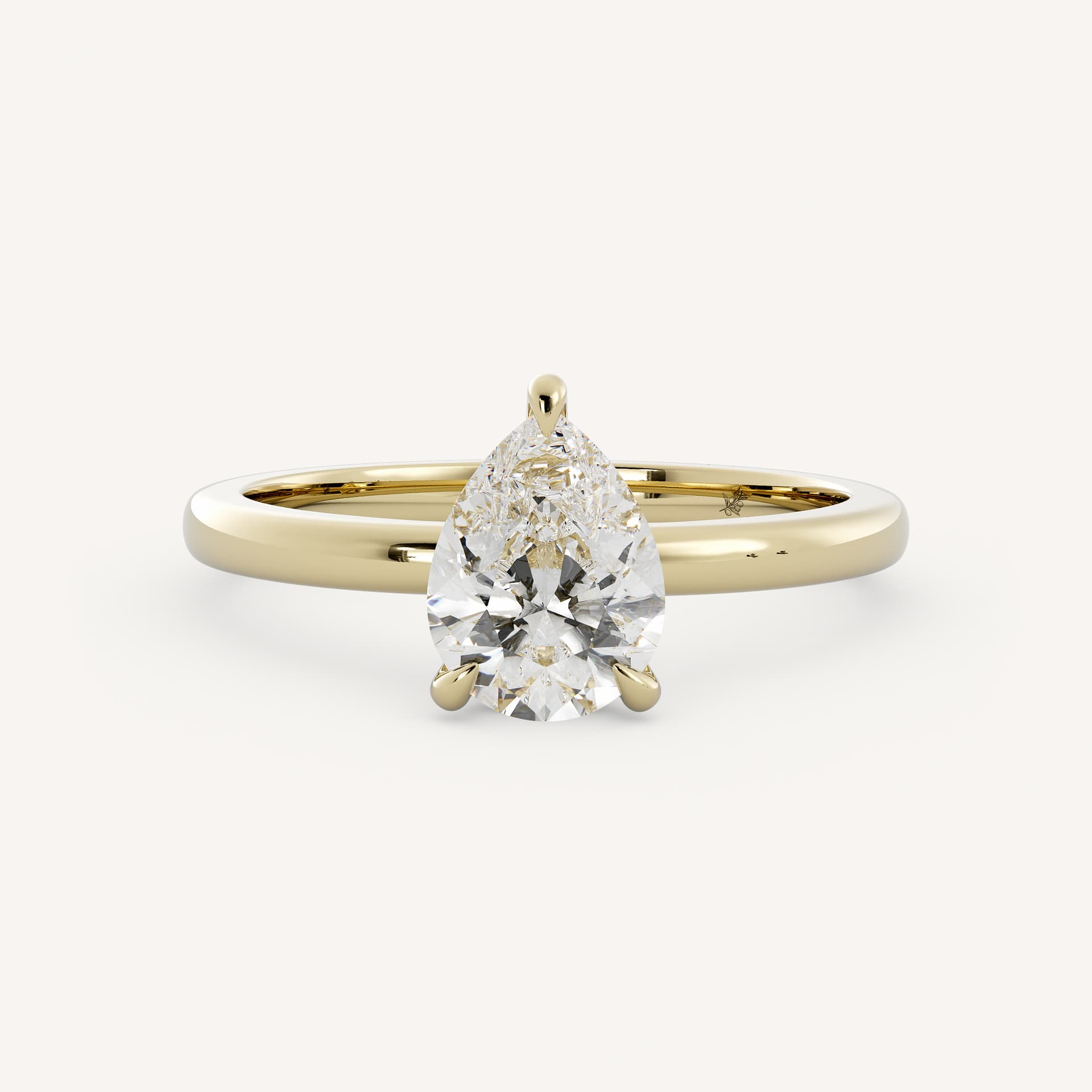
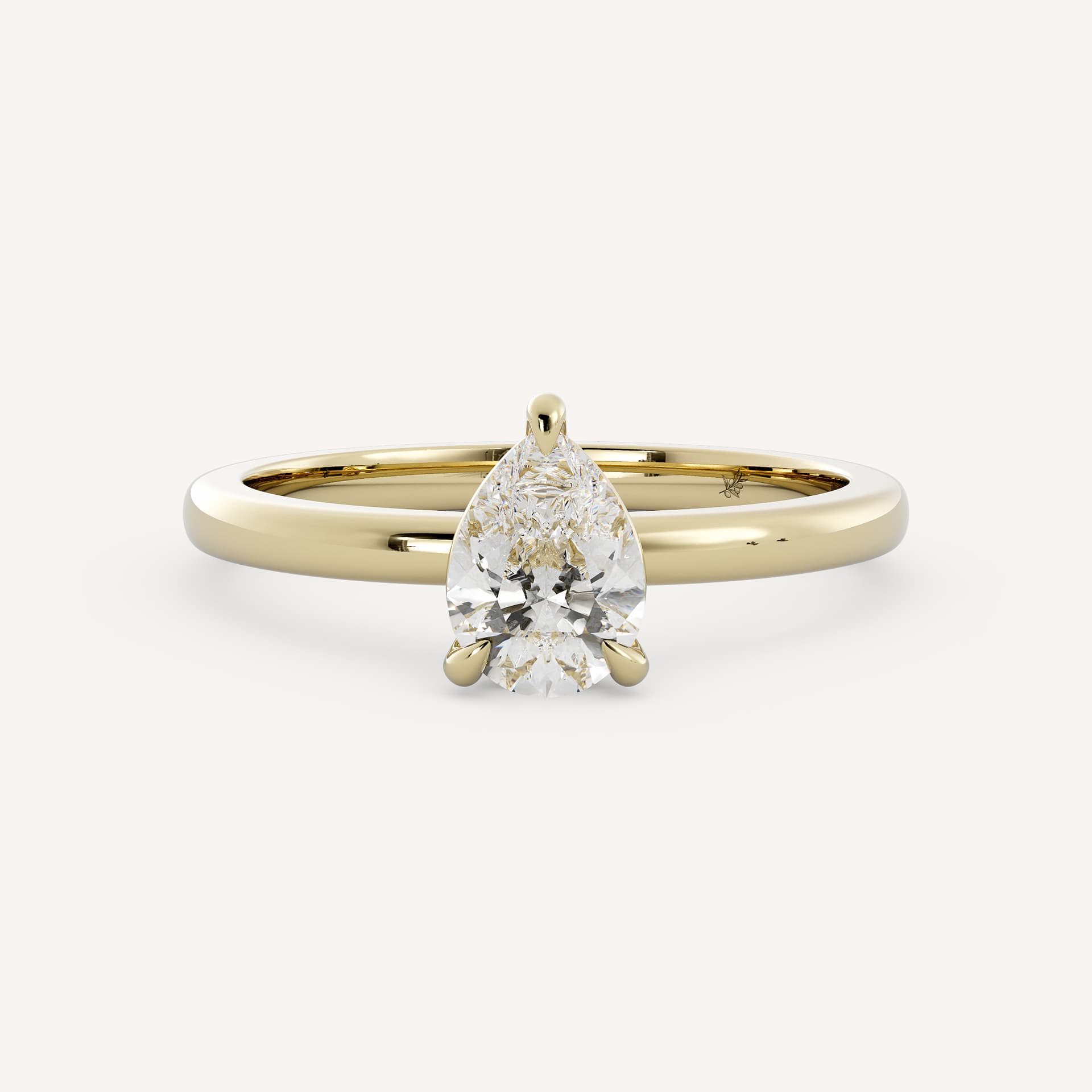
No. Like mined diamonds, every lab-grown diamond has its own characteristics. Inclusions, proportions and other natural variations give each stone its own appearance, so you can still choose one that feels right for you.
Can You Tell the Difference Between Lab and Natural Diamonds?
Not without specialized equipment.
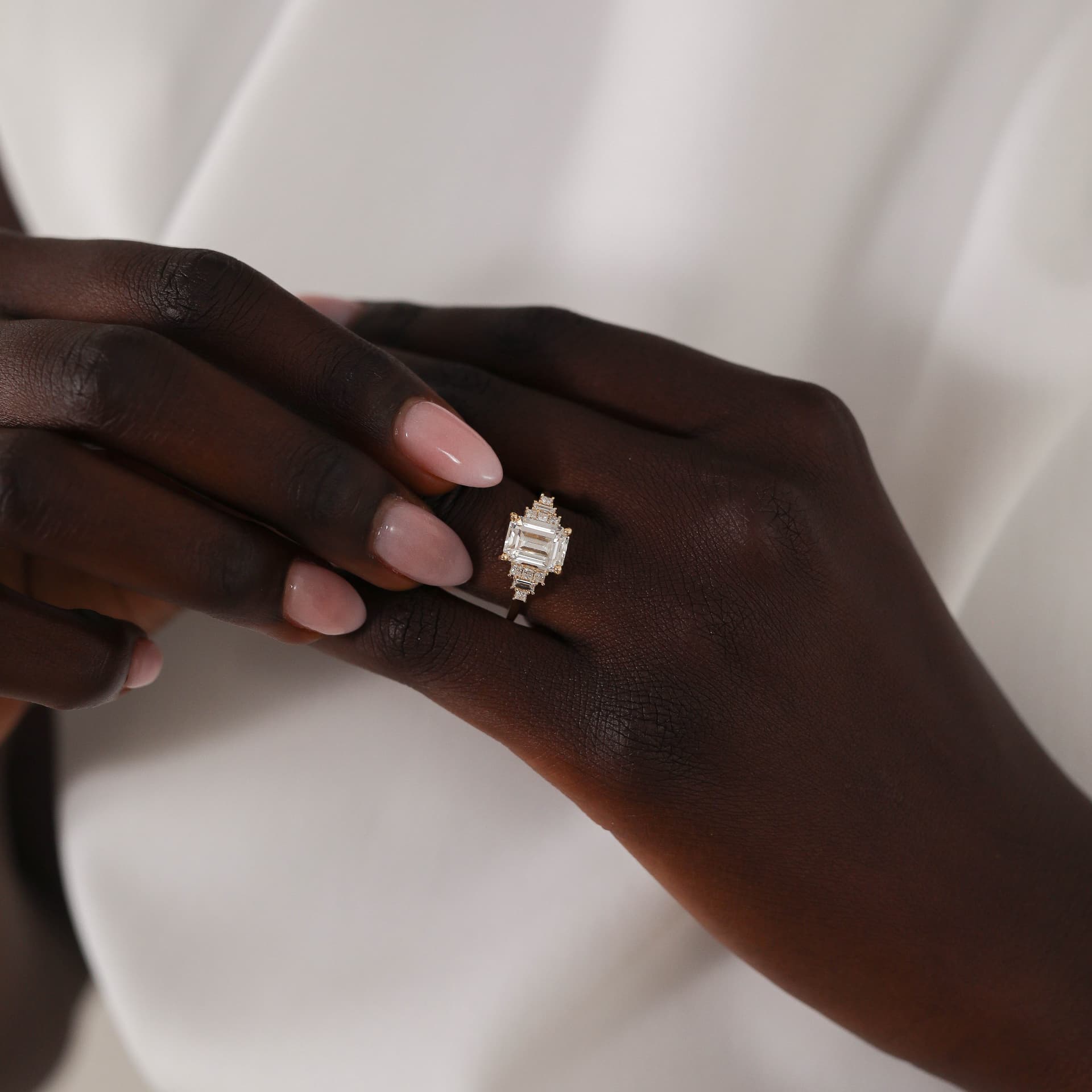
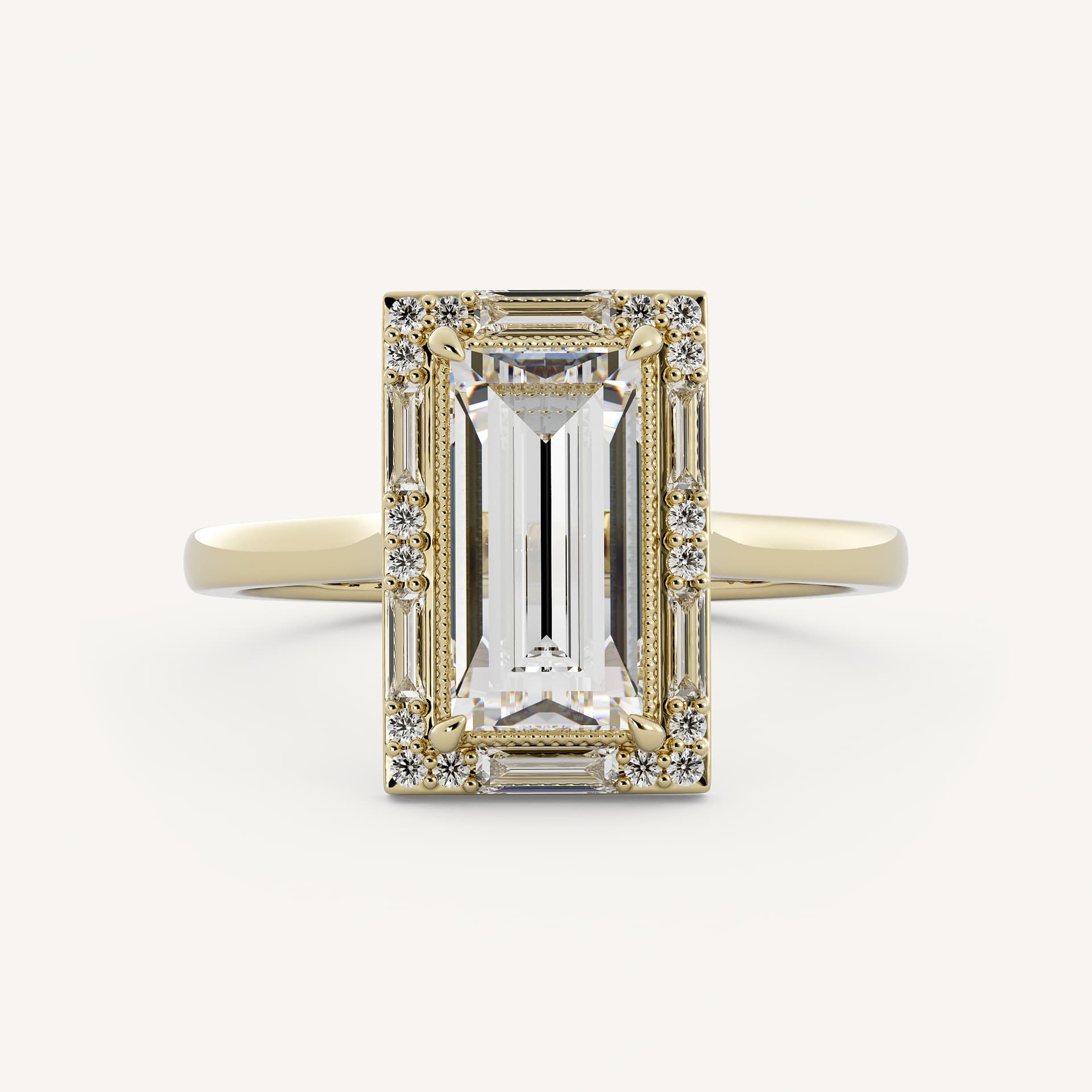
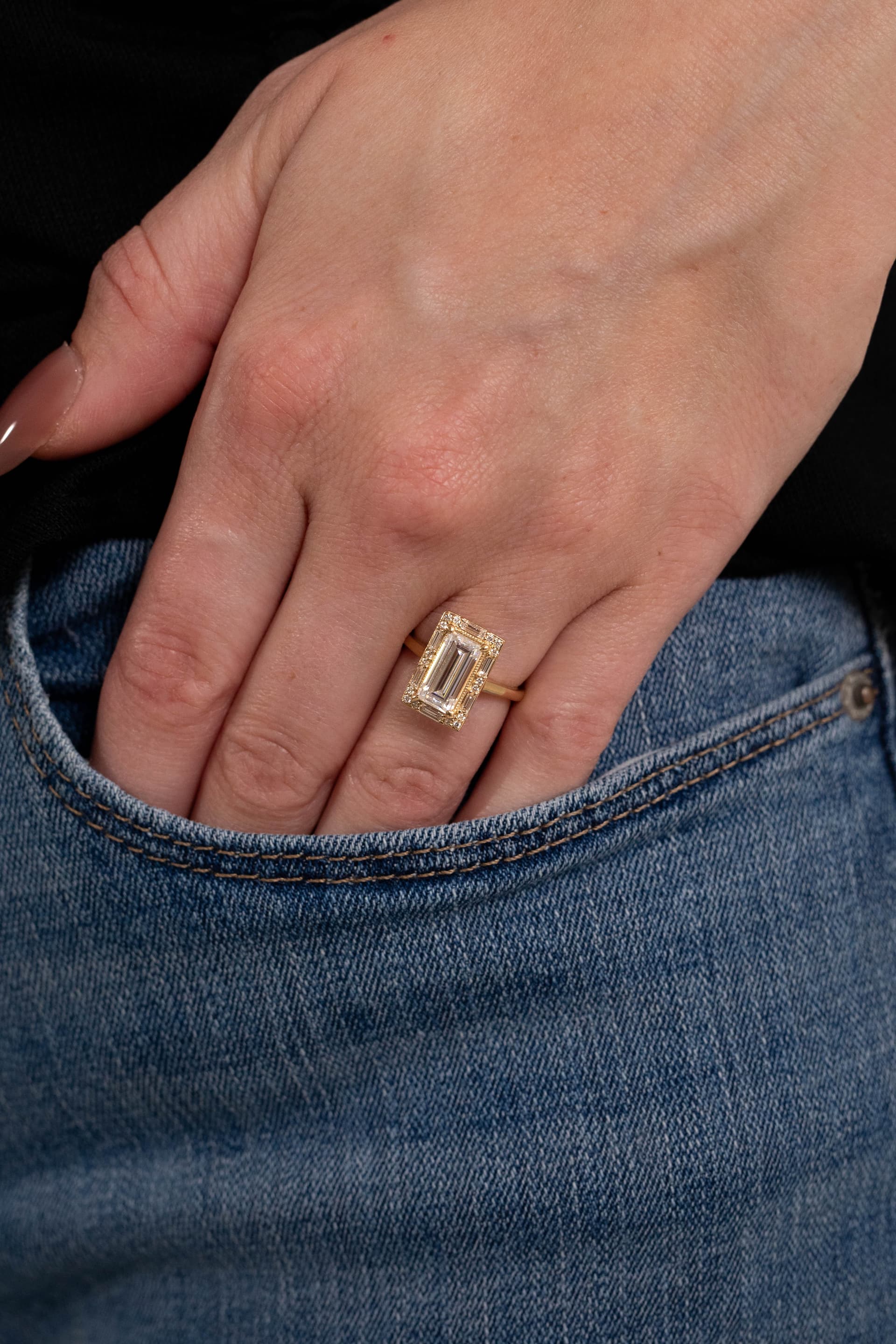
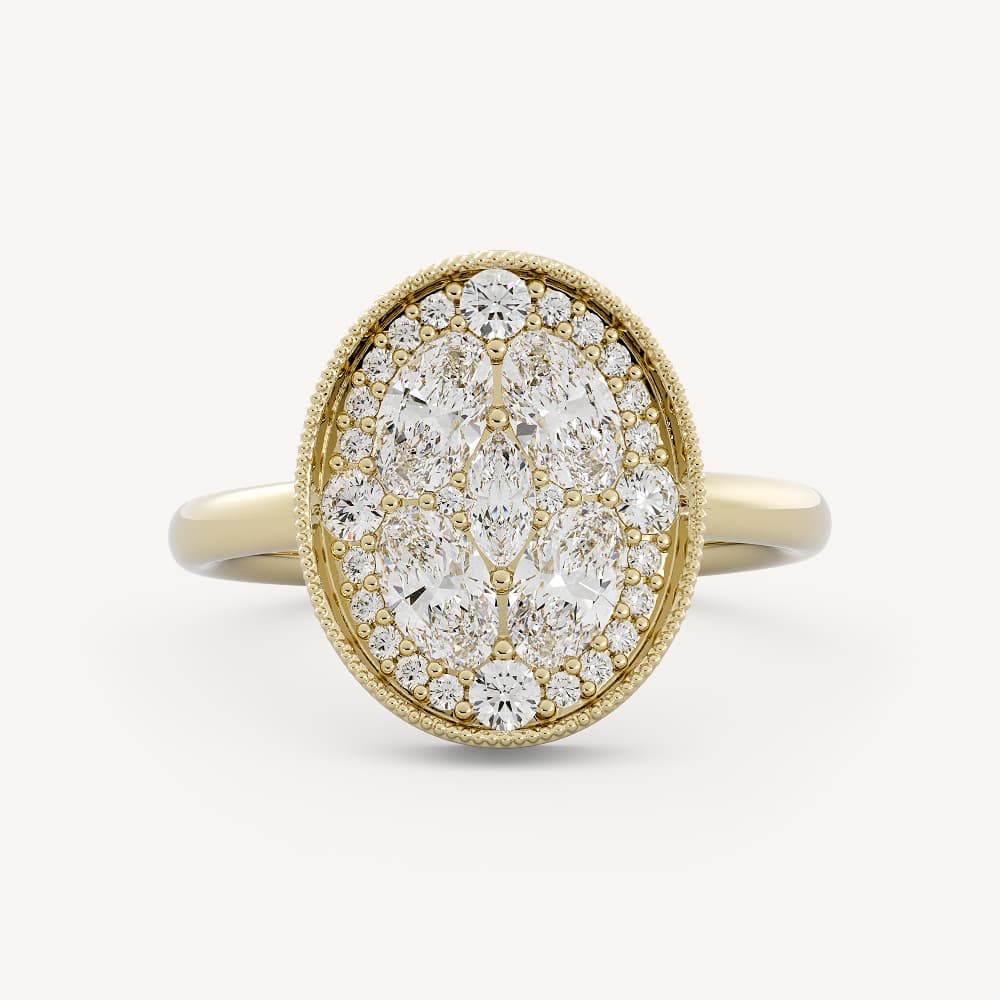
To the naked eye, and even under a jeweler's loupe, lab-grown and natural diamonds look the same. Lab diamonds may contain trace elements or gases left behind during the growing process, but those characteristics don't affect their appearance, durability or performance.
Visually, they're indistinguishable.