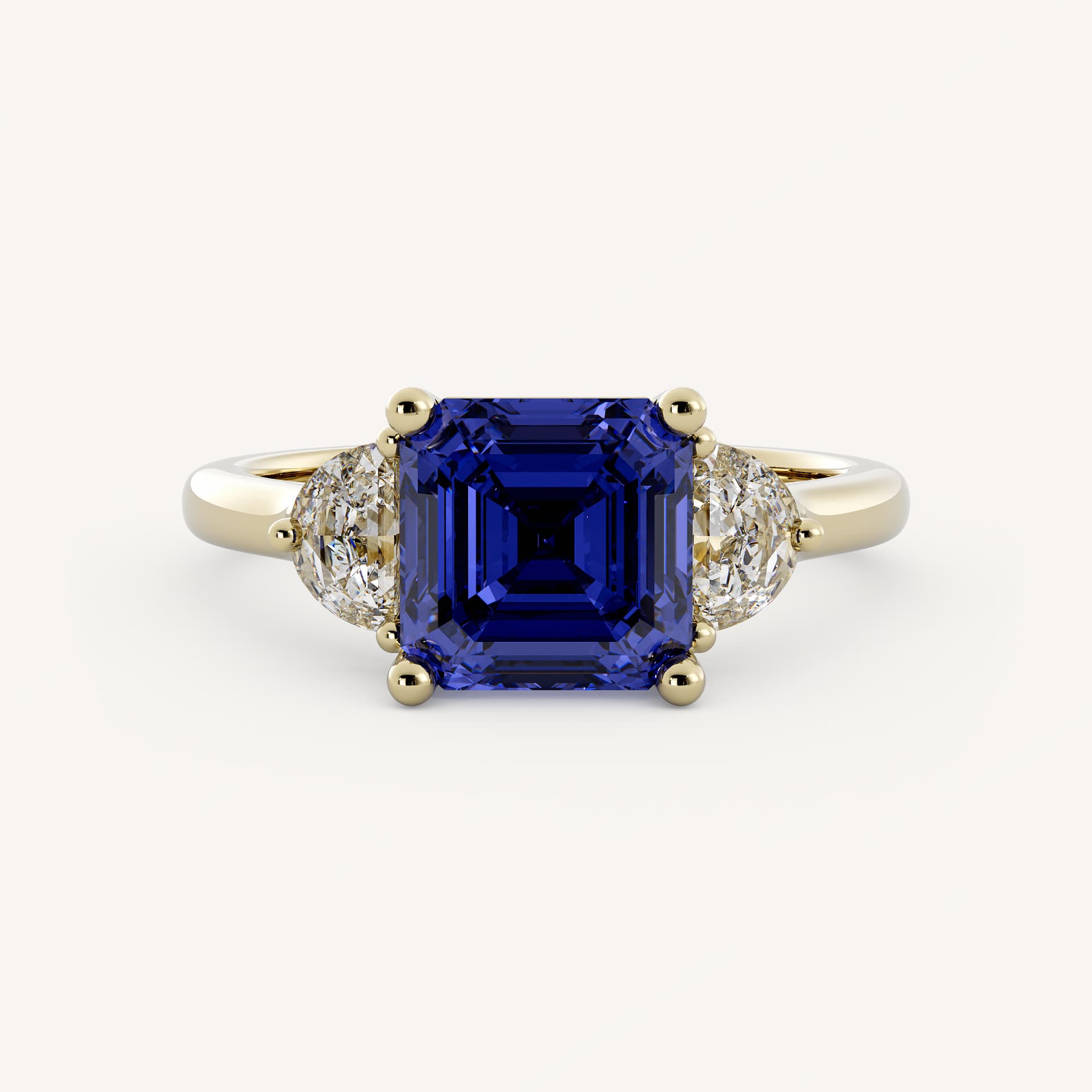
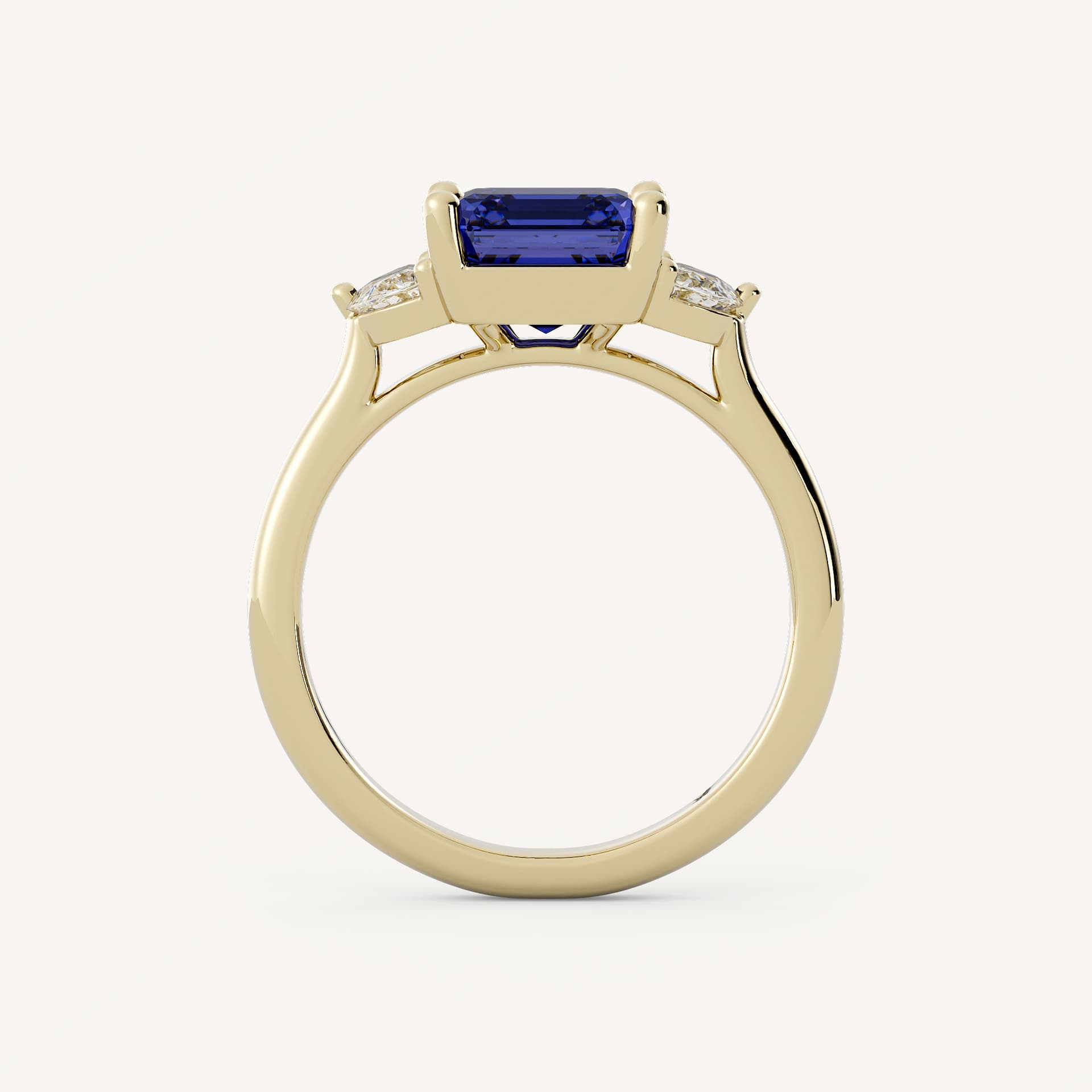
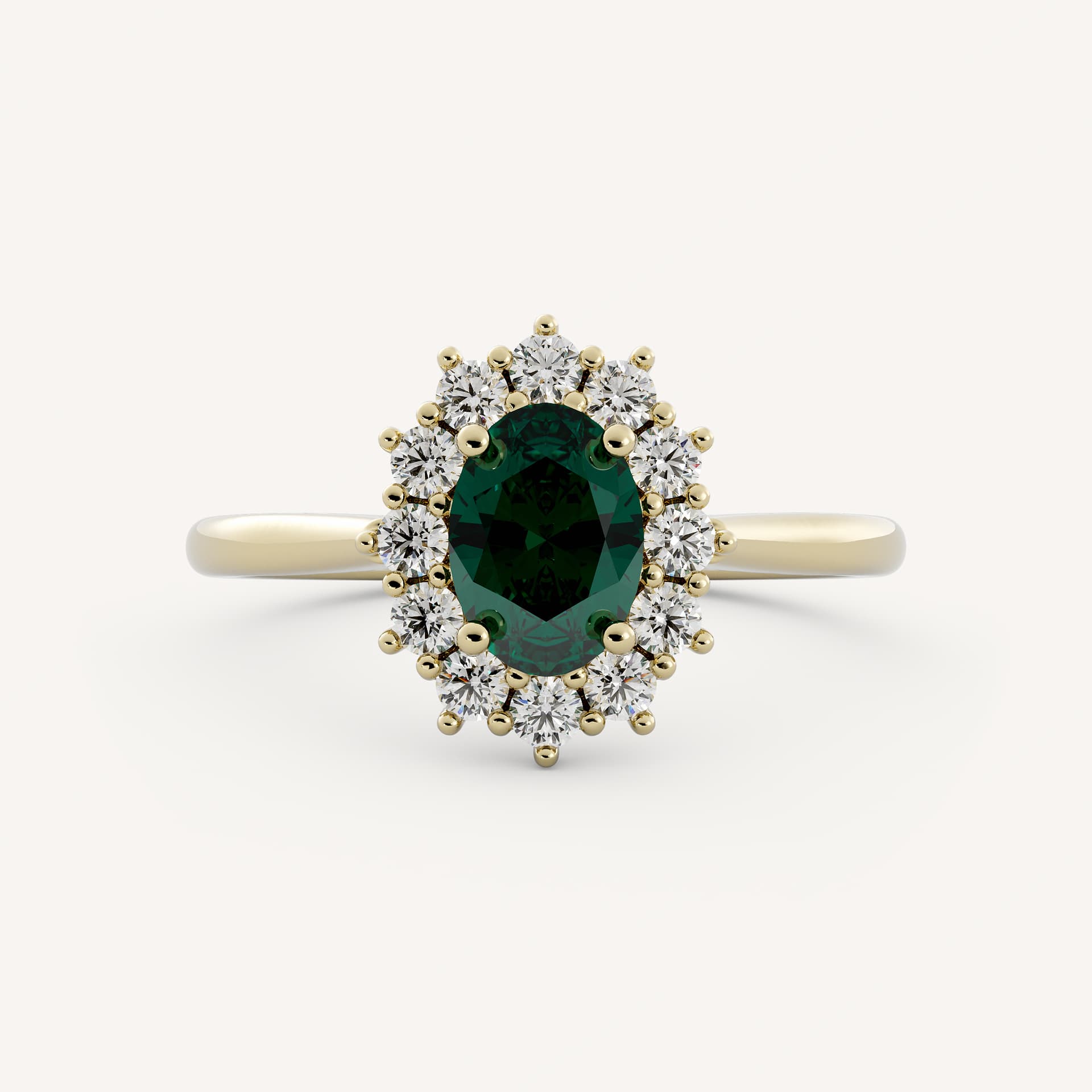
Product Education
What Is Moissanite?
Moissanite was born from a meteorite, and it might be the most brilliant gemstone on Earth. Here's everything you need to know before you buy.
What Is Moissanite, Really?
Moissanite is its own gemstone. People often compare it to a diamond or describe it as a diamond alternative, but moissanite is a completely different mineral: silicon carbide. It has its own chemistry, crystal structure and way of reflecting light.
In 1893, French scientist Henri Moissan was studying a meteorite impact crater in Canyon Diablo, Arizona, the same state where Olive Ave was founded, when he discovered crystals unlike anything he had seen before. At first, he believed they were diamonds.
More than a decade later, further study revealed they were silicon carbide, an entirely different mineral. Natural moissanite is so rare that there isn't enough to cut into gemstones, which is why the stone remained a scientific curiosity until researchers learned how to grow it in a lab.
Today, all moissanite used in jewelry is lab-grown. It requires no mining, has no conflict sourcing concerns and offers complete transparency from creation to finished stone.
Is moissanite a real gemstone?
Yes. Moissanite is a genuine gemstone with a GIA-recognized classification and decades of use in fine jewelry.
It isn't cubic zirconia. CZ is softer, less brilliant and more likely to become cloudy over time. Moissanite behaves differently. Its optical properties and durability make it a gemstone in its own right, not an imitation of something else.
What makes moissanite sparkle the way it does?
Every gemstone has a refractive index, which measures how much it bends light. A diamond measures 2.42. Moissanite falls between 2.65 and 2.69, creating stronger internal light reflection and more visual depth.
Moissanite also has a higher dispersion than diamond, the property responsible for rainbow flashes of light. Diamond measures 0.044, while moissanite reaches 0.104, more than twice as much.
In simple terms, moissanite reflects more light than any other gemstone. Some people fall in love with that colorful sparkle immediately. Others prefer the white-light brilliance of a diamond. Neither is better. It's simply a matter of personal preference.
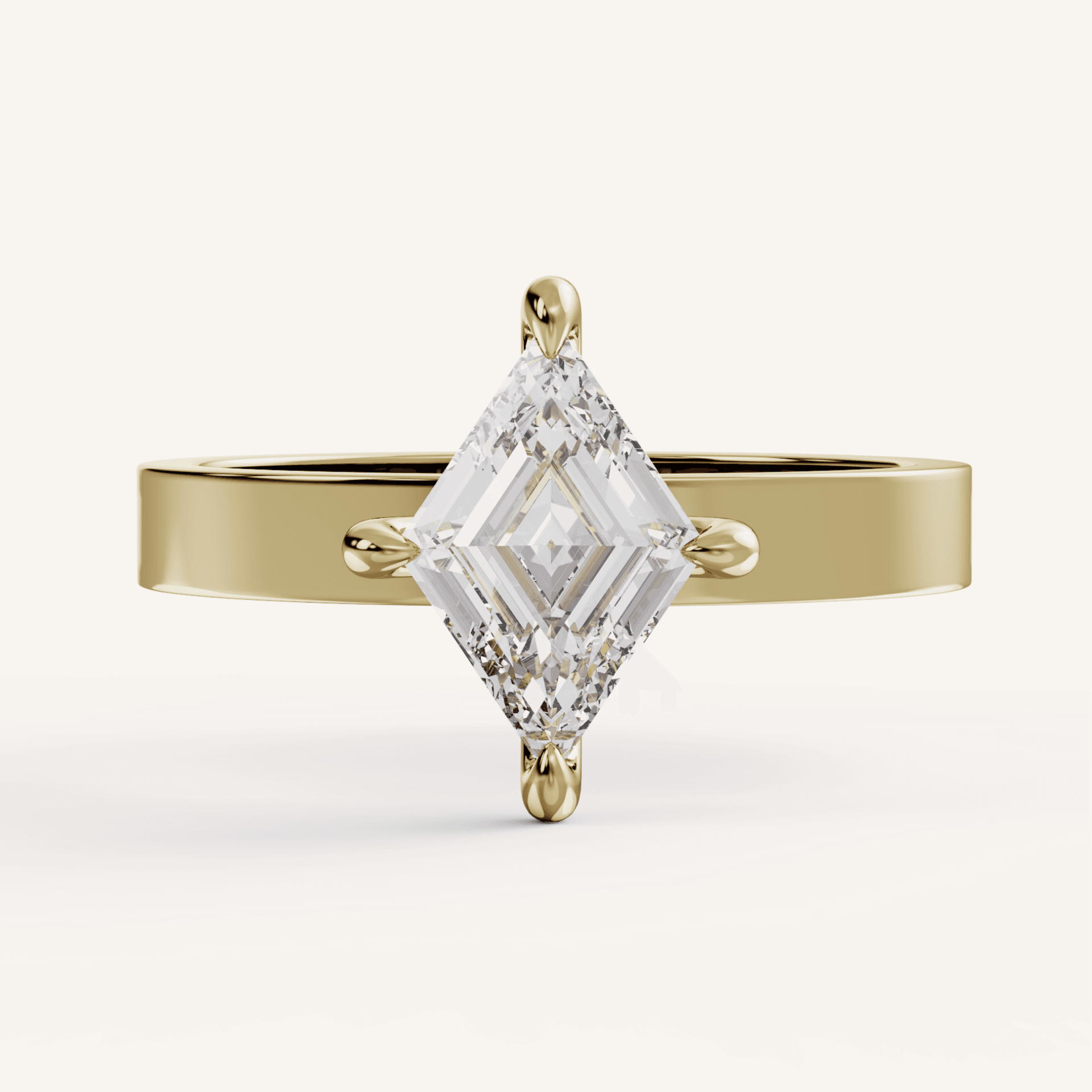
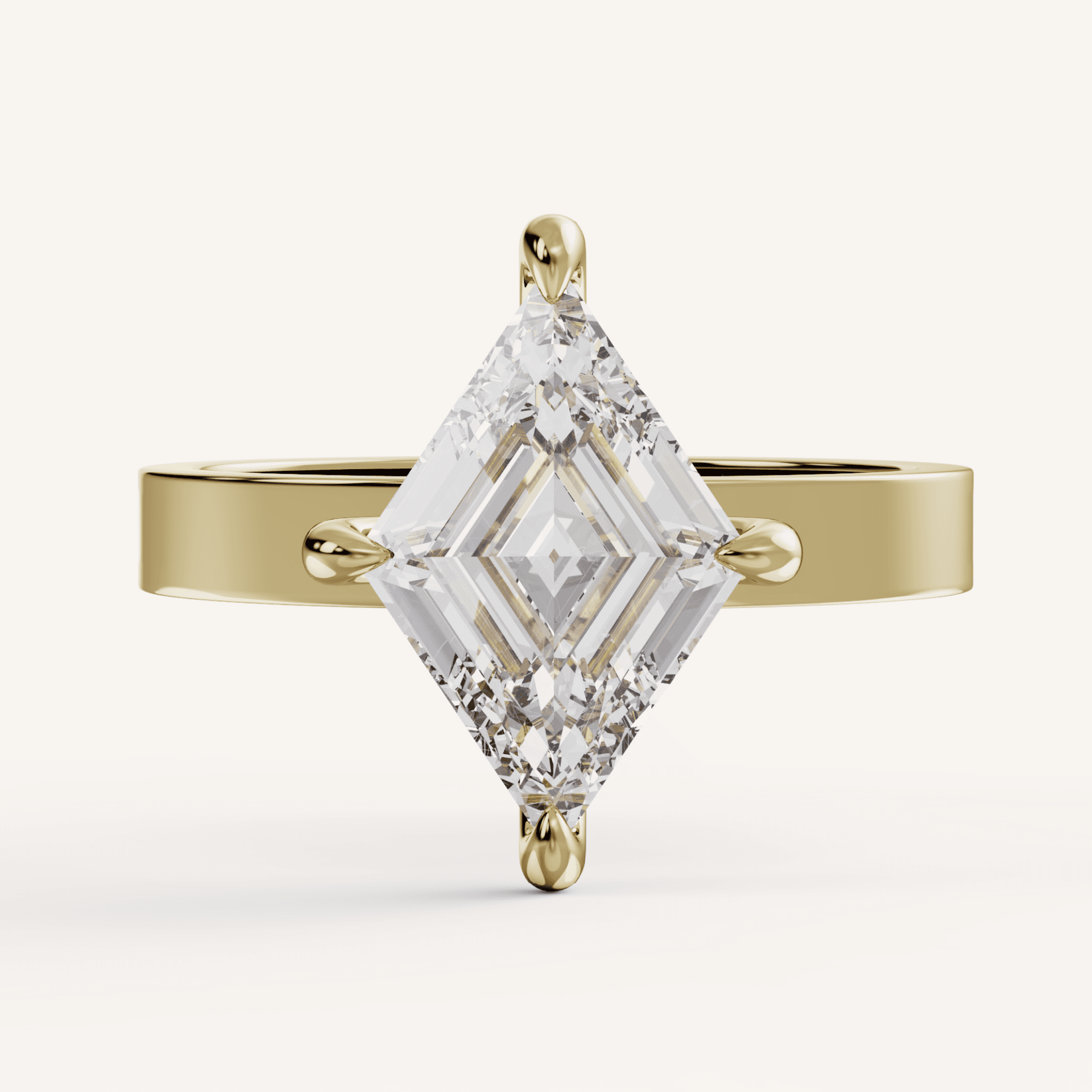
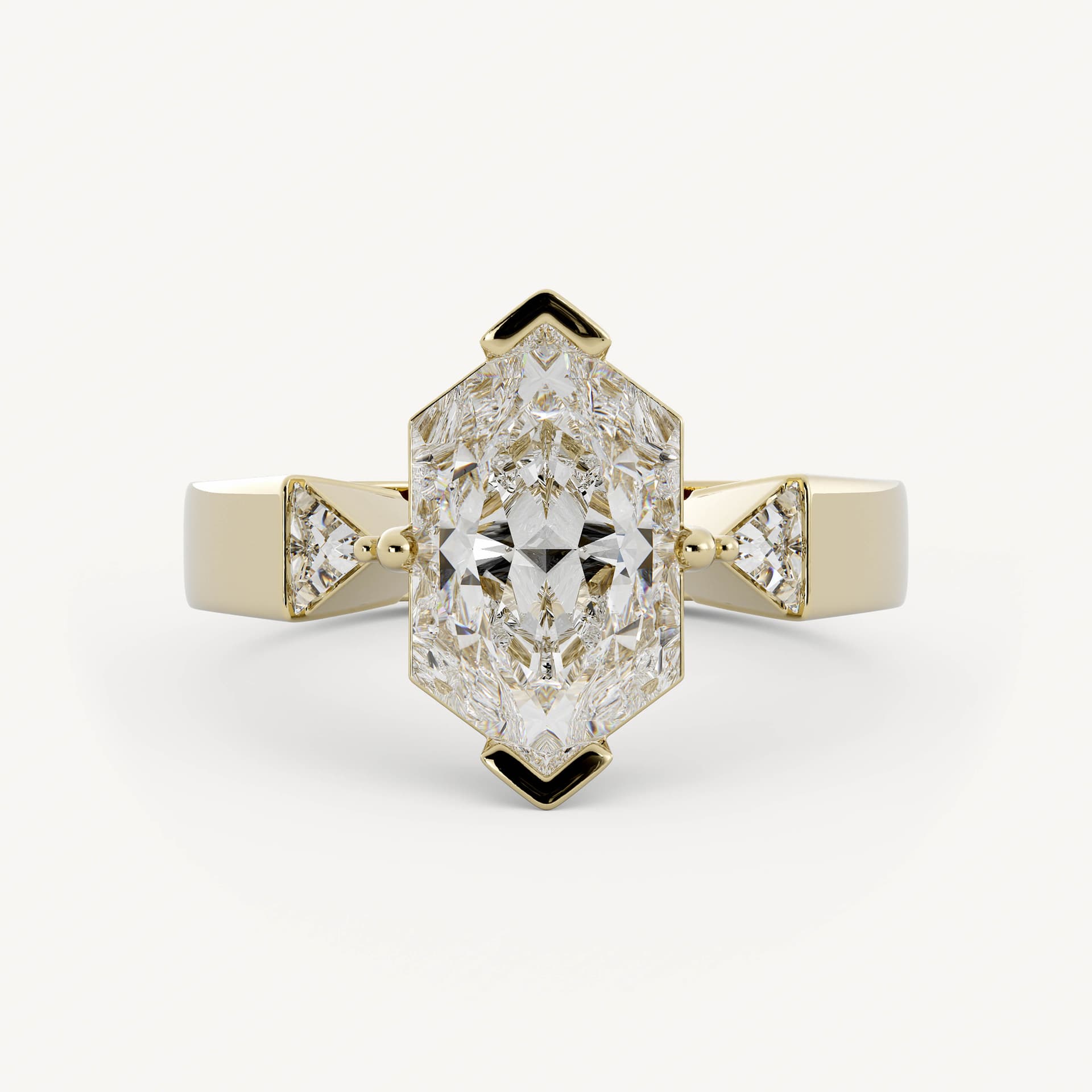
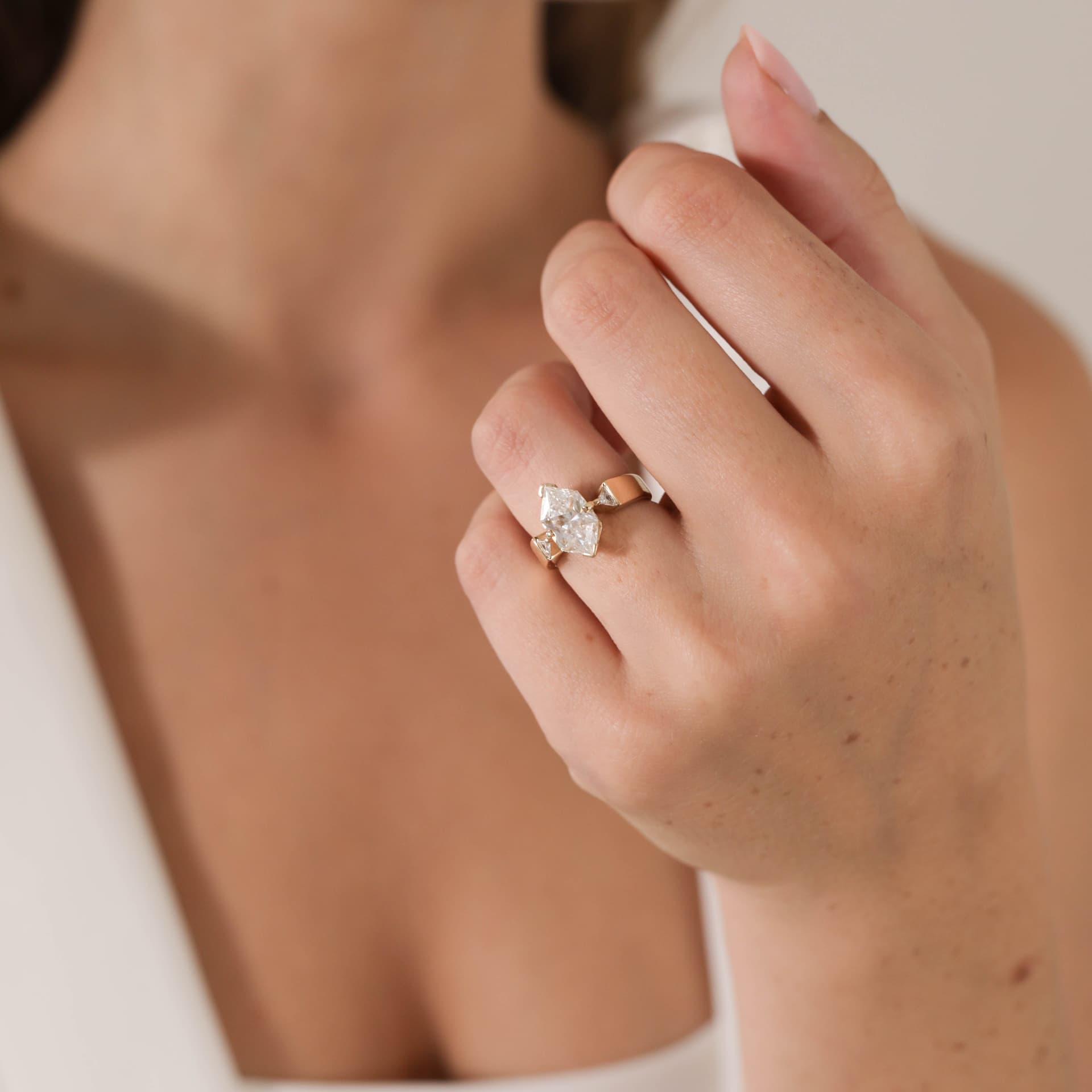
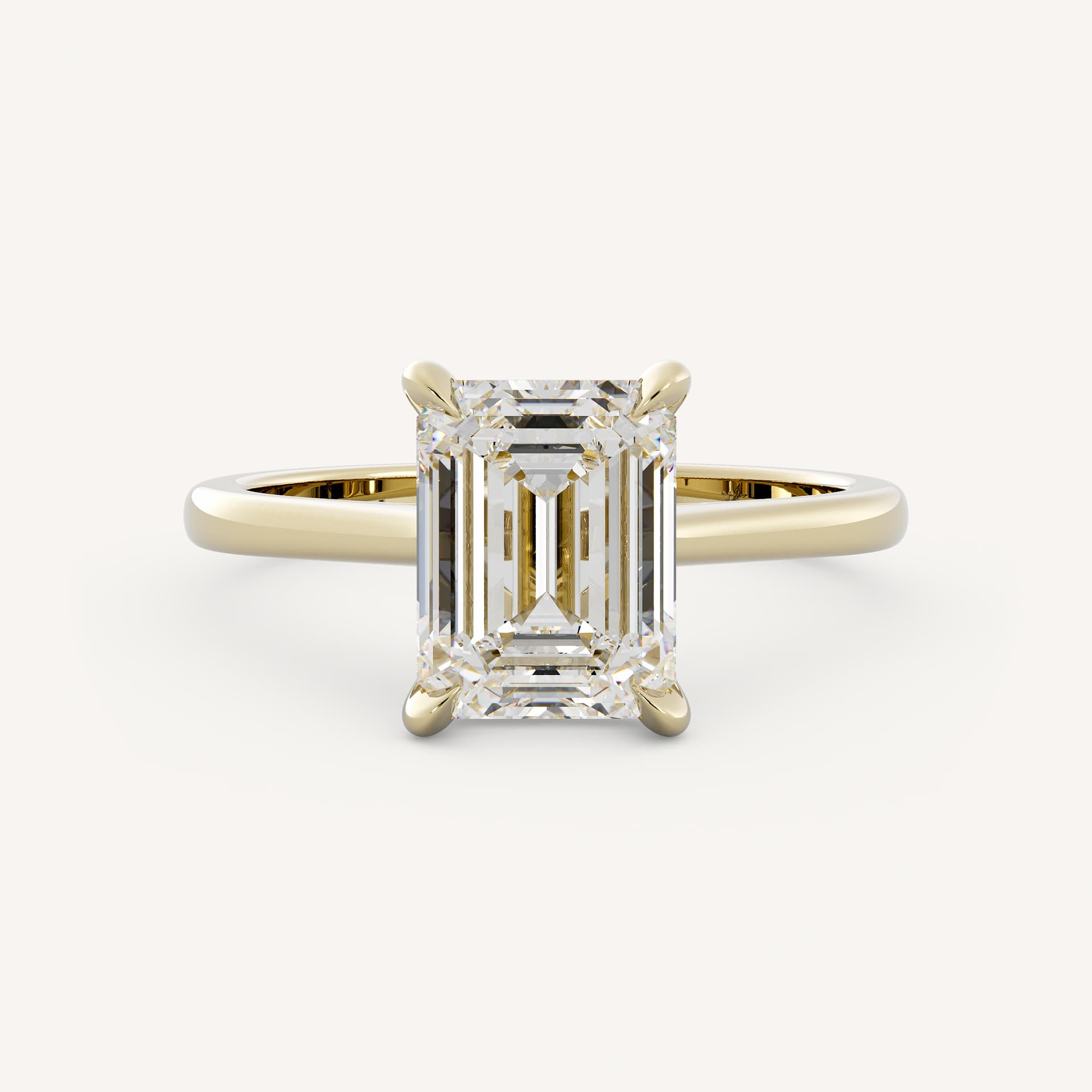
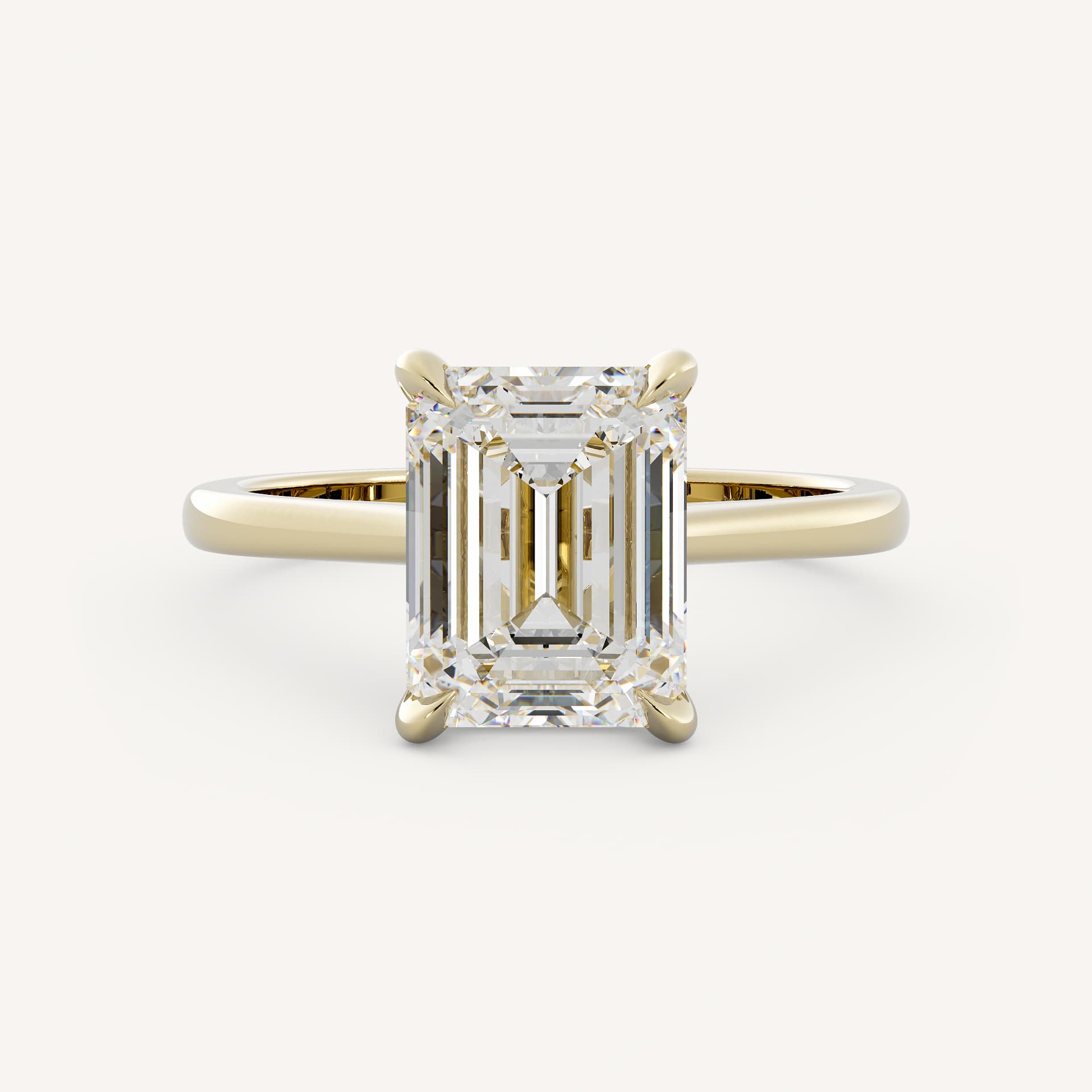
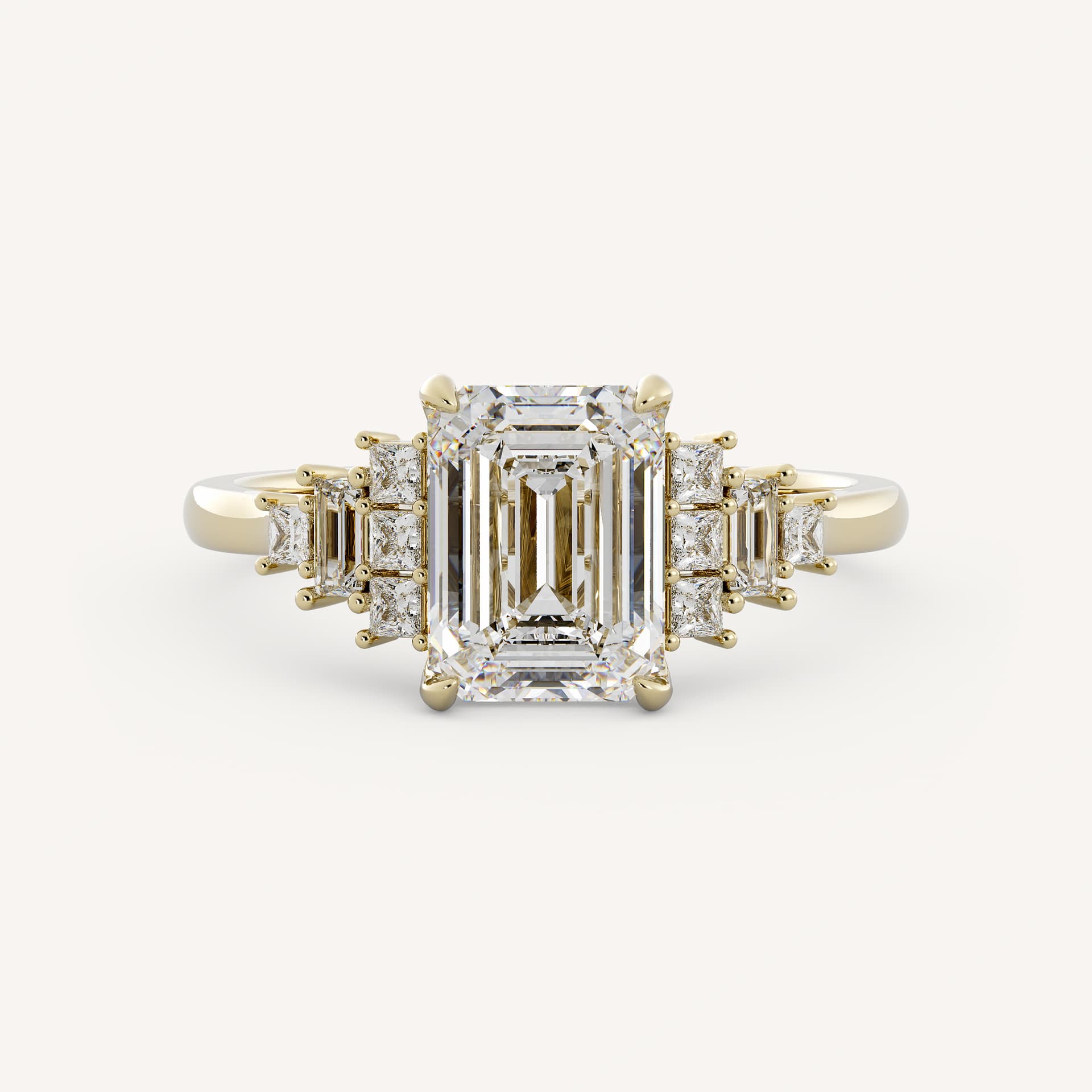
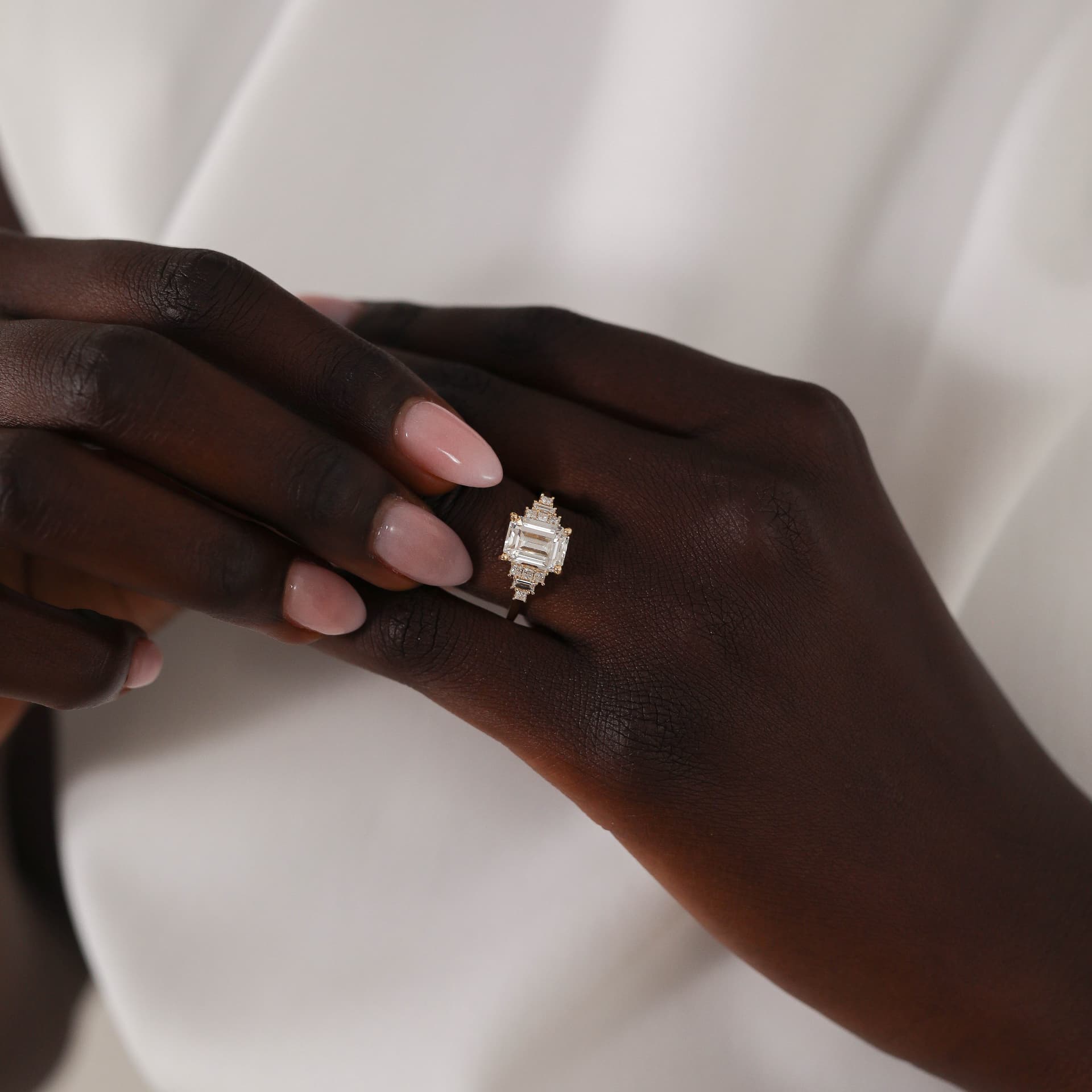
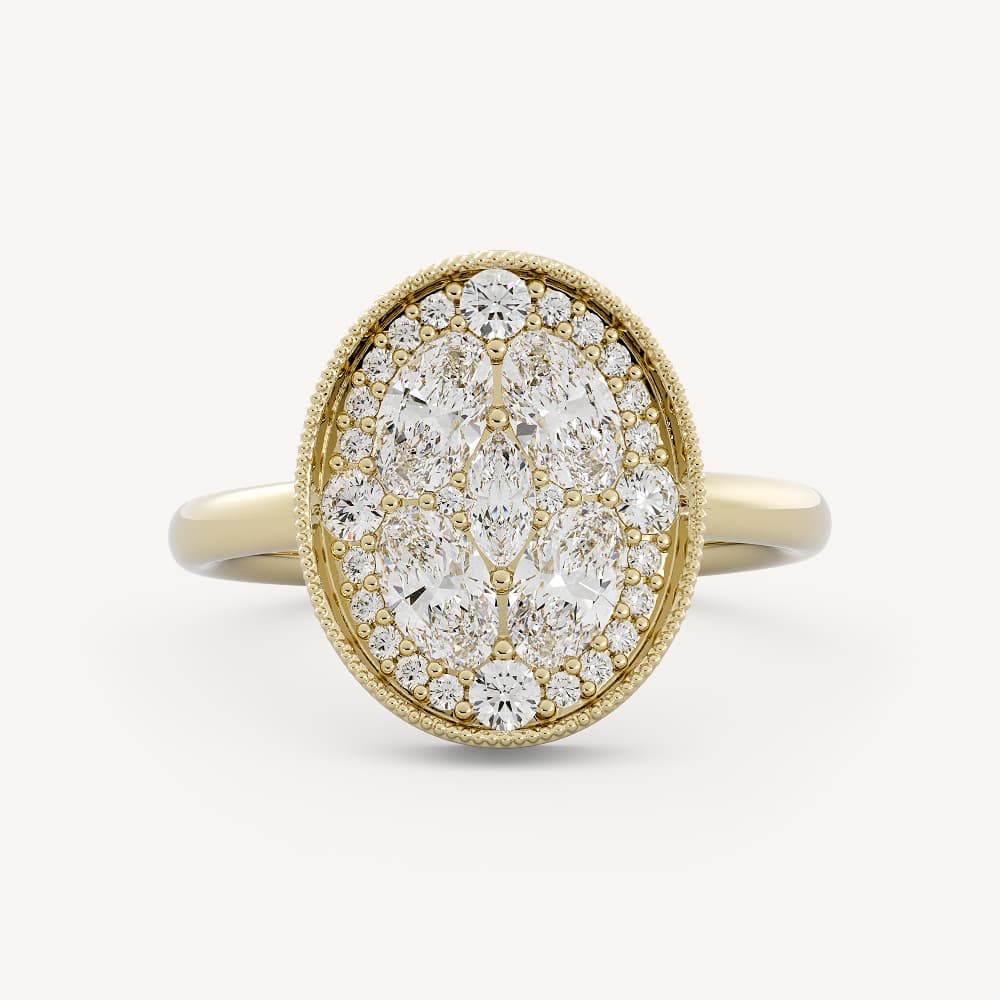
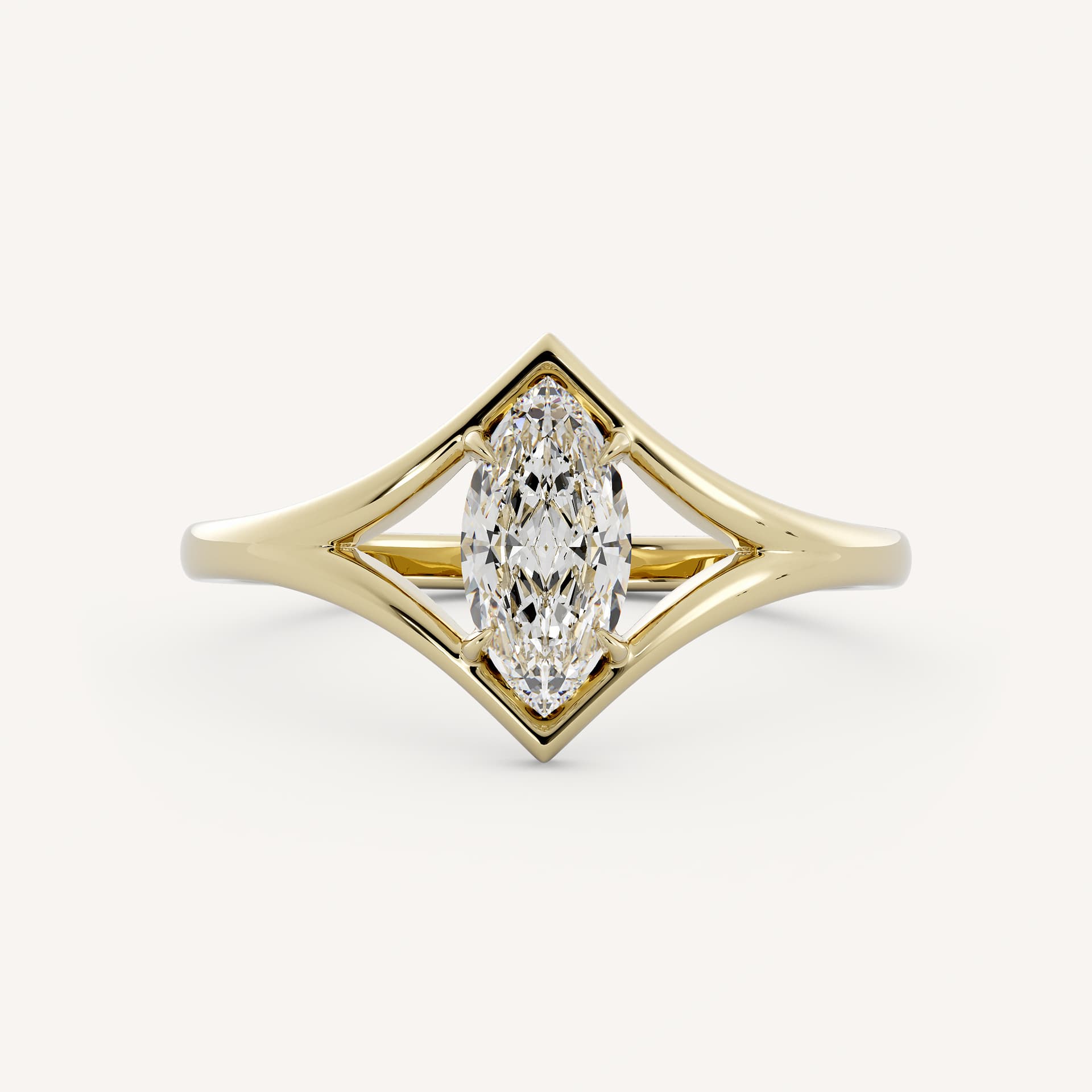
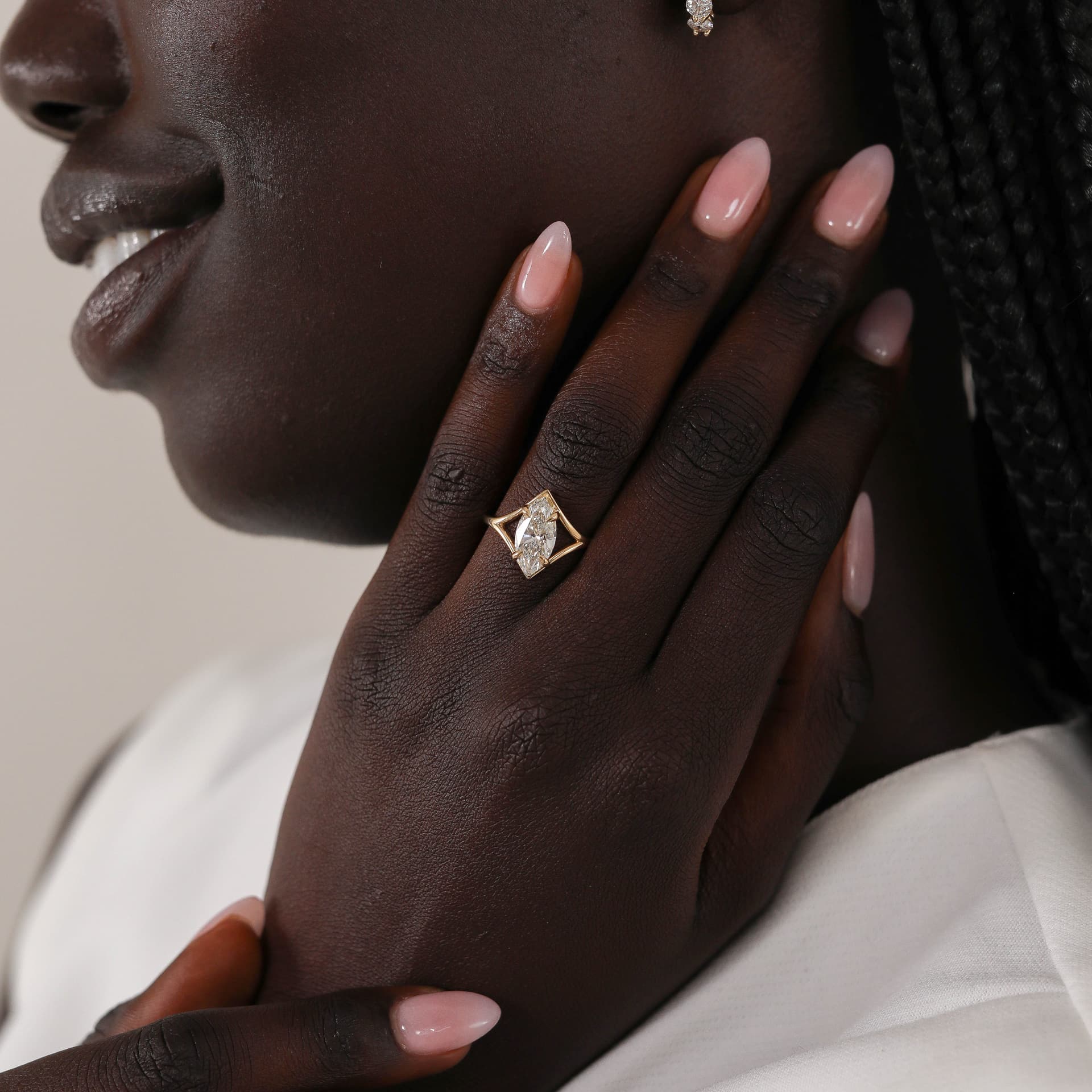
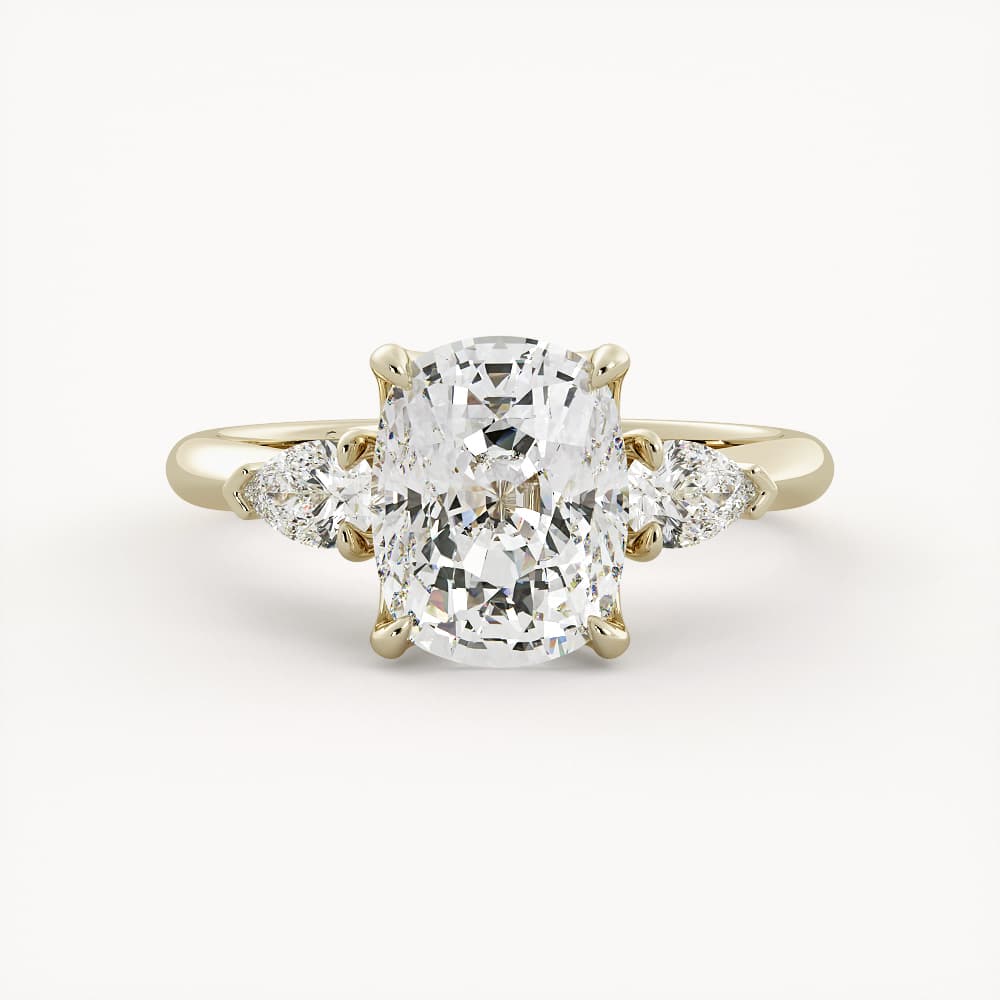
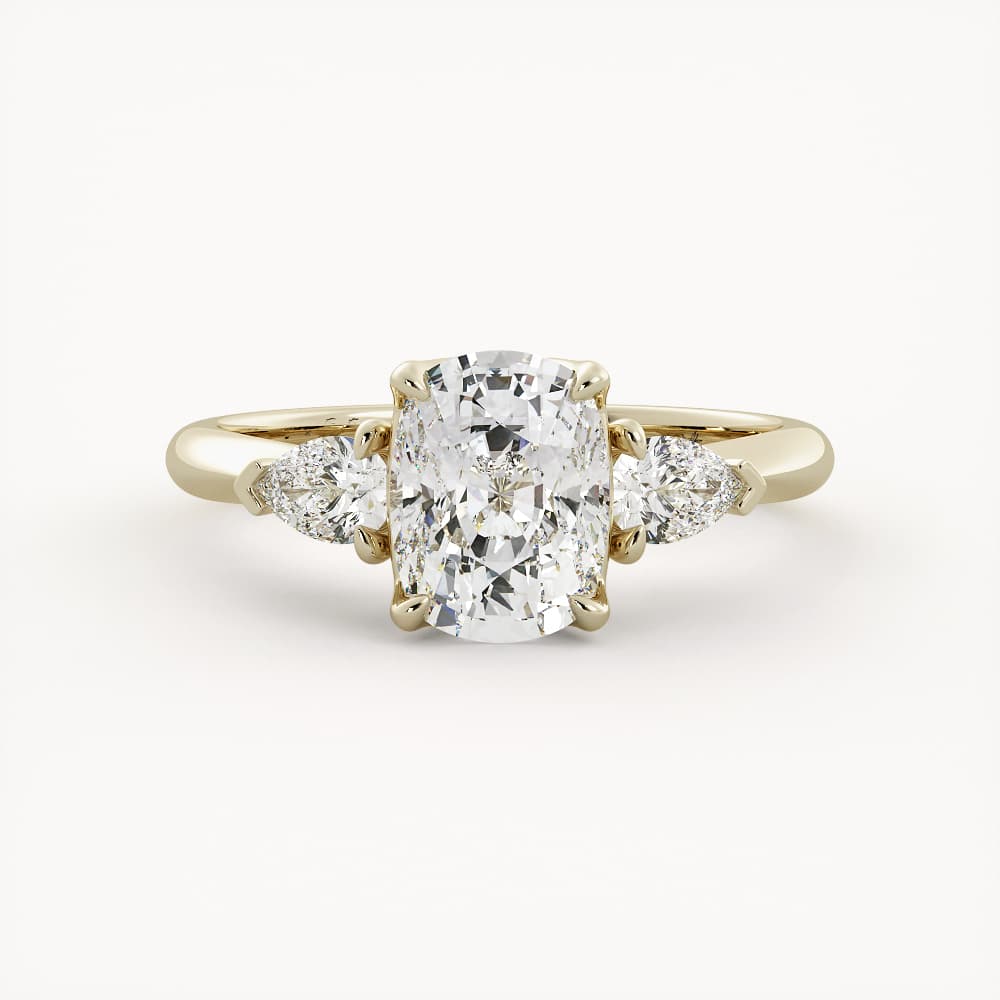
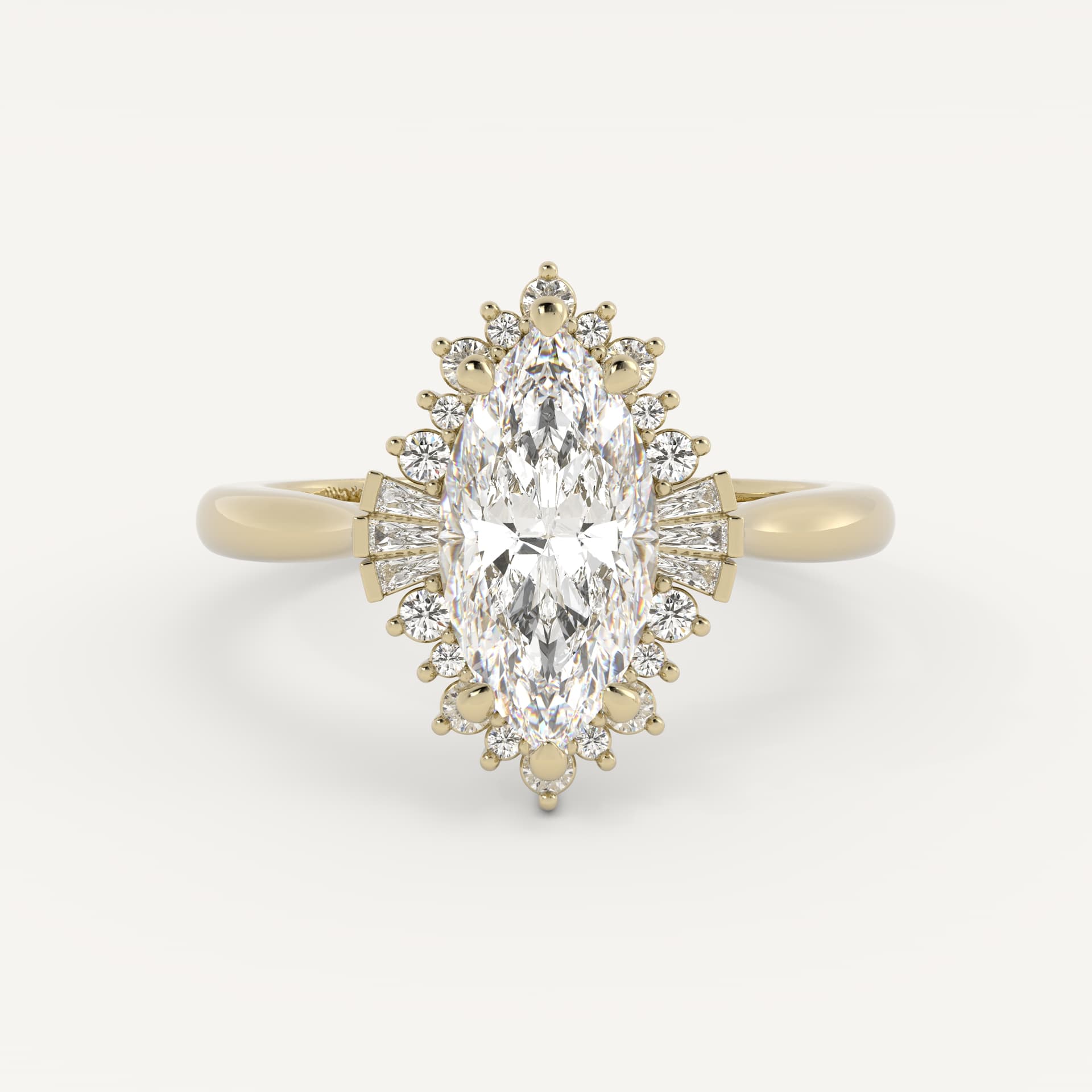
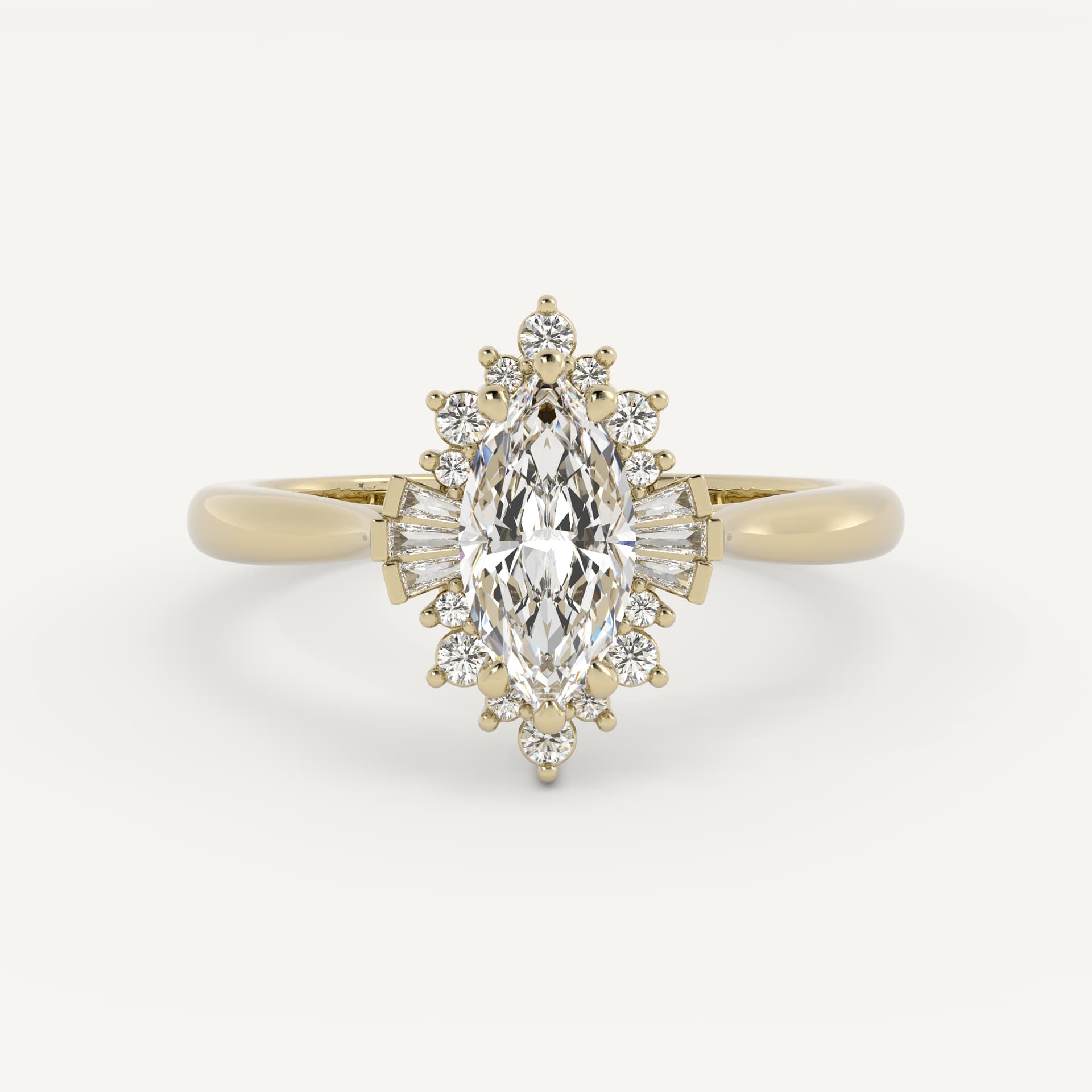
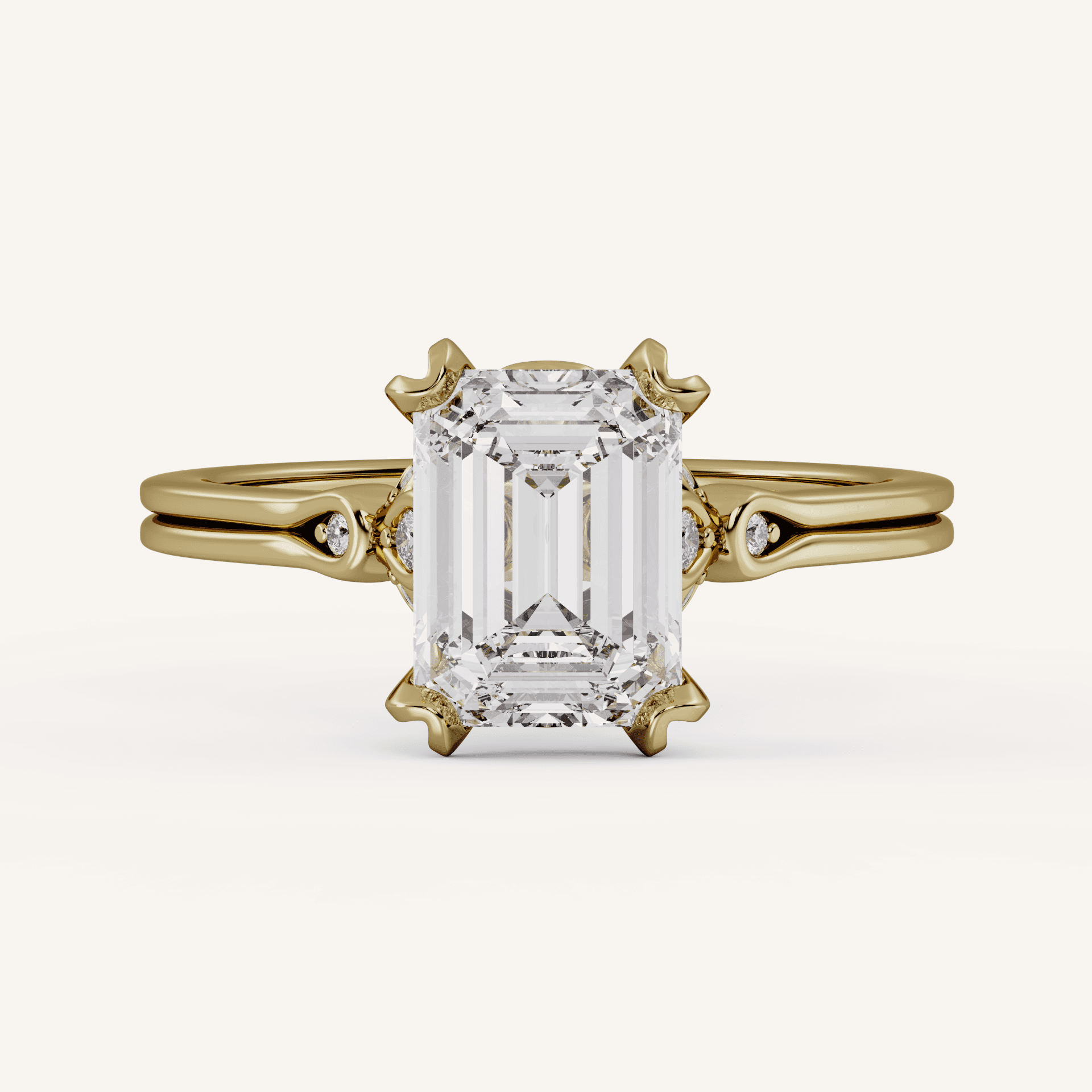
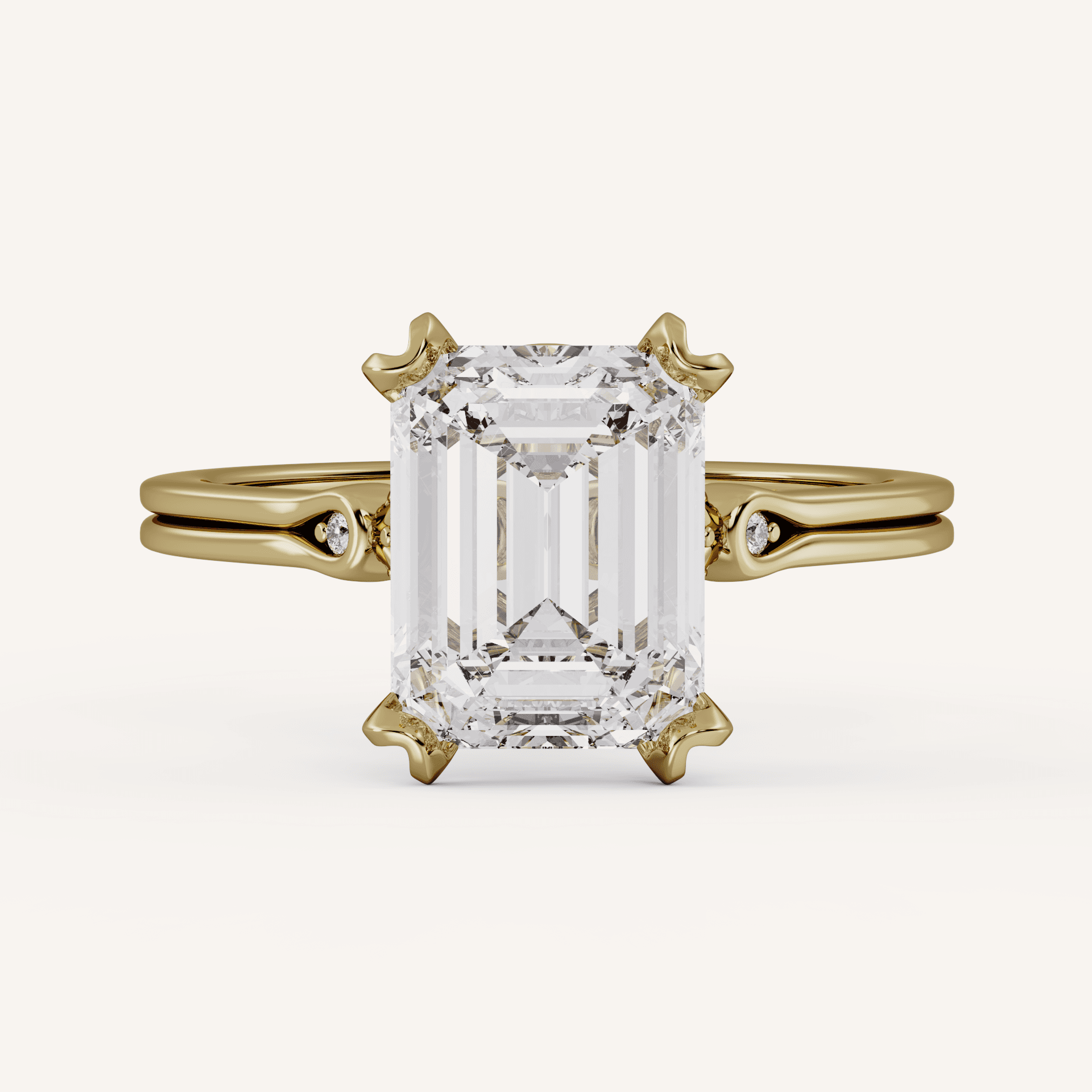
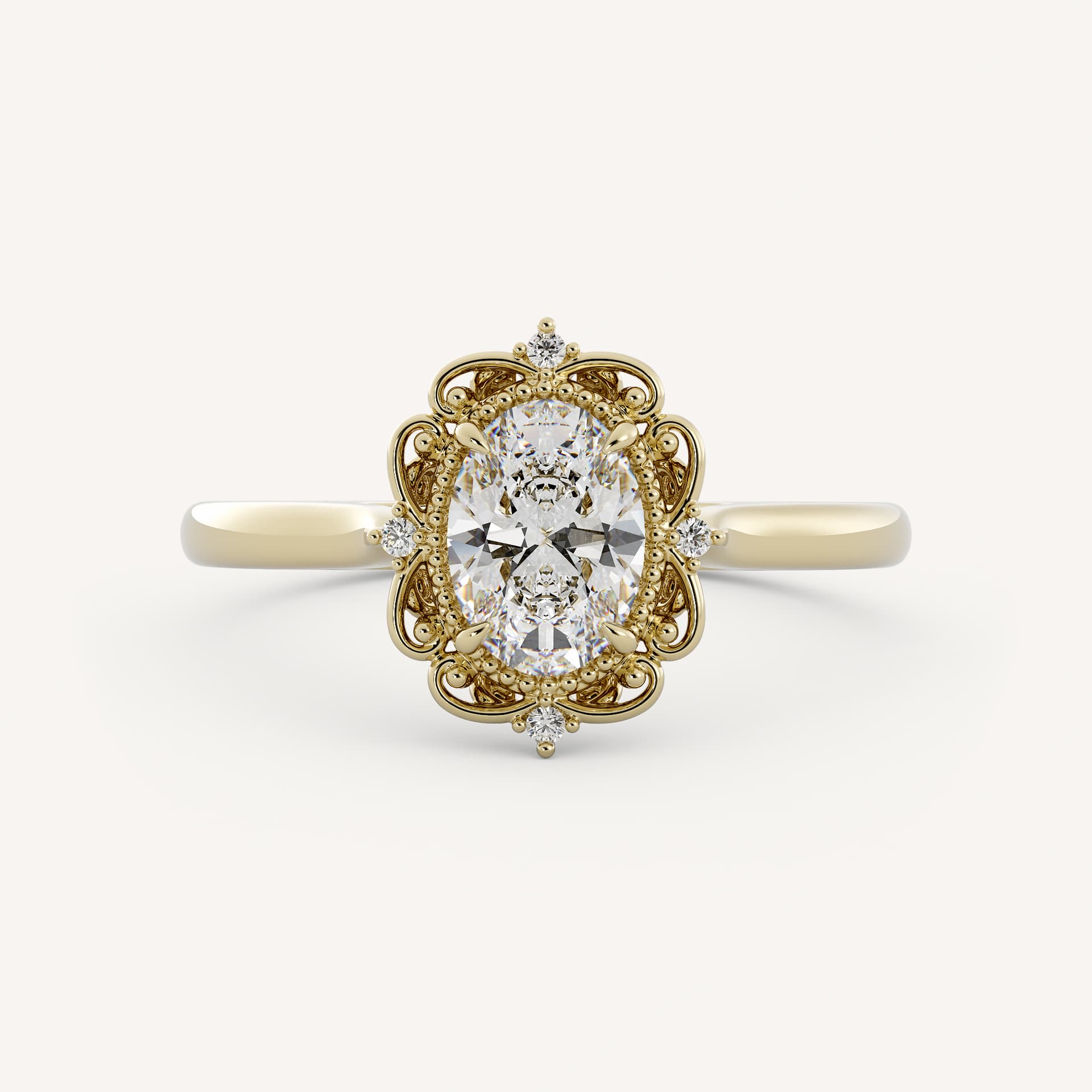
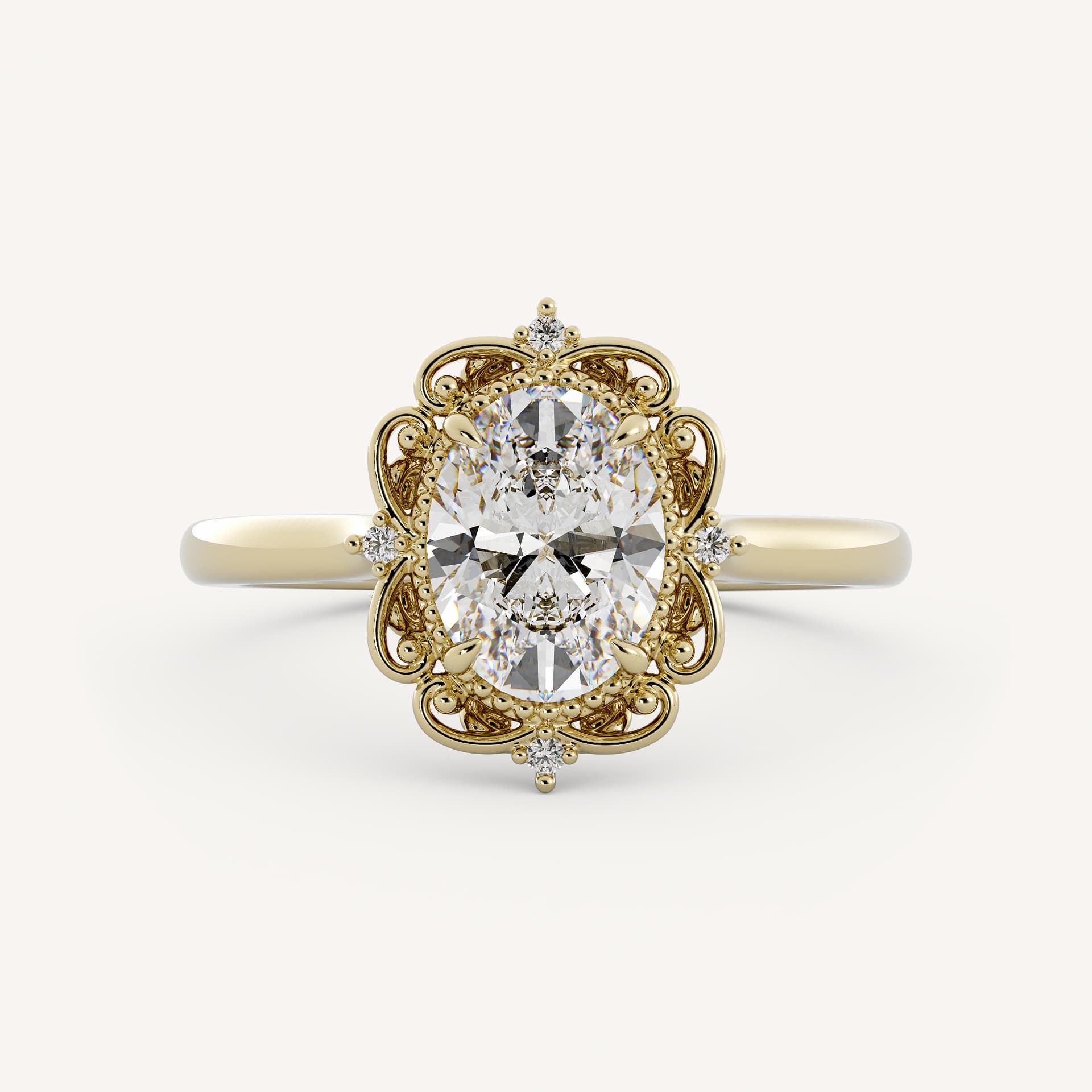
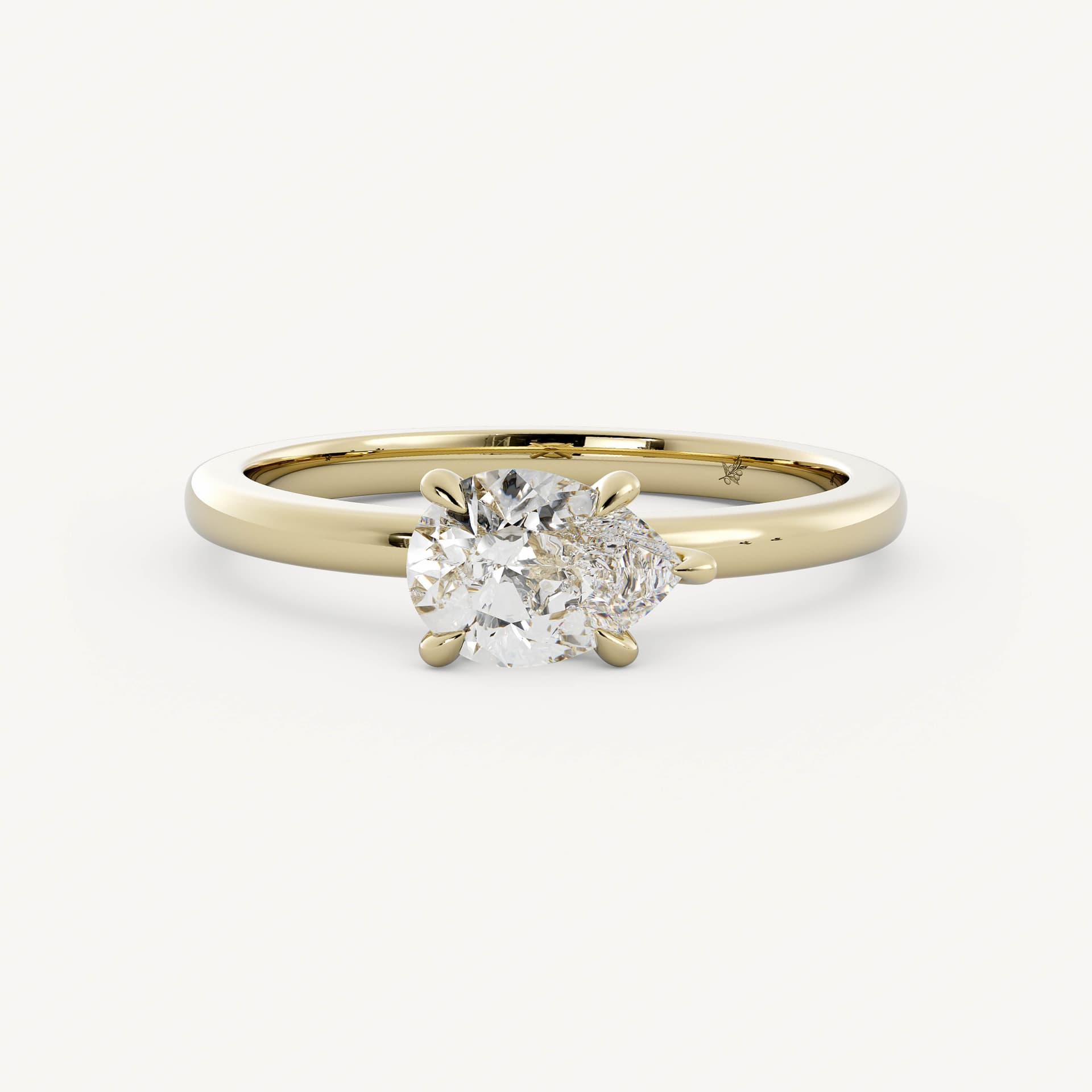
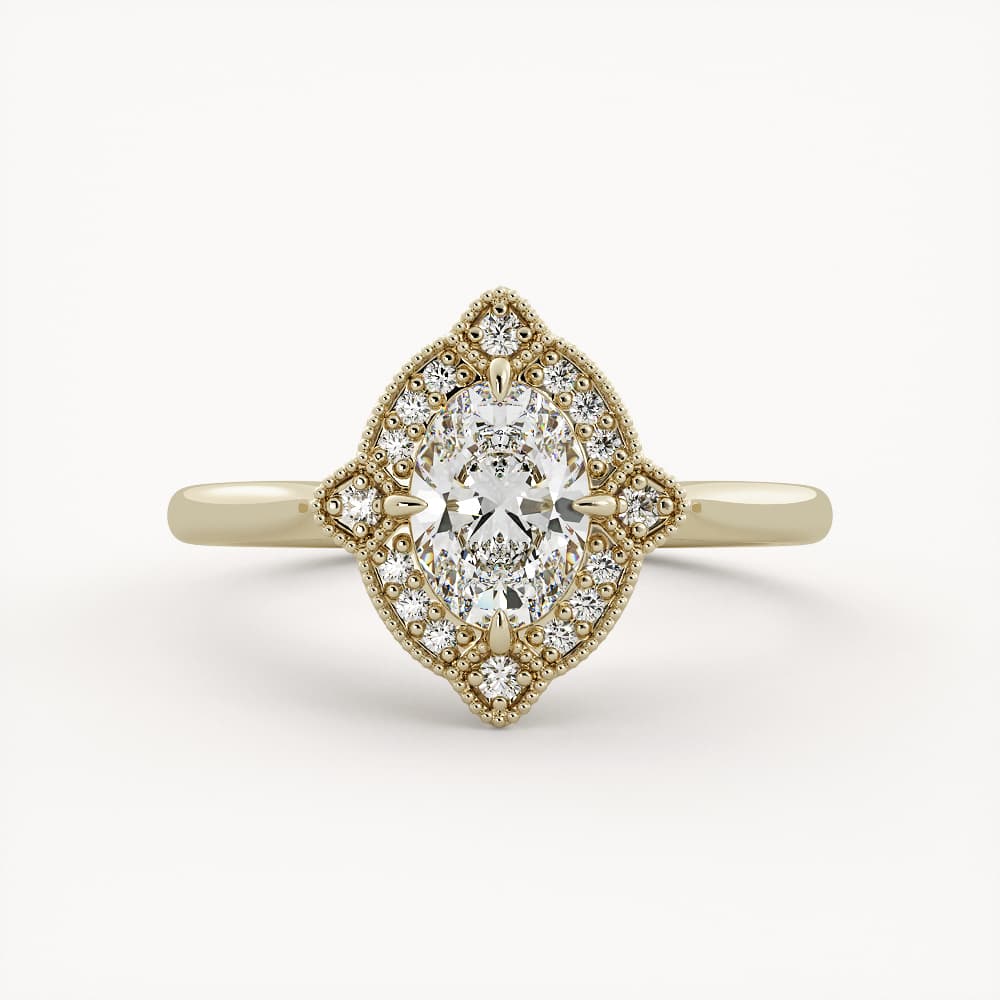
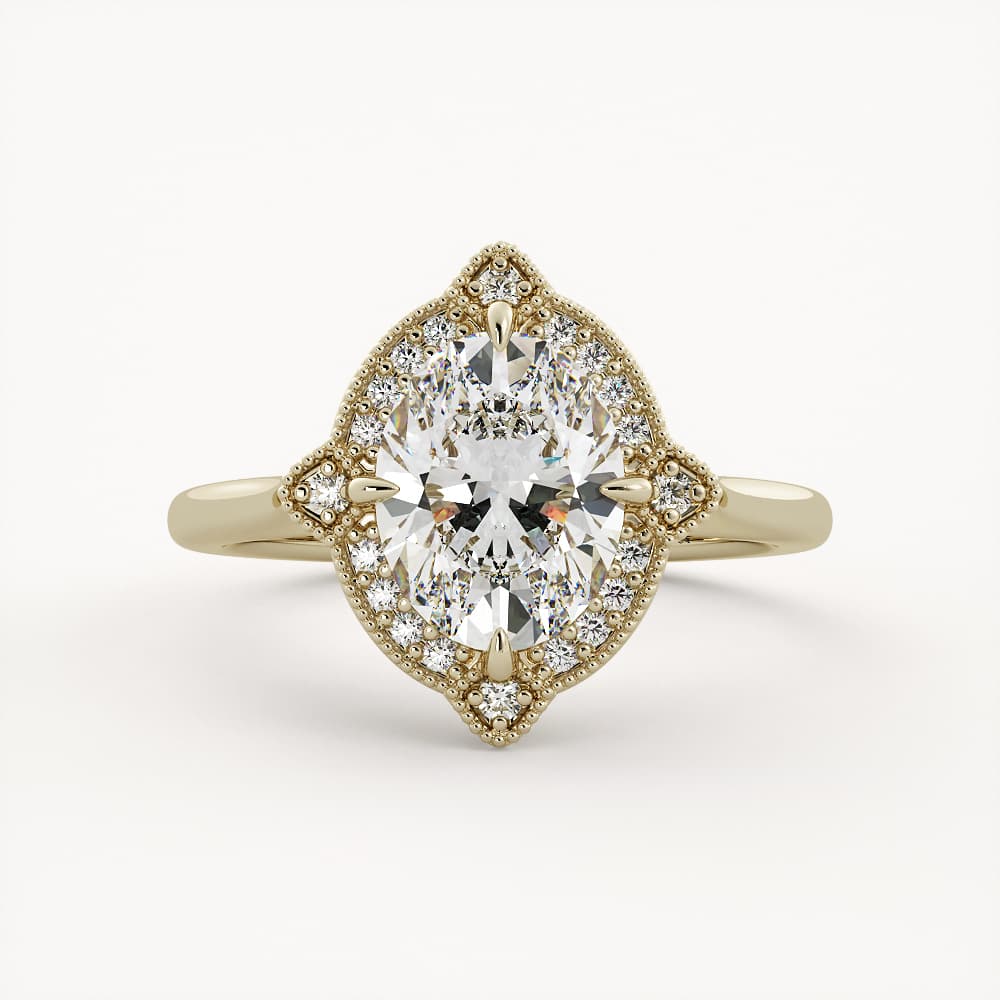
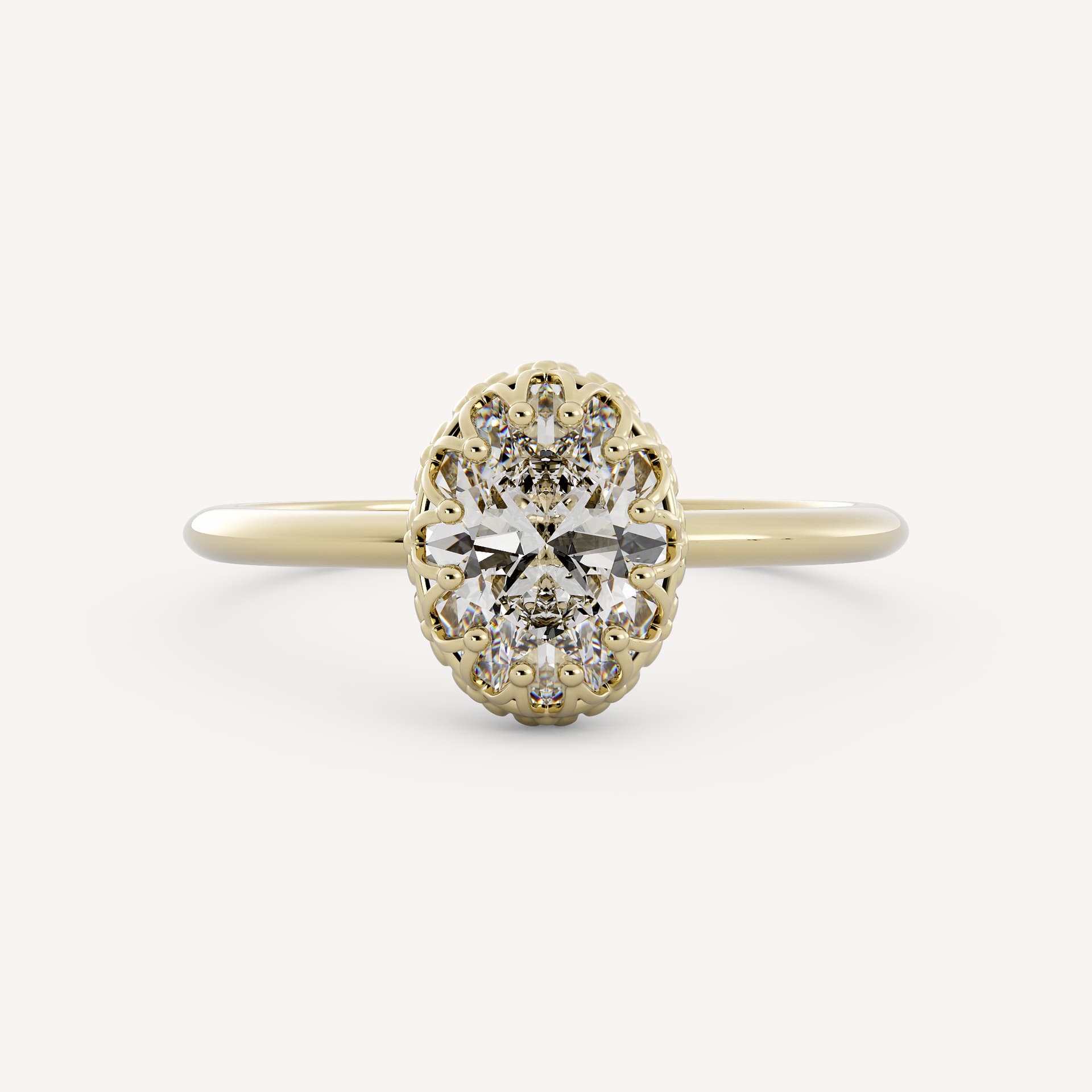
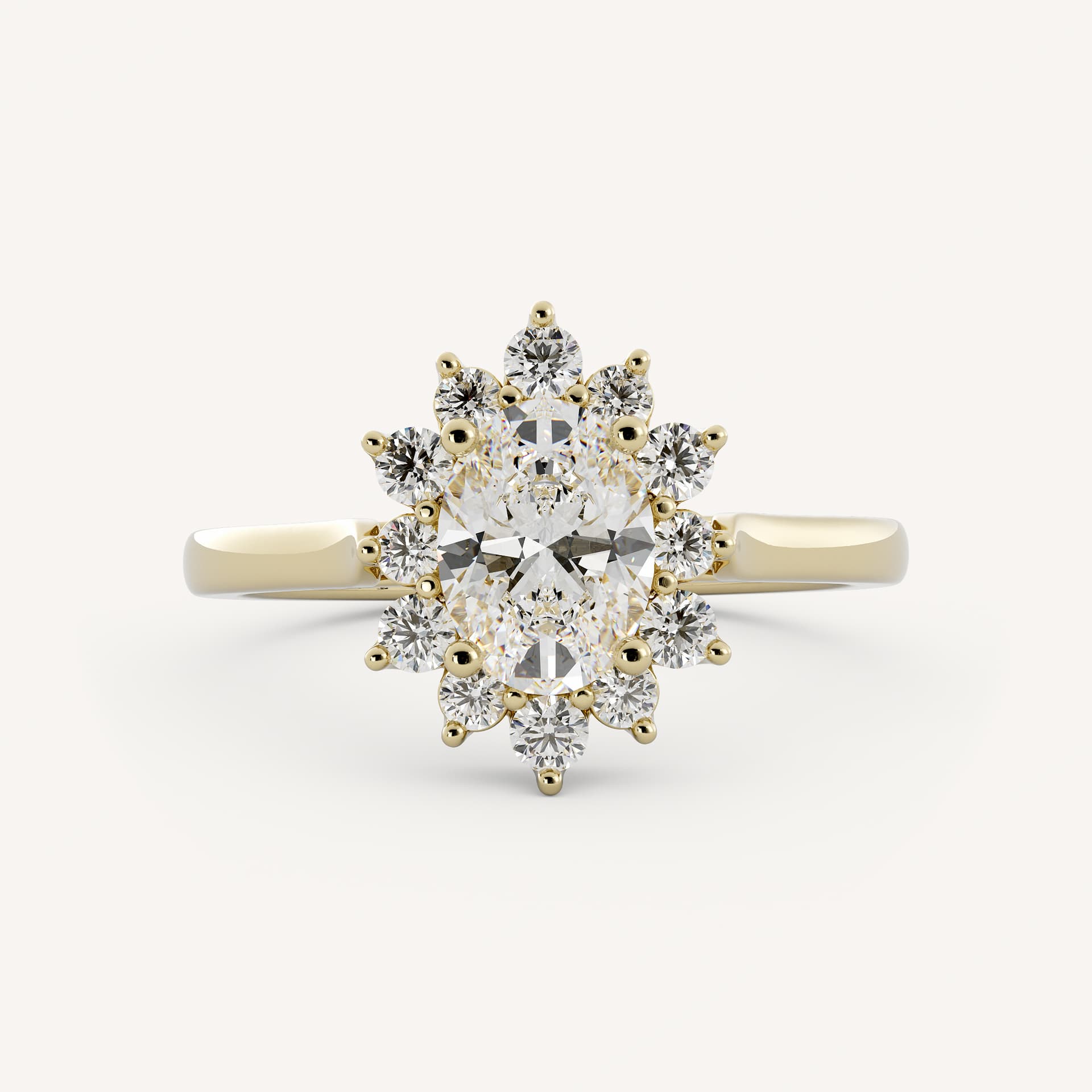
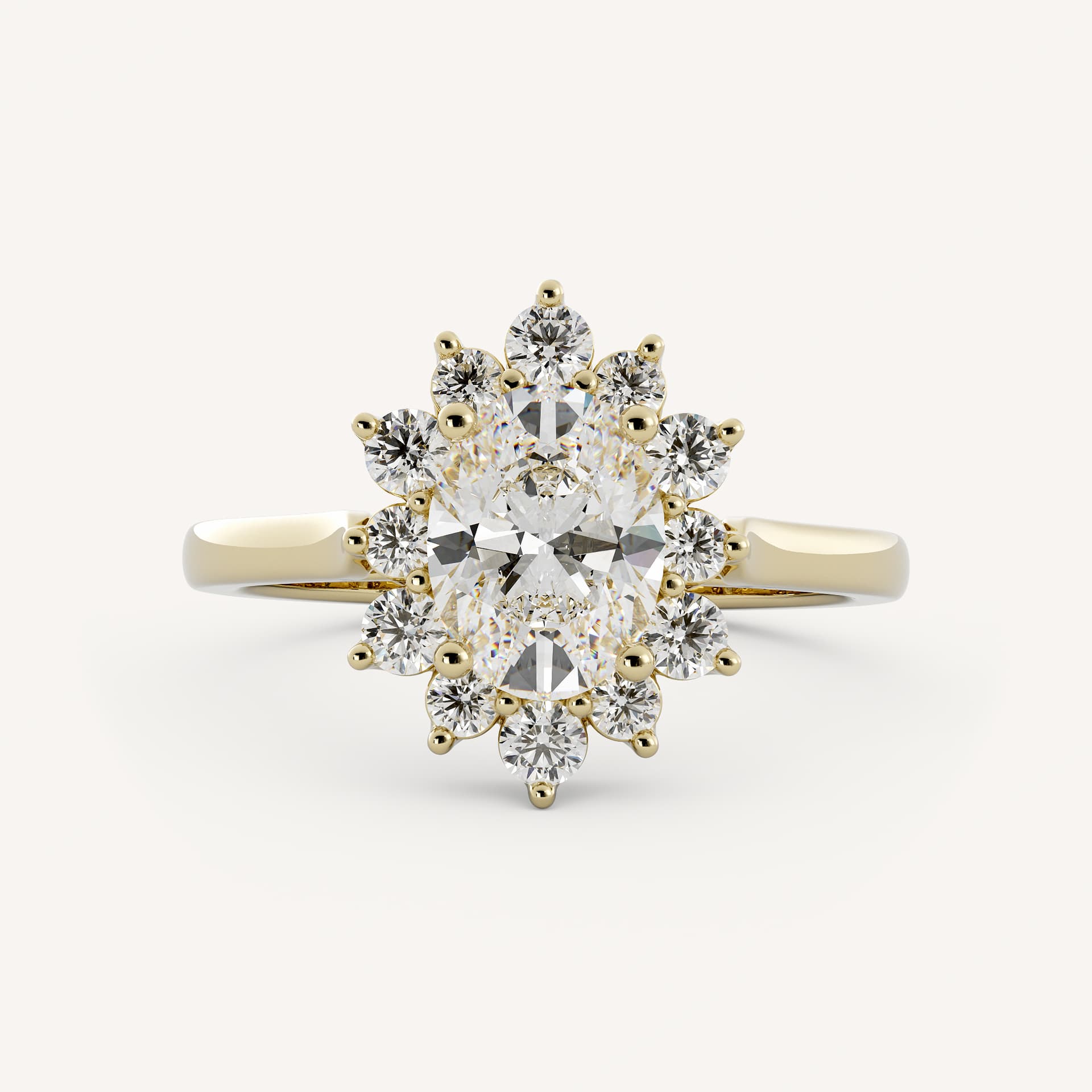
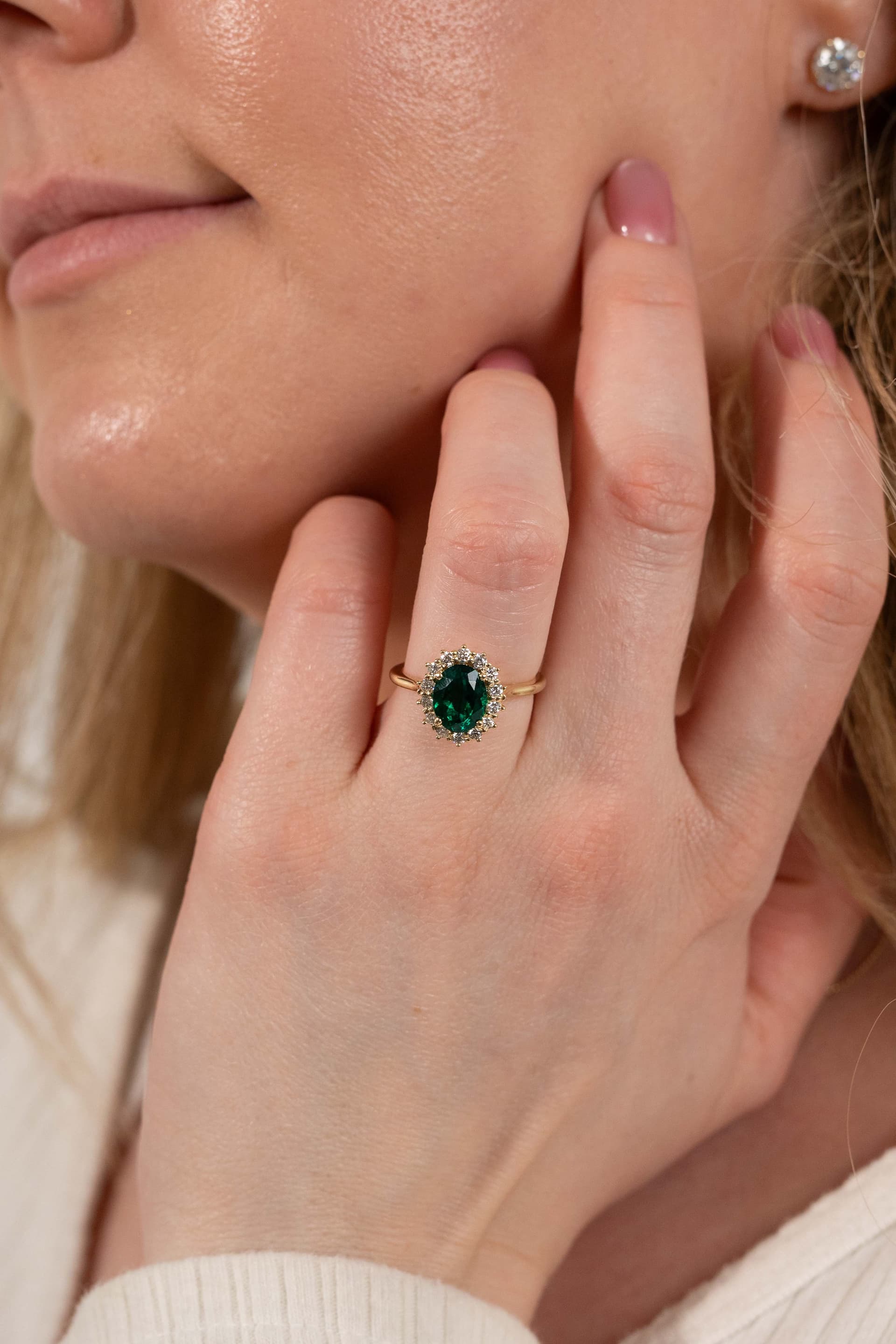
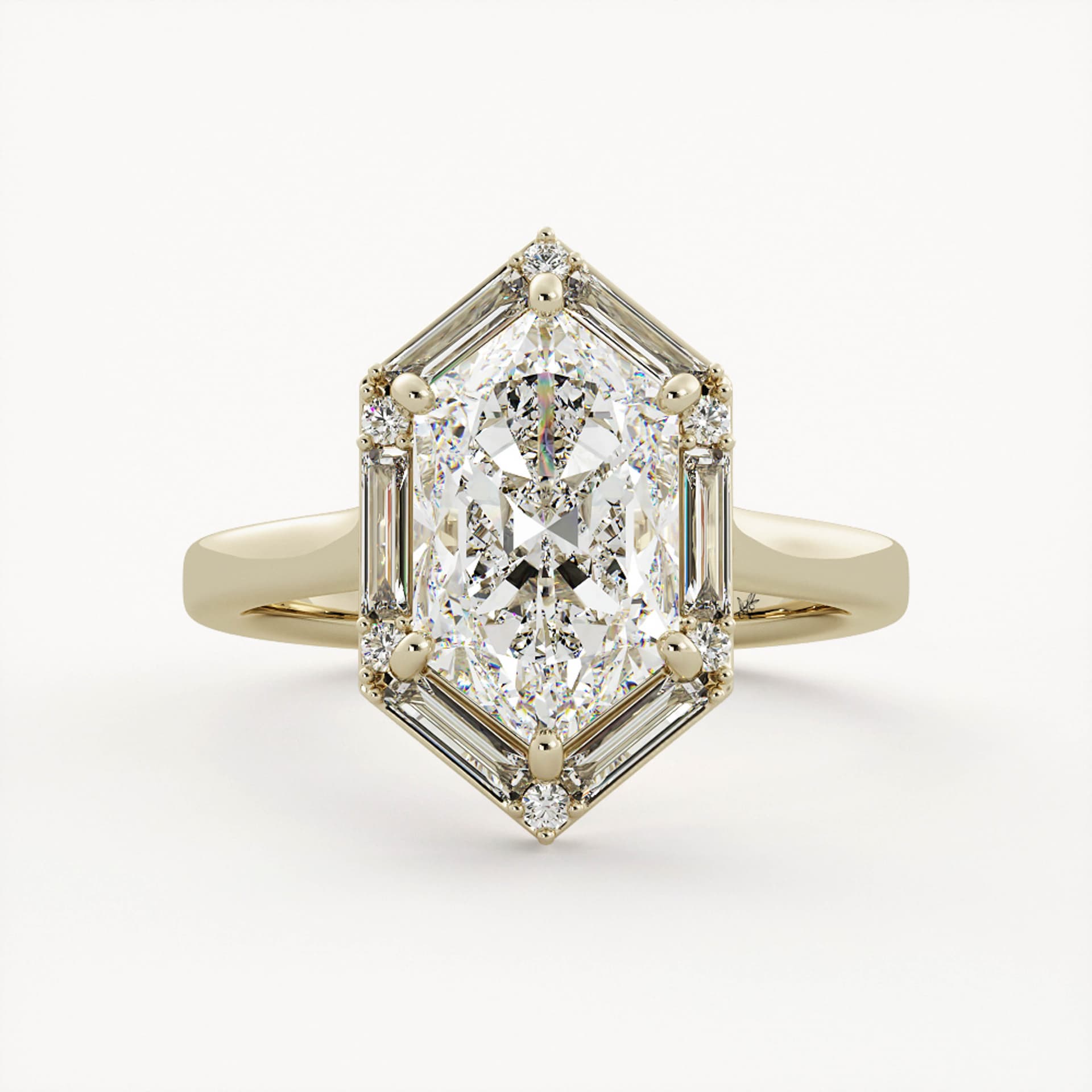
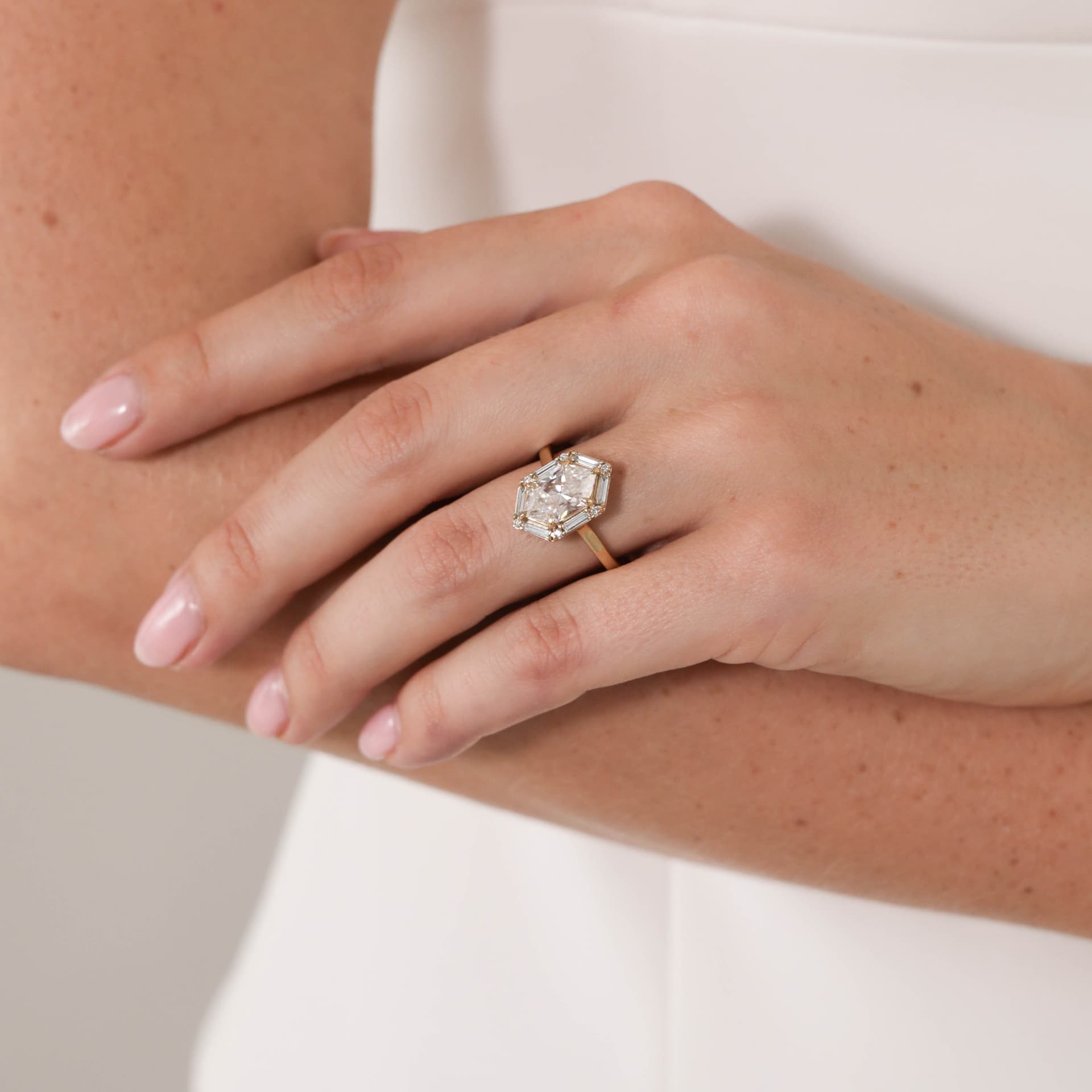
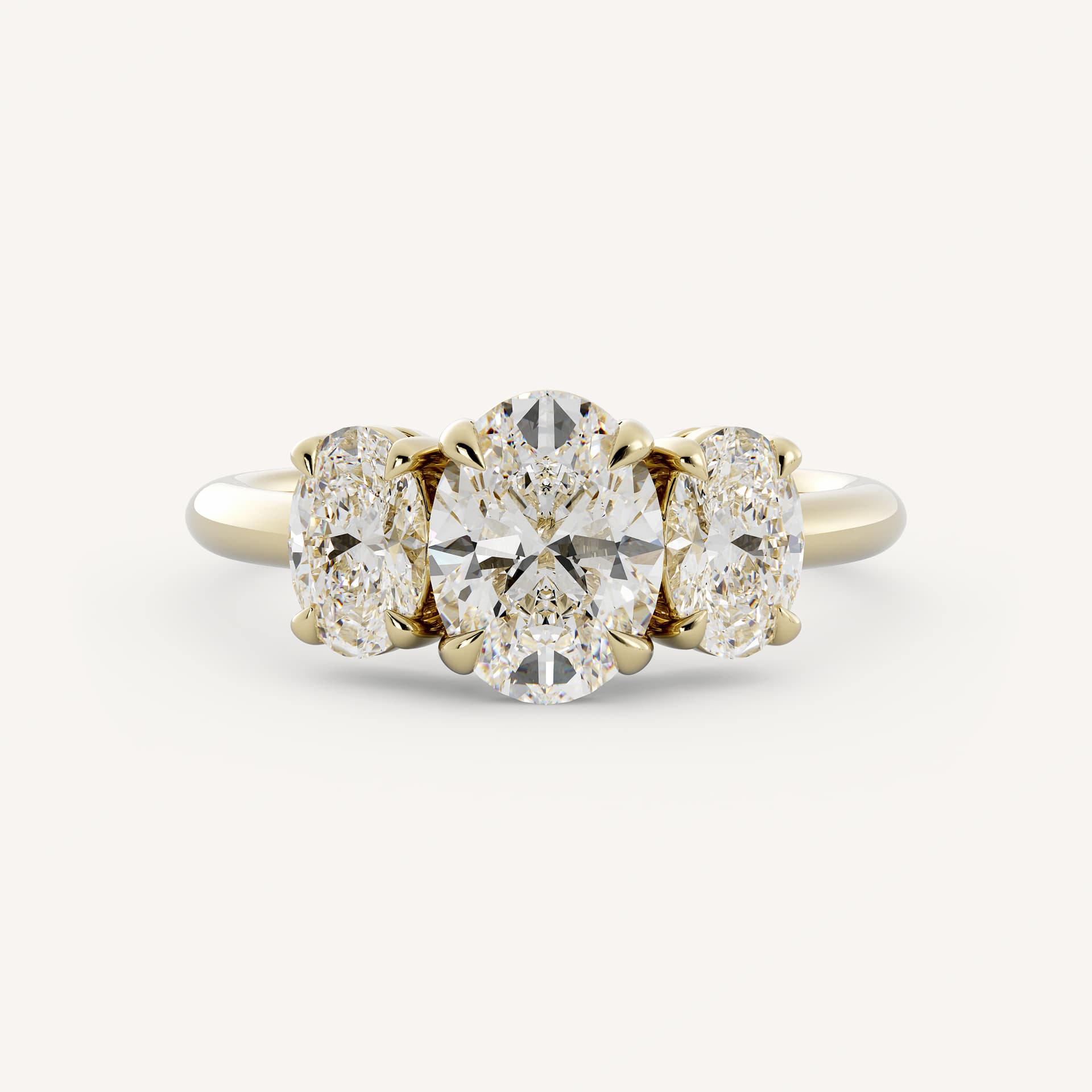
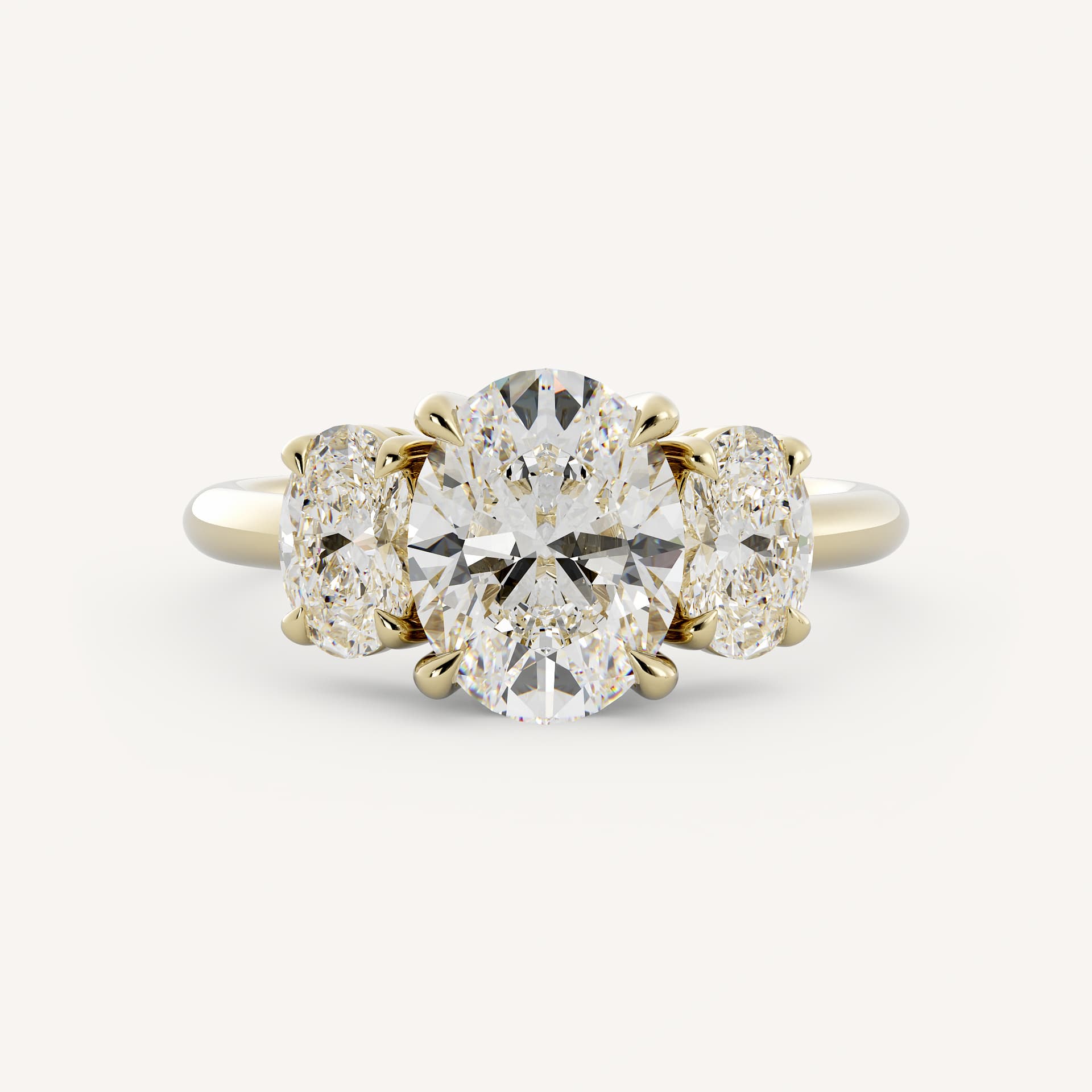
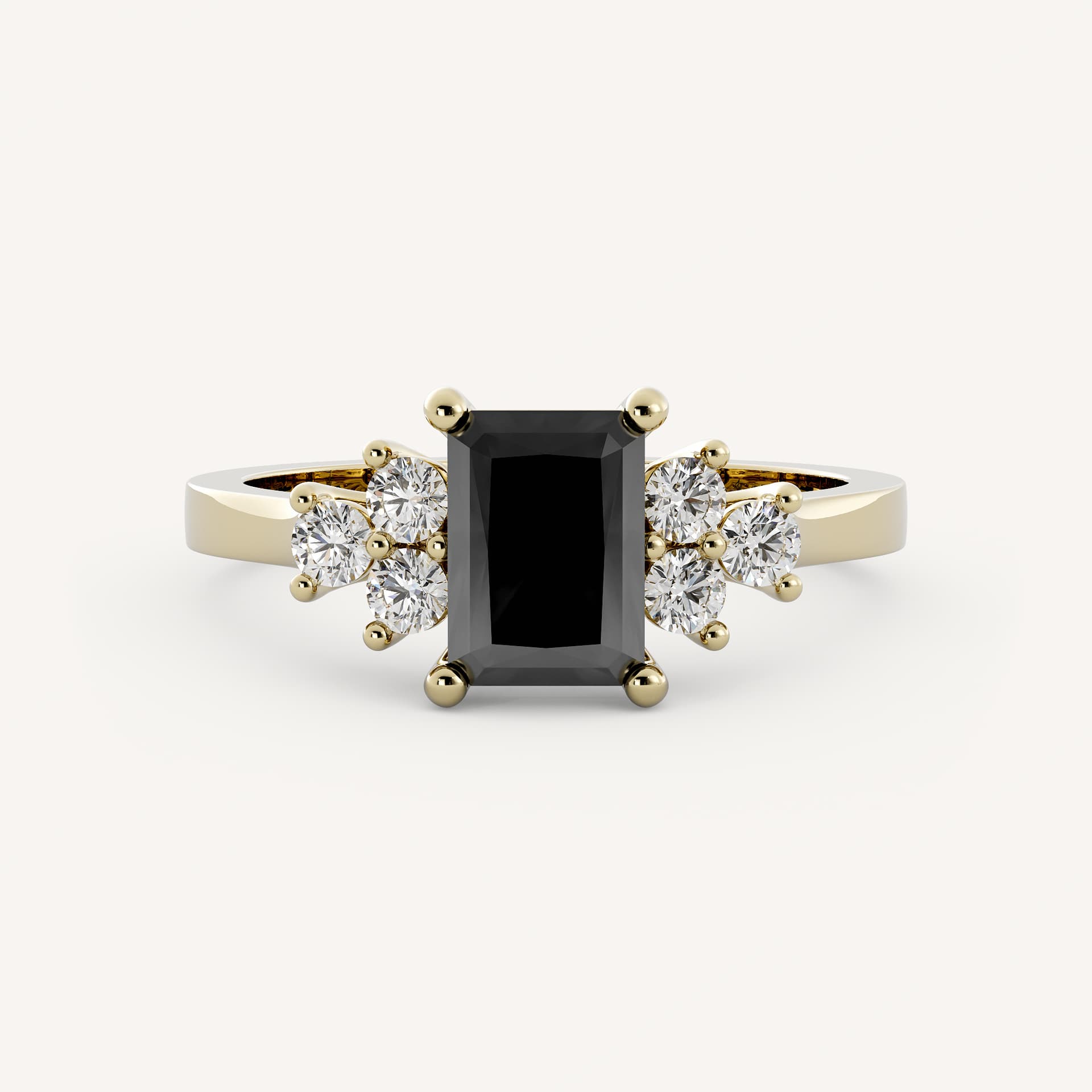
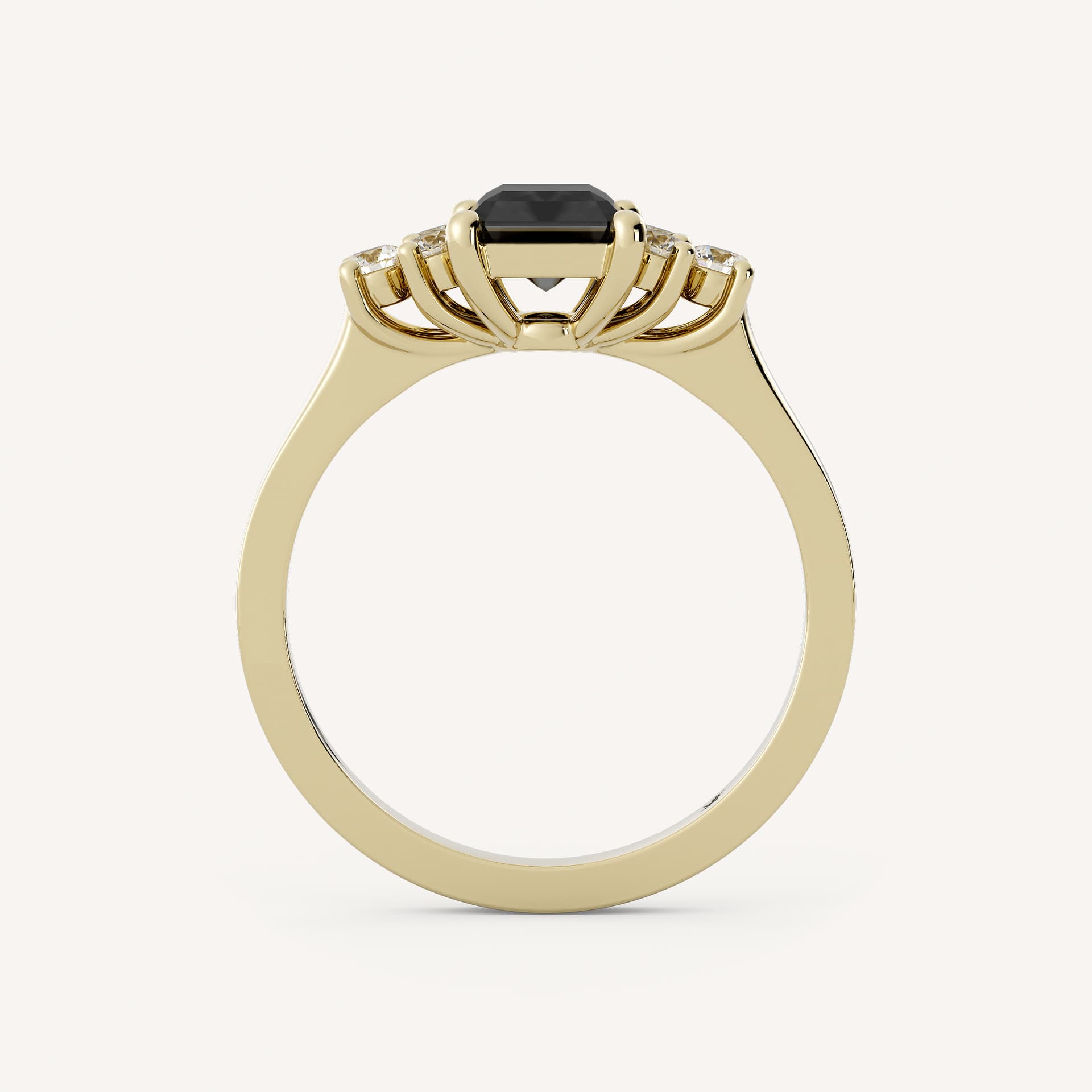
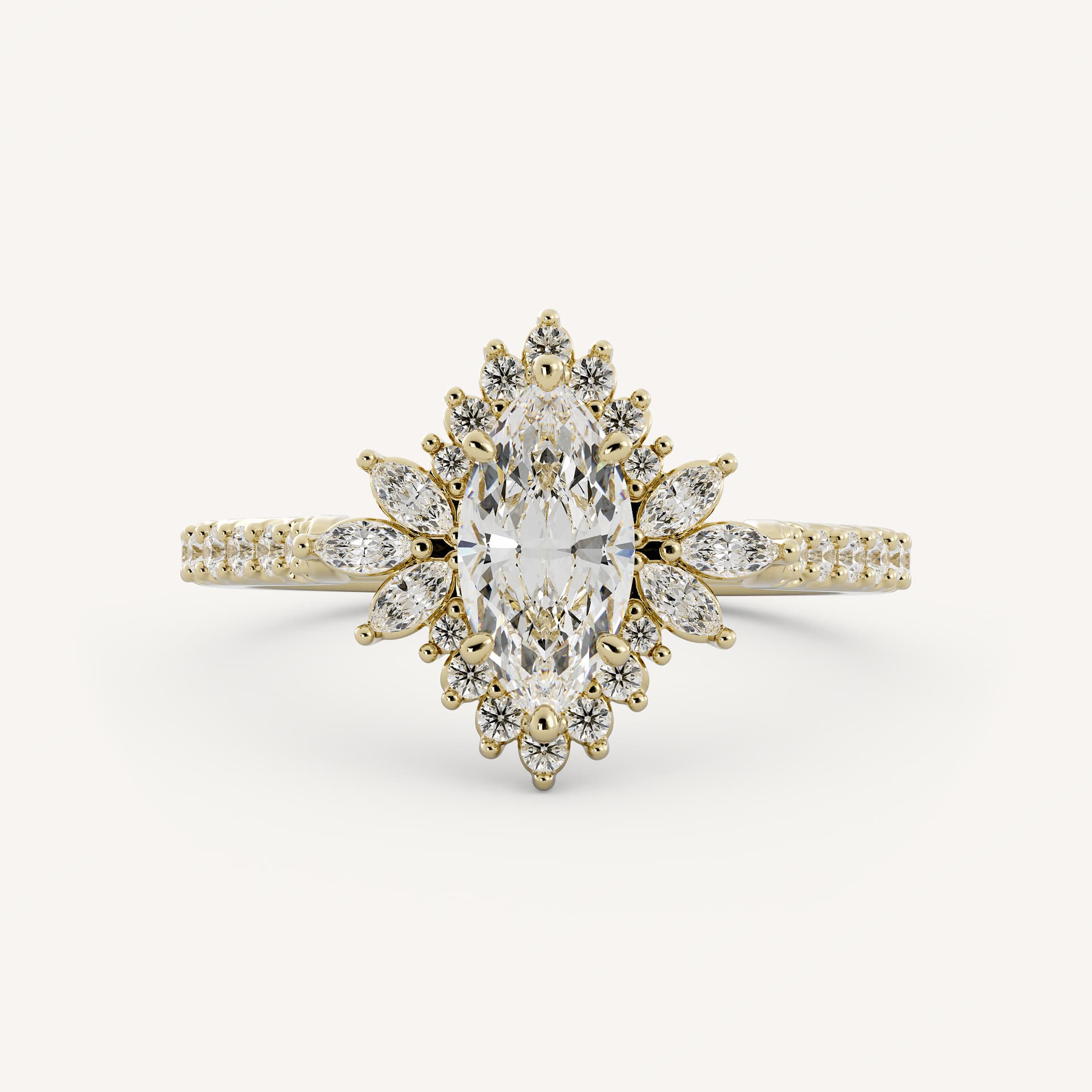
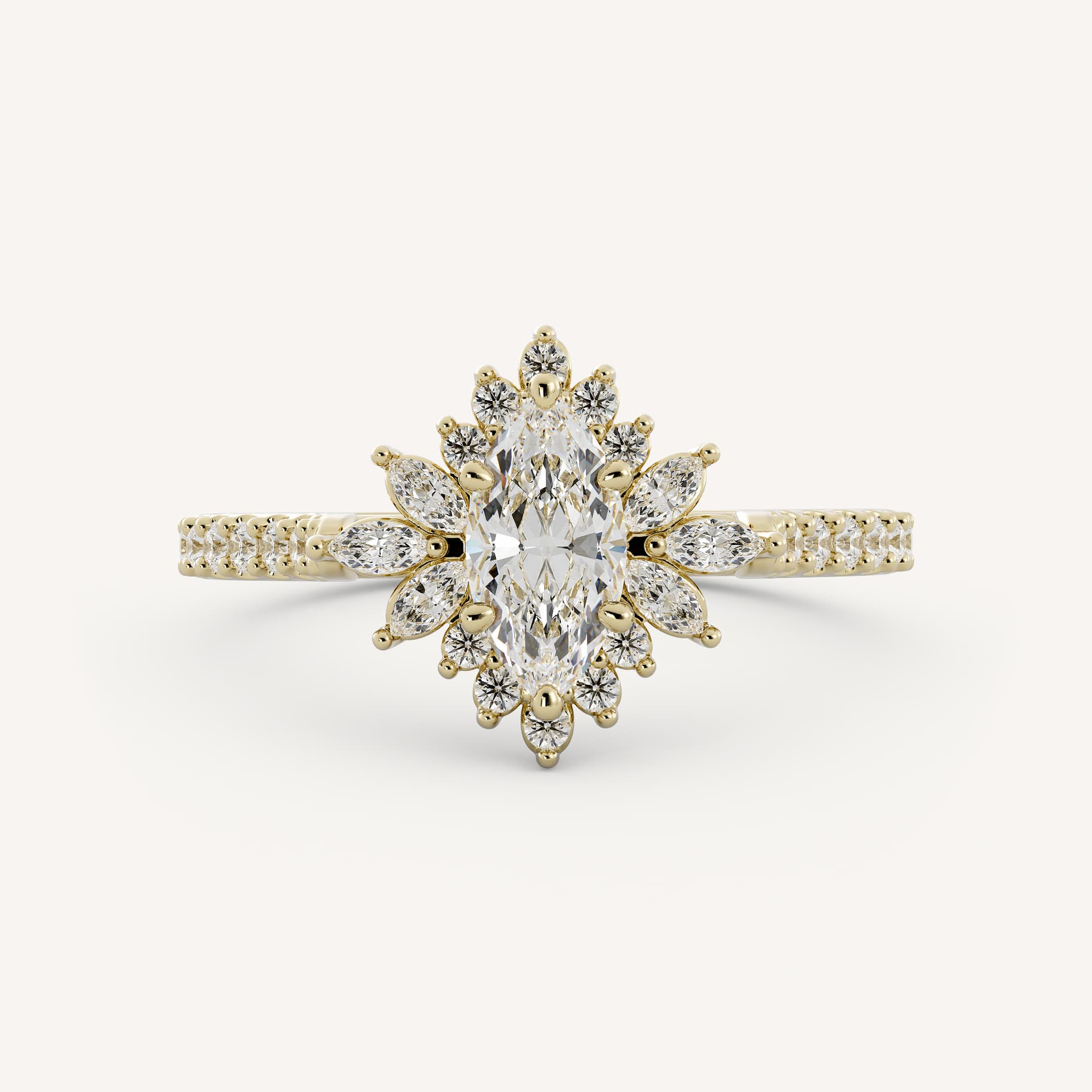
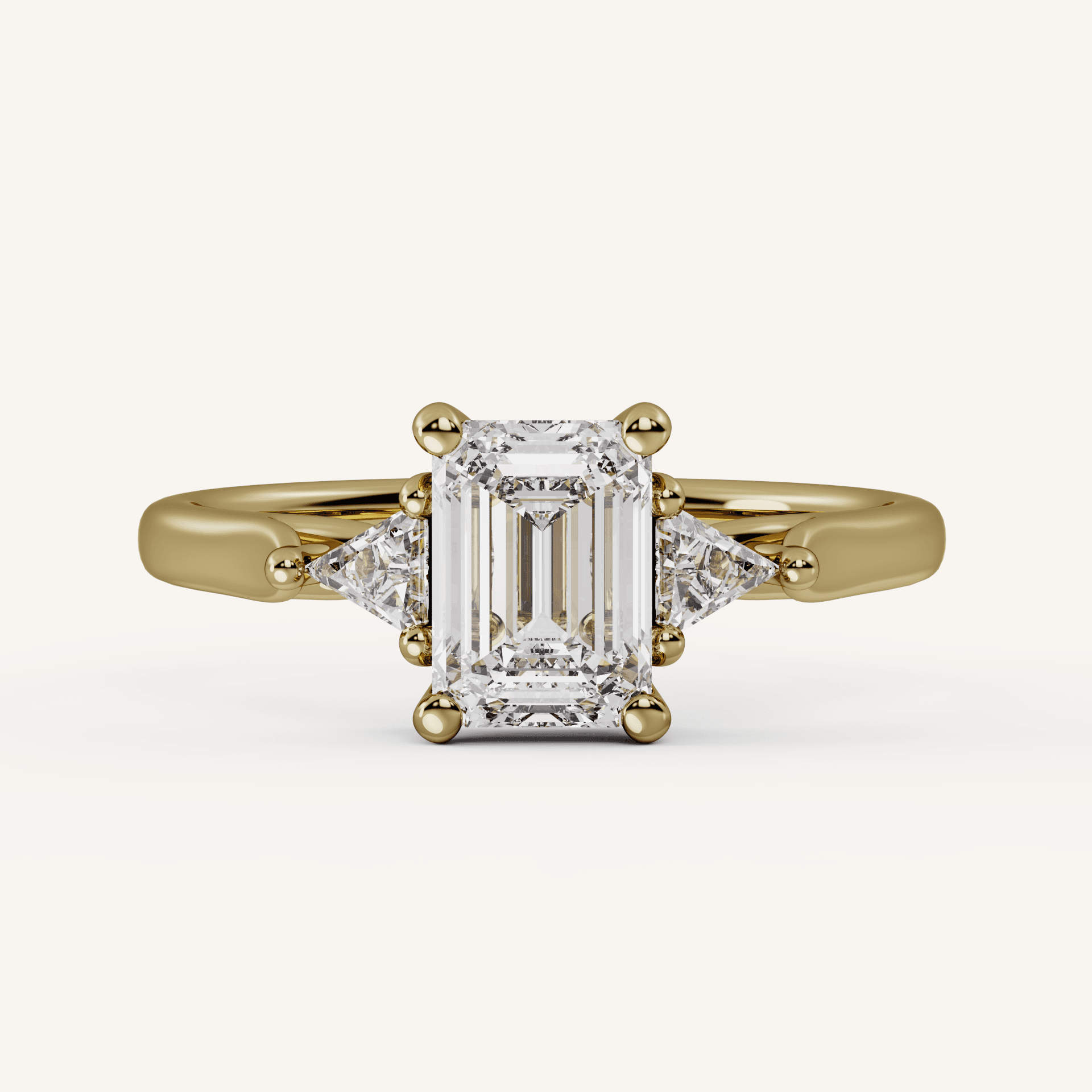
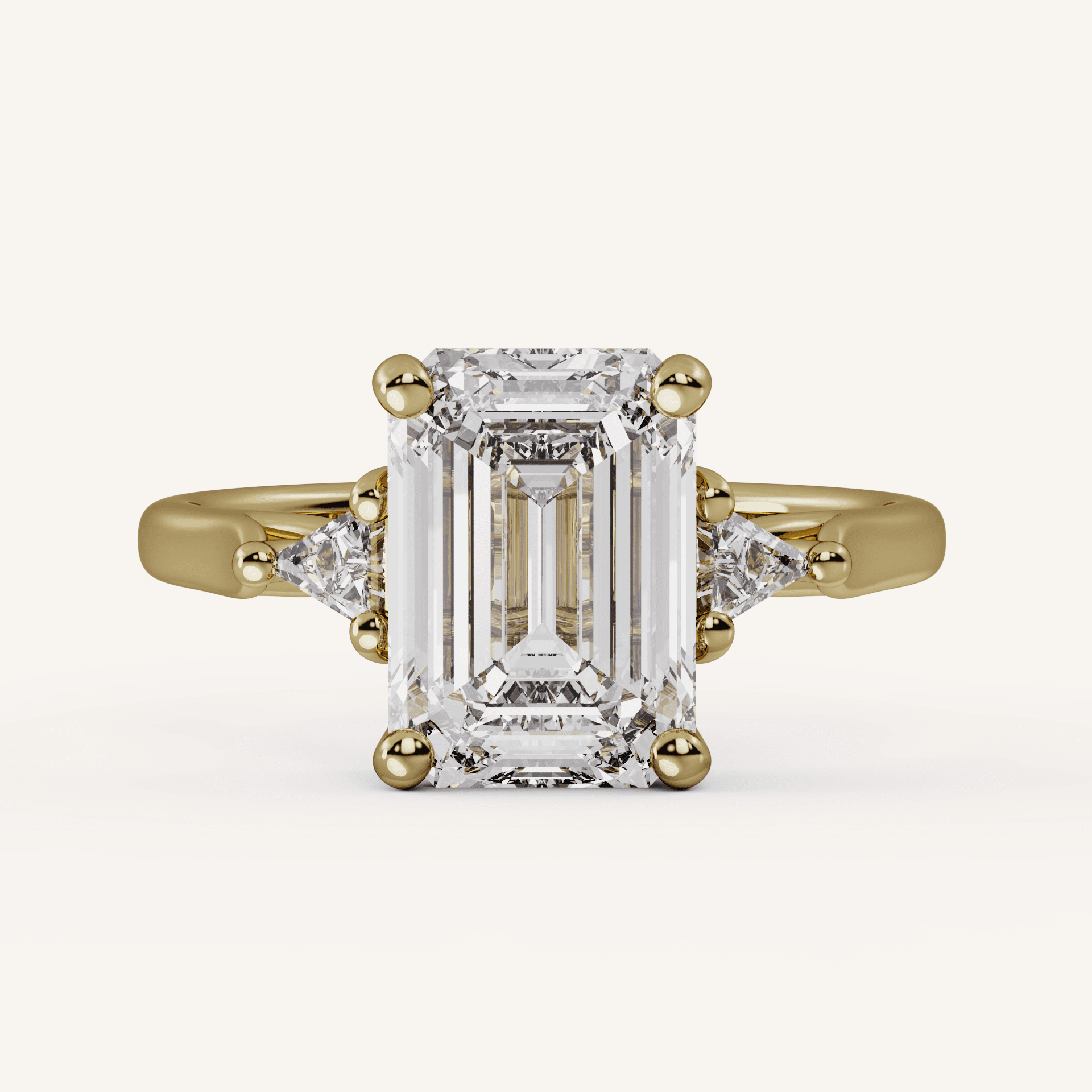
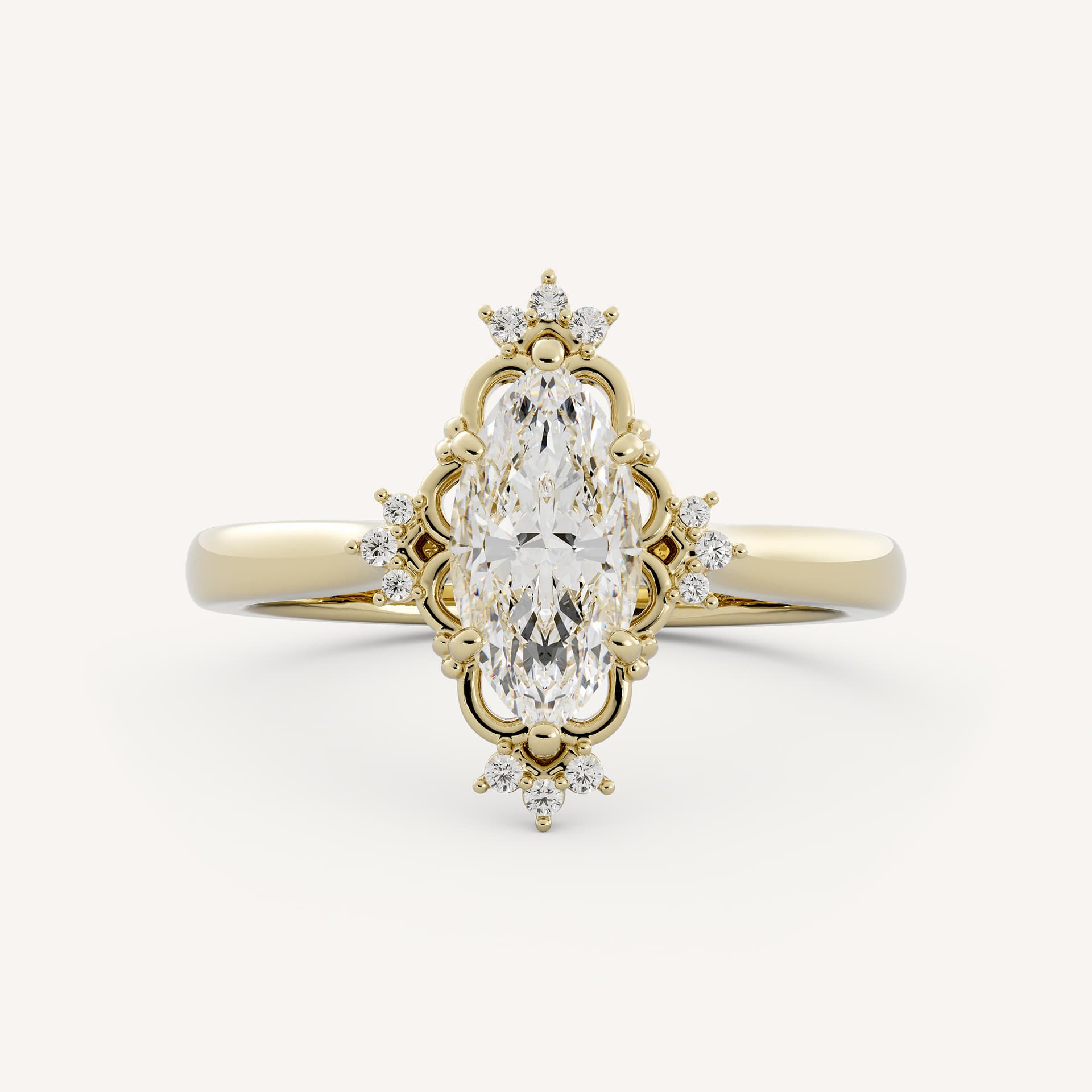
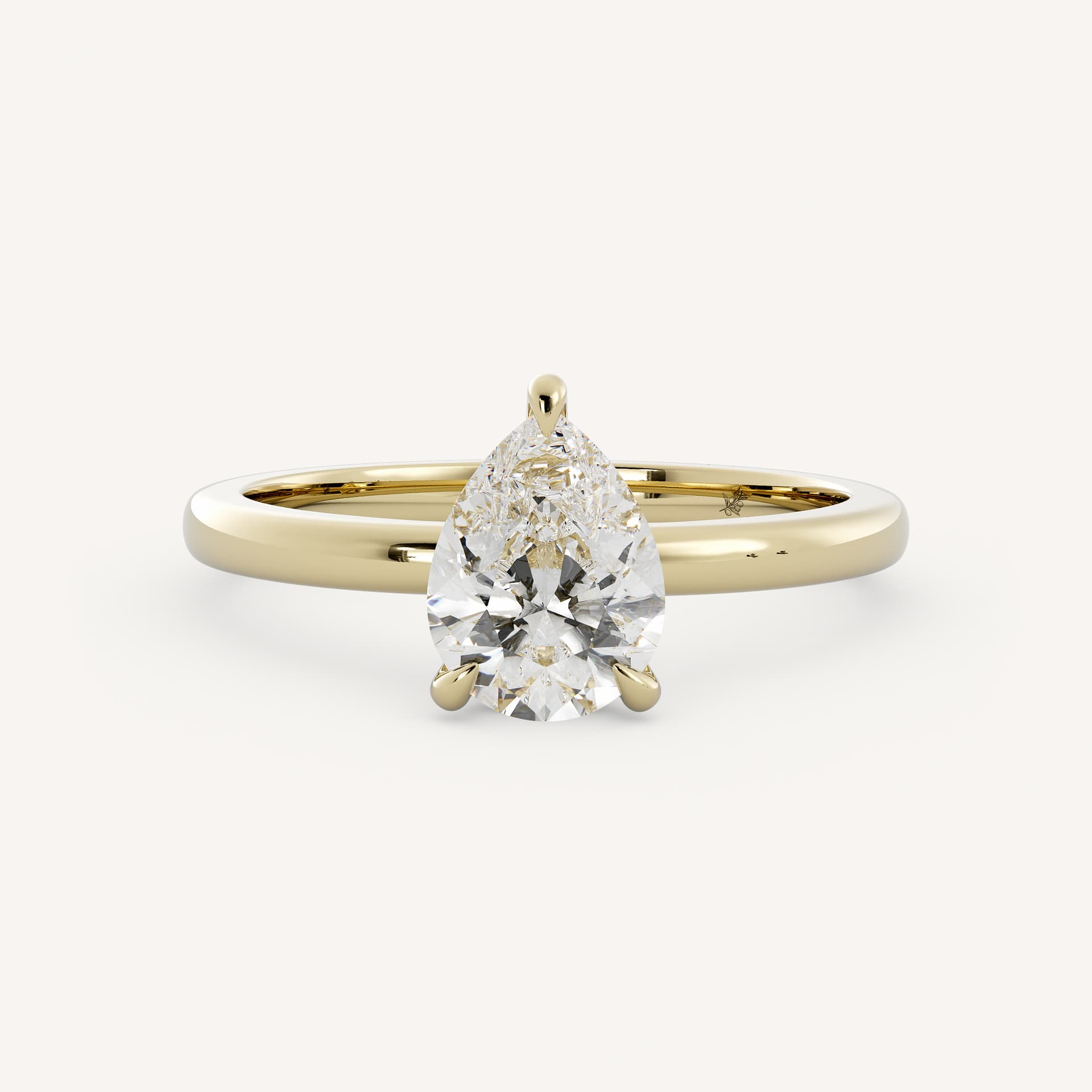
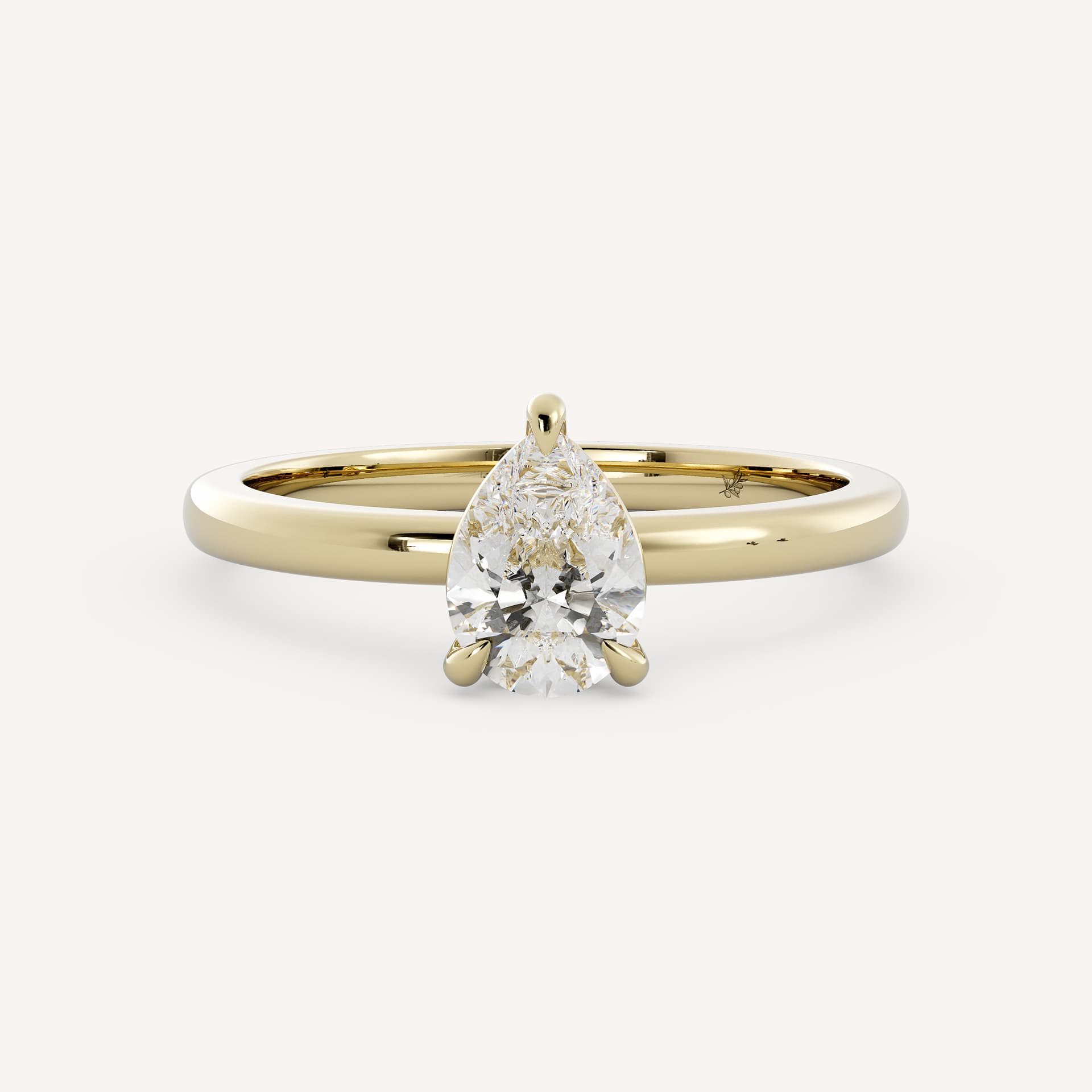
Libby wth a 7x5mm Moissanite in 14k Yellow Gold
How Durable Is Moissanite for Everyday Wear?
Moissanite ranks 9.5 on the Mohs hardness scale. Diamond is a 10, and nearly every other gemstone used in fine jewelry ranks below moissanite.
It won't fade, cloud or lose its sparkle over time. The stone you receive today will look the same decades from now.
The difference between a 9.5 and a 10 is measurable, but it has little impact on everyday wear. Mohs hardness measures scratch resistance between materials, and under normal conditions, moissanite performs well.

Will moissanite look different over time?
No. Moissanite is chemically stable and naturally durable. Its sparkle comes from the way the stone is formed, not from a surface coating or treatment that wears away. Routine cleaning with mild soap and water is all it needs, just like any other fine jewelry.
Moissanite vs. Diamond: An Honest Side-by-Side
Many comparisons are written to convince you that one stone is better than the other.
The truth is simpler. Moissanite and diamond are both durable, beautiful choices for an engagement ring. The better option depends on what matters most to you.
Appearance: Moissanite and diamond look nearly identical. Viewed side by side in bright light, moissanite shows more colorful fire while diamond reflects more white light. The difference is easiest to notice in larger stones, and harder to see in smaller sizes or everyday lighting.
Earlier generations of moissanite sometimes showed a slight yellow or green tint. Modern colorless moissanite, including our Always Moissanite line, uses only D to F color stones for a bright white appearance.
Cost: Although the price difference between lab-grown diamonds and moissanite has narrowed, moissanite remains the more affordable option. Choosing moissanite may allow for a larger center stone, a more detailed setting or room in the budget for other priorities. There isn't a single right way to spend on an engagement ring.
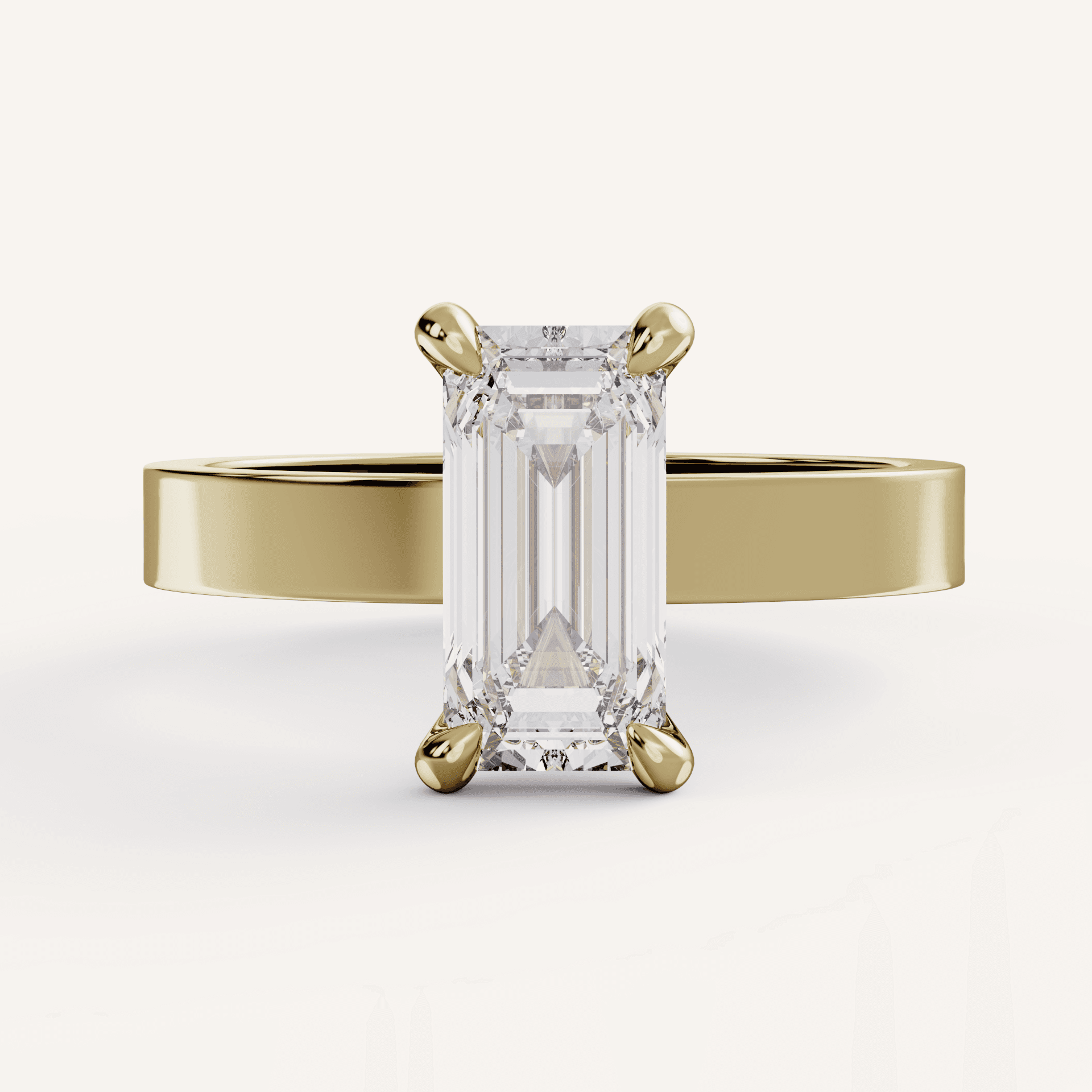
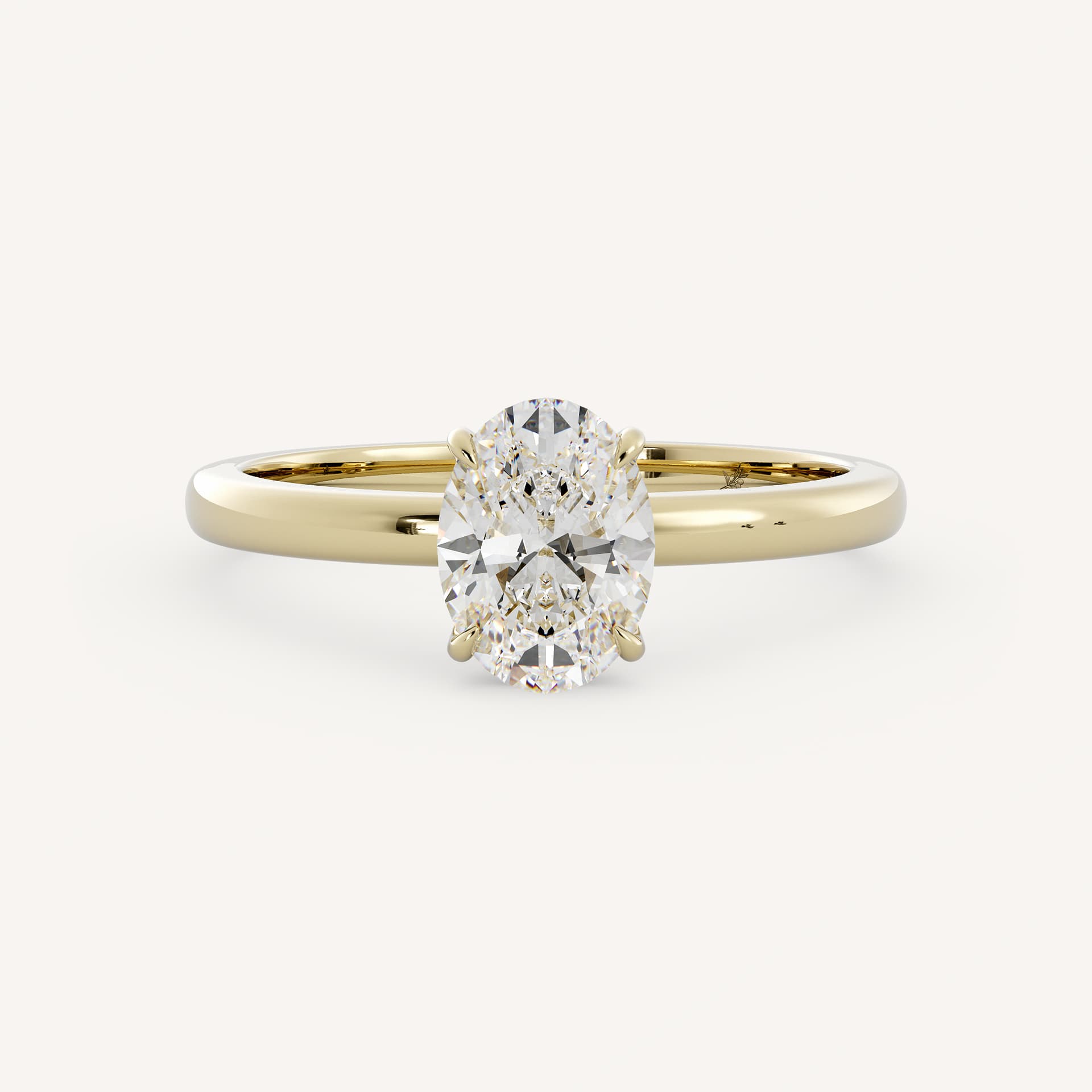
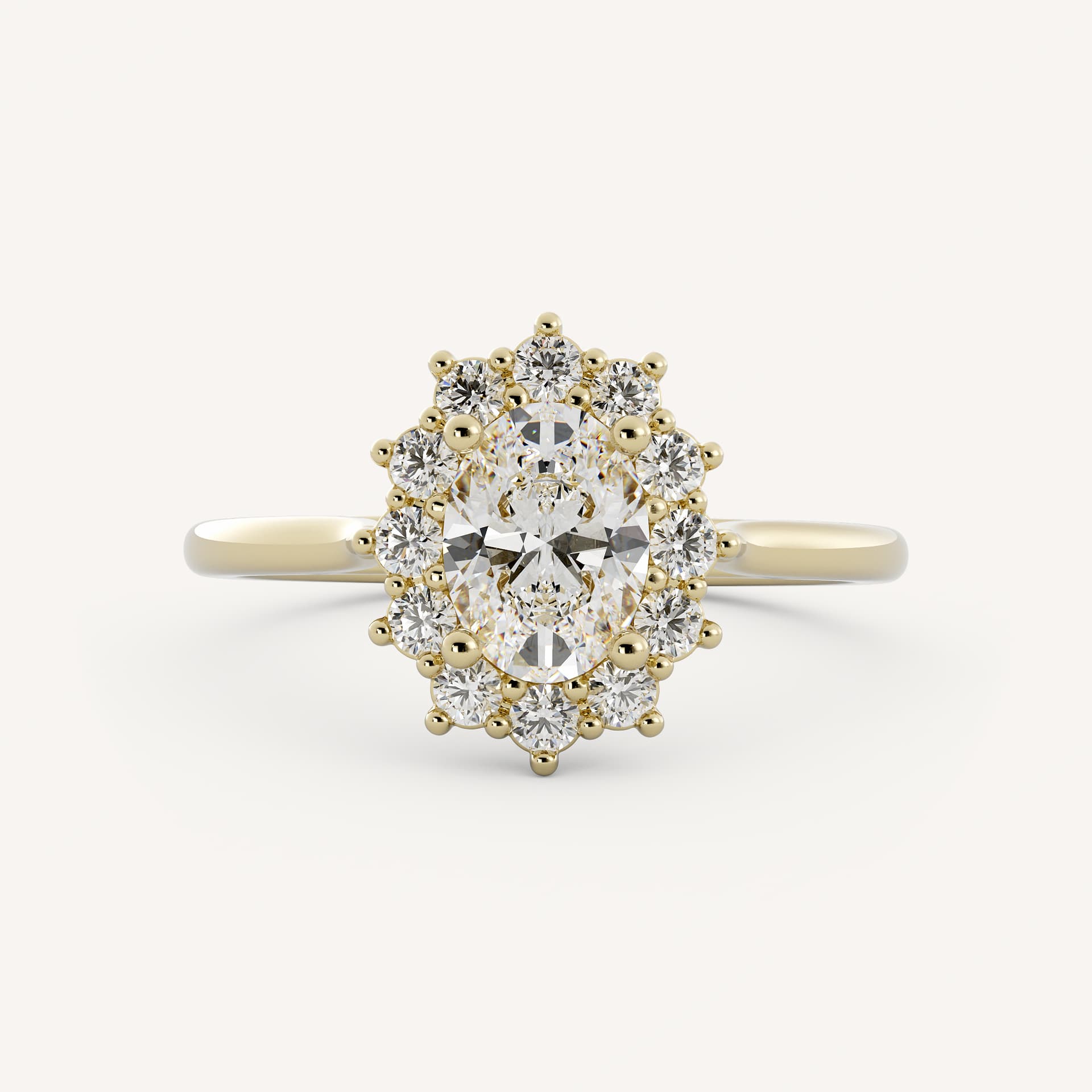
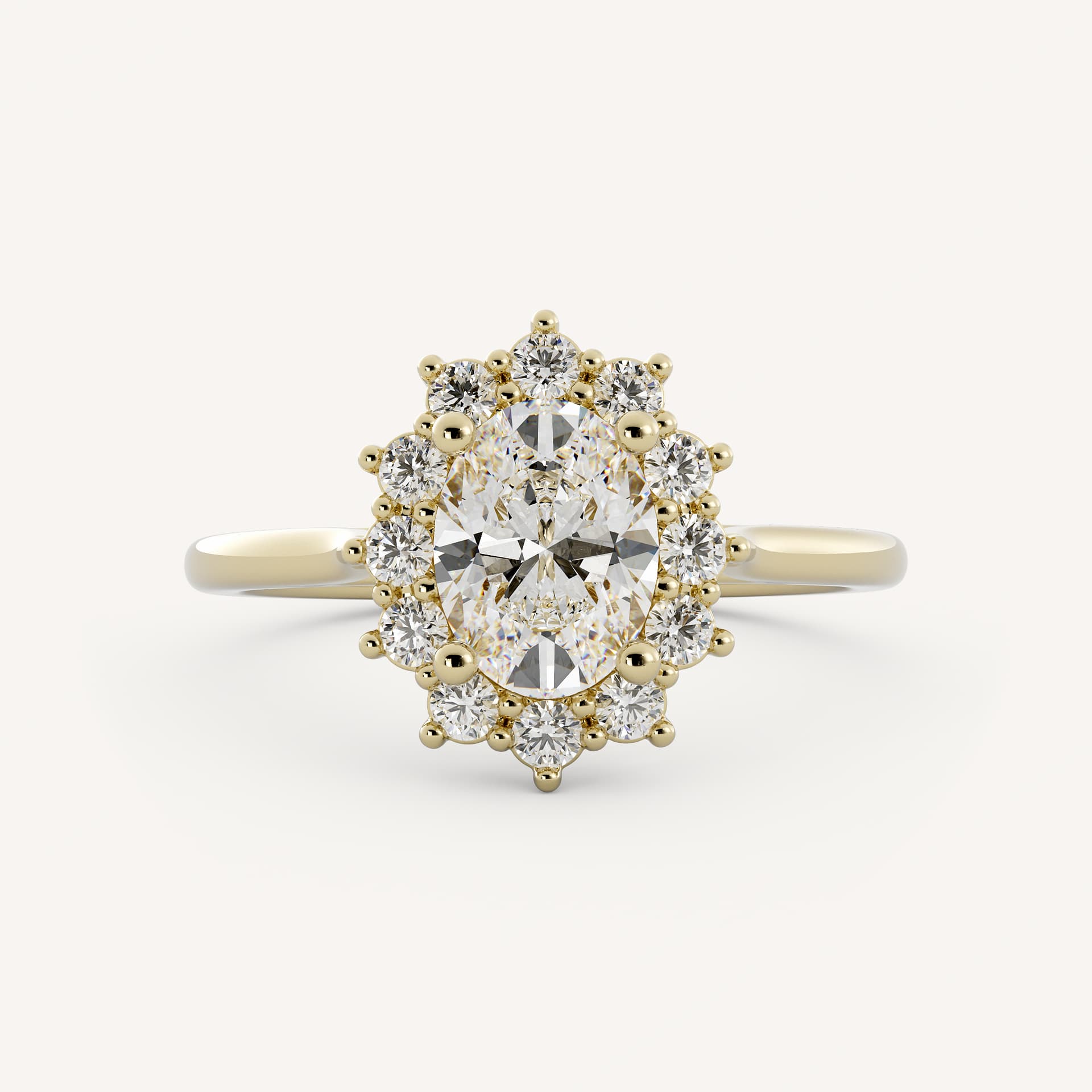
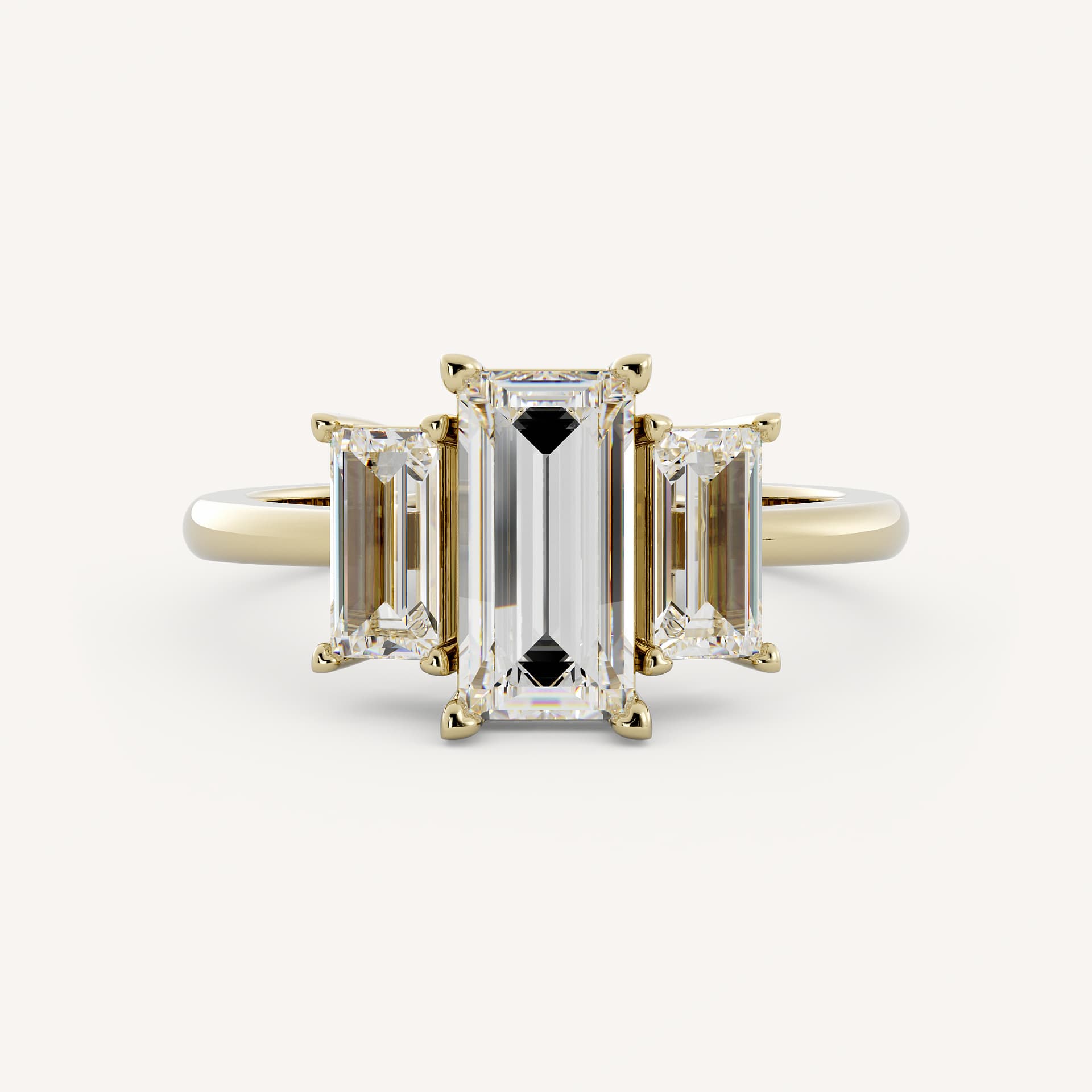
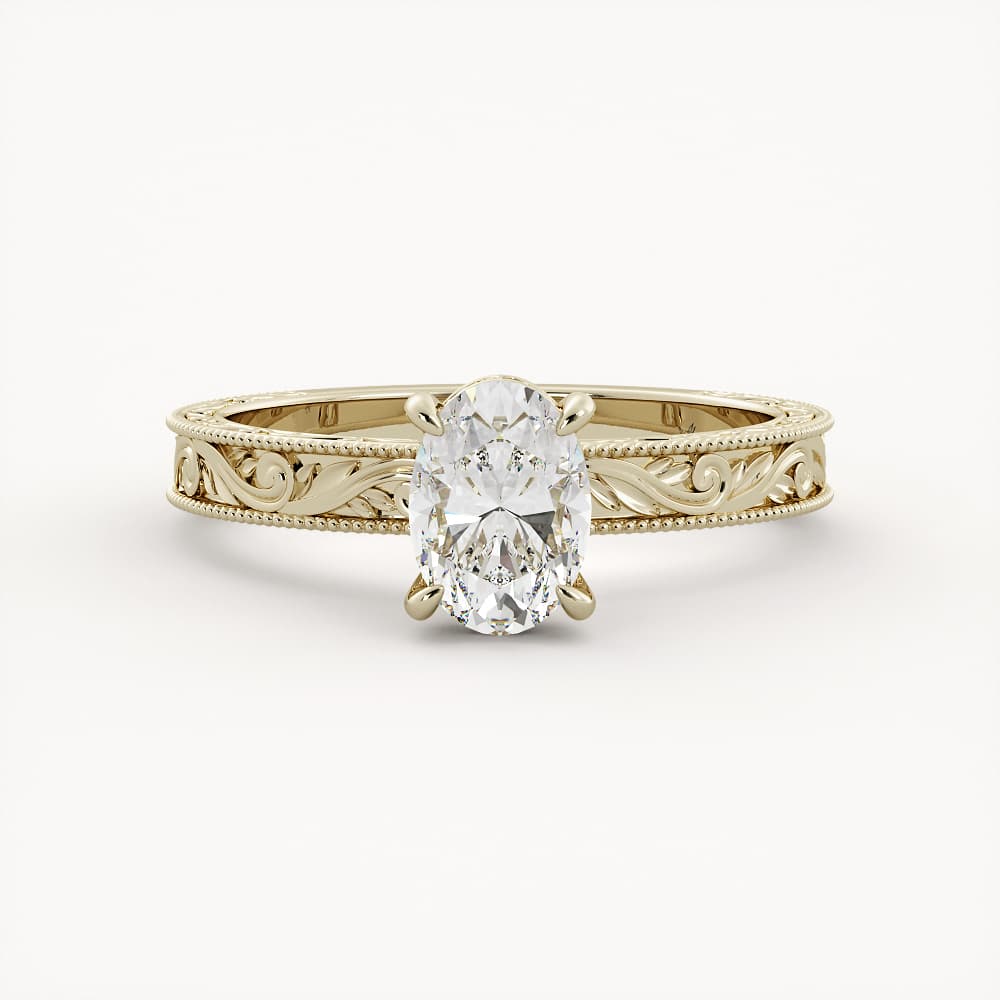
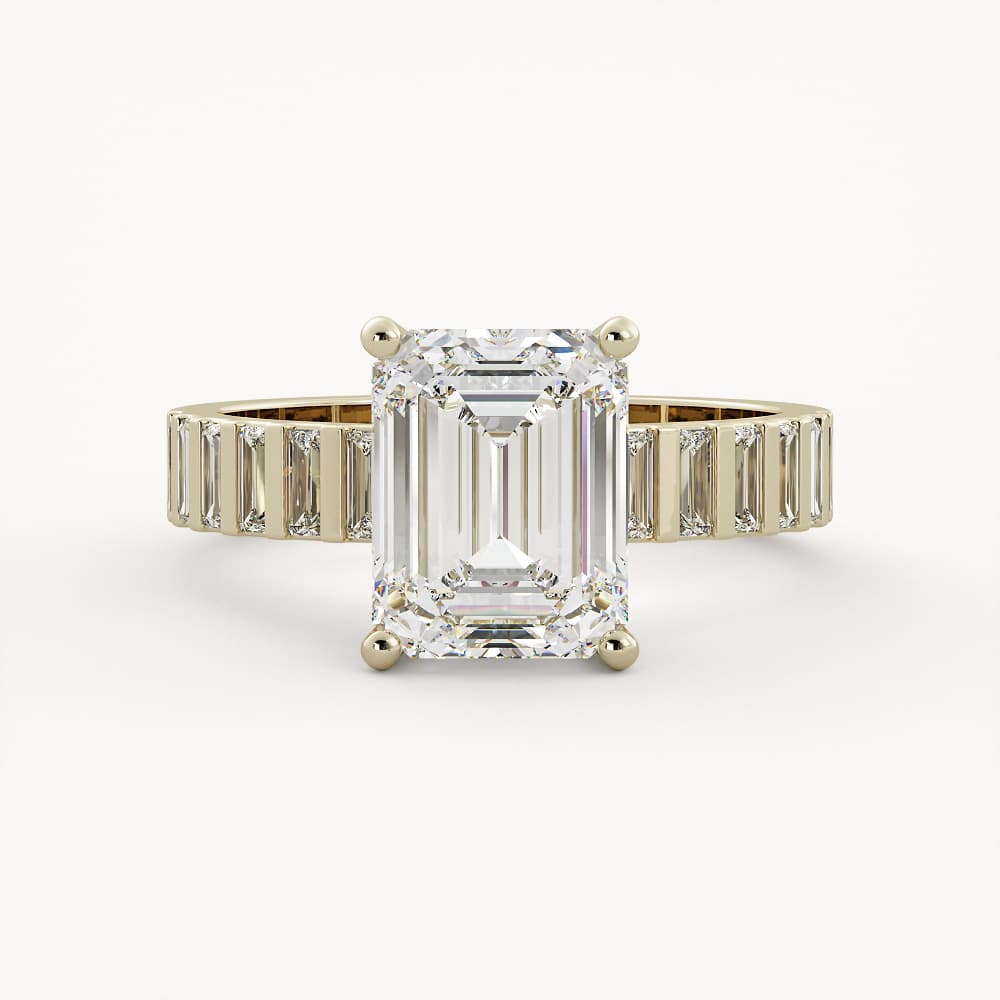
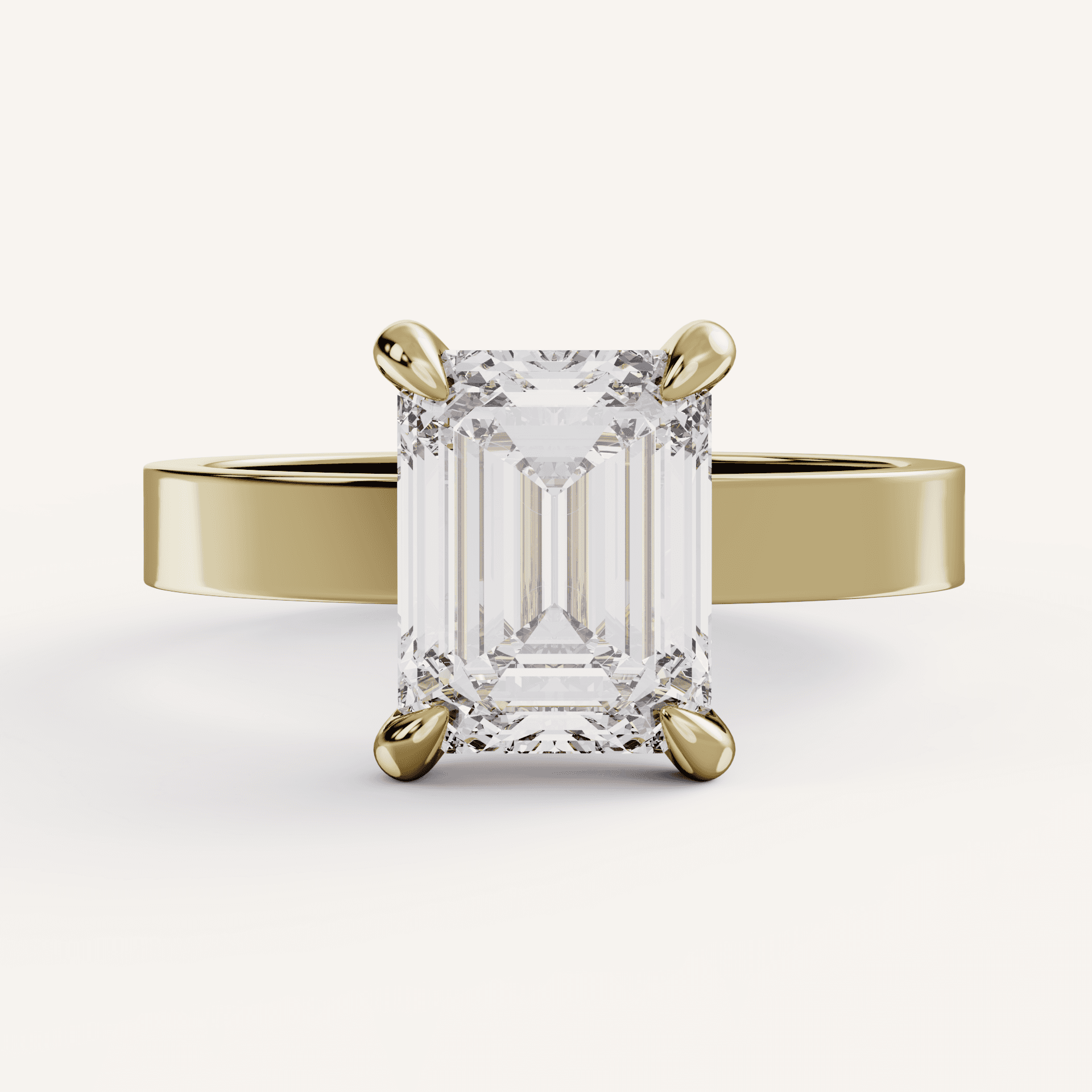
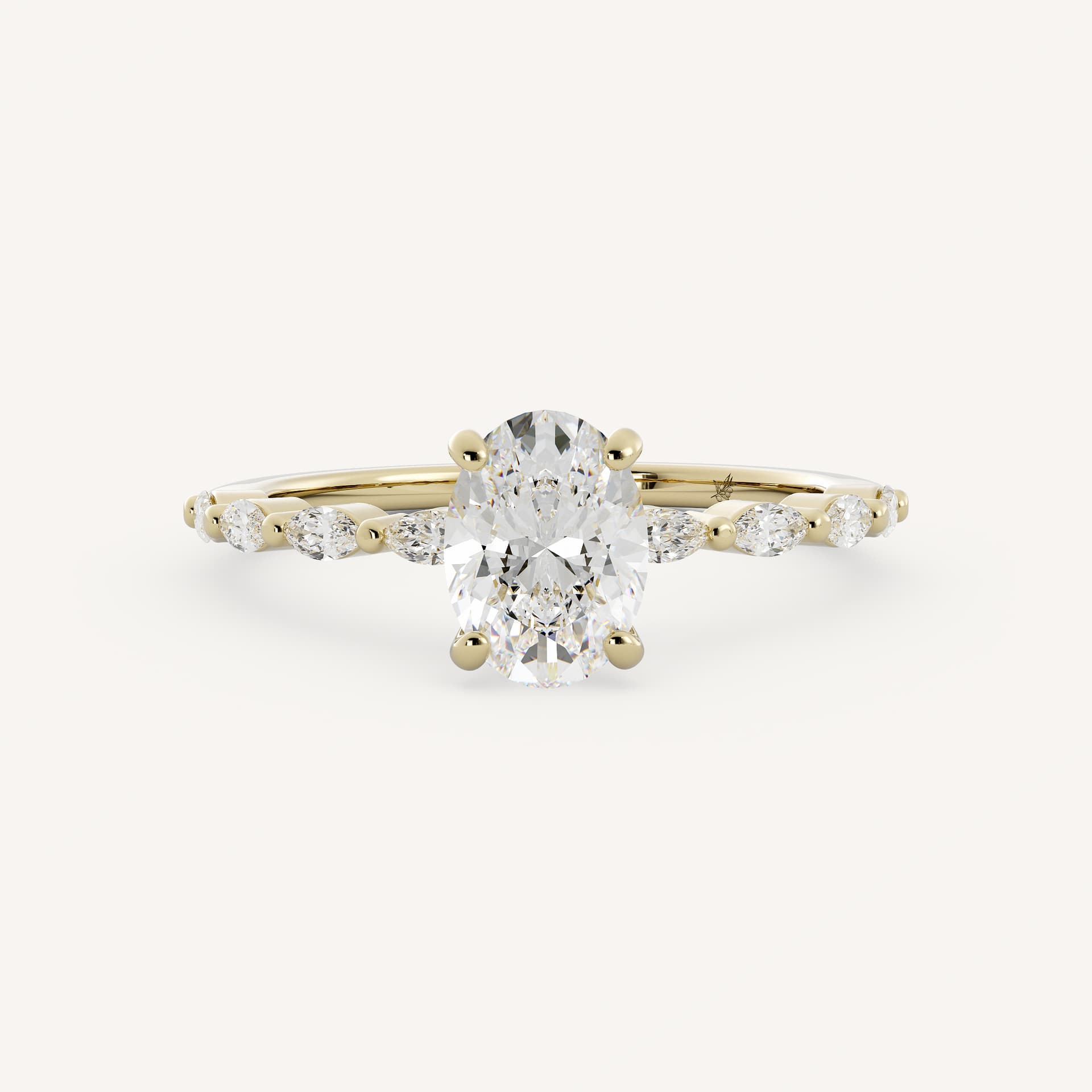
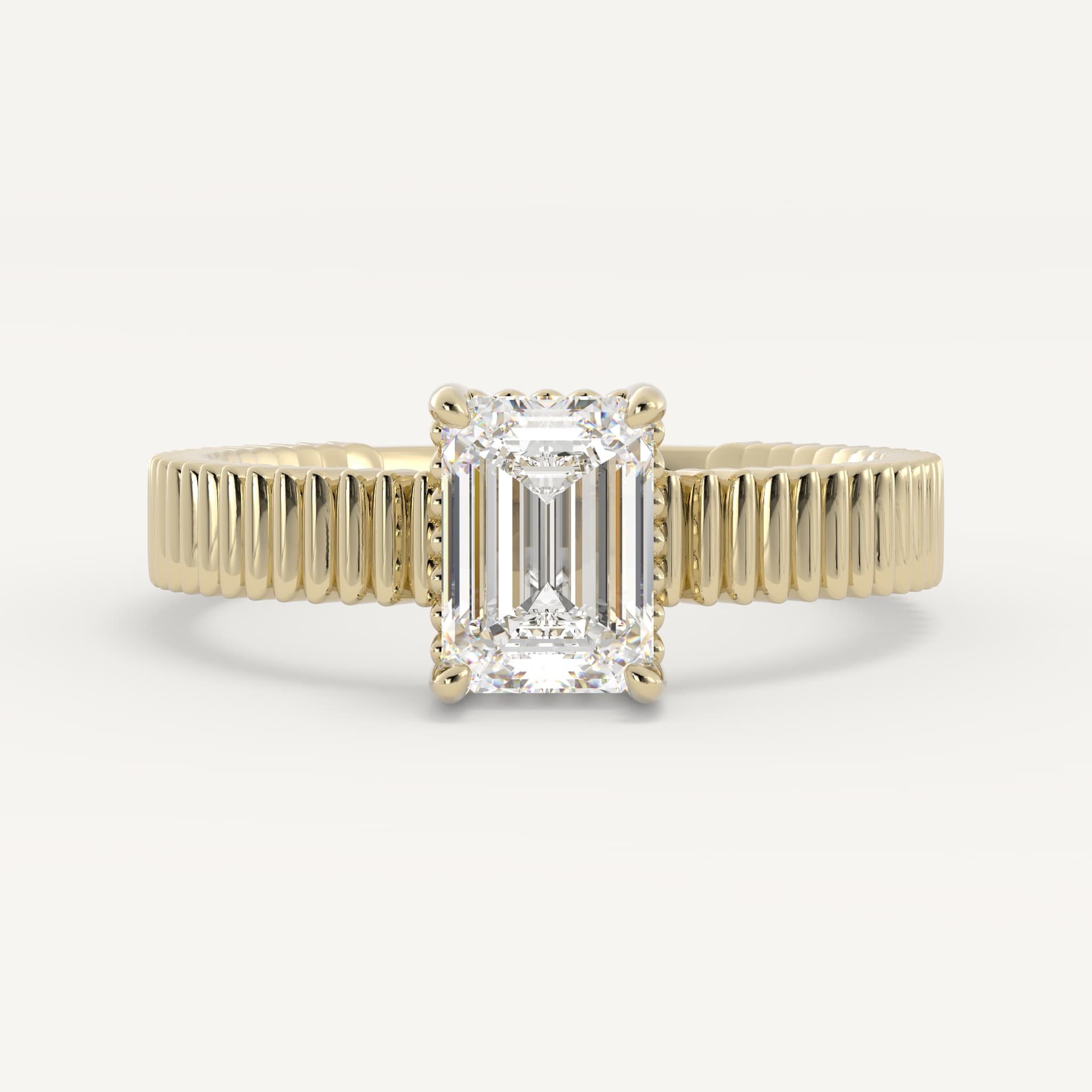
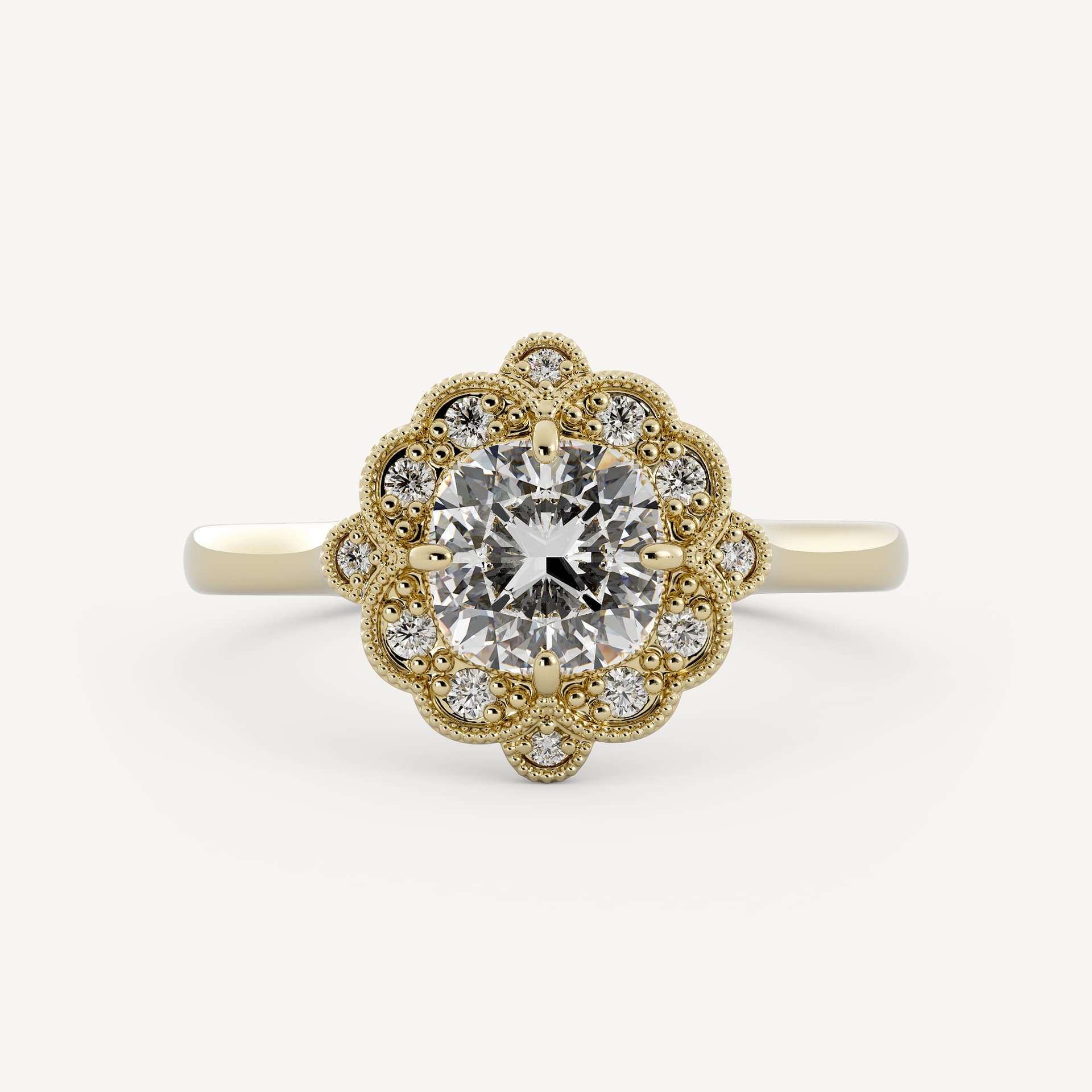
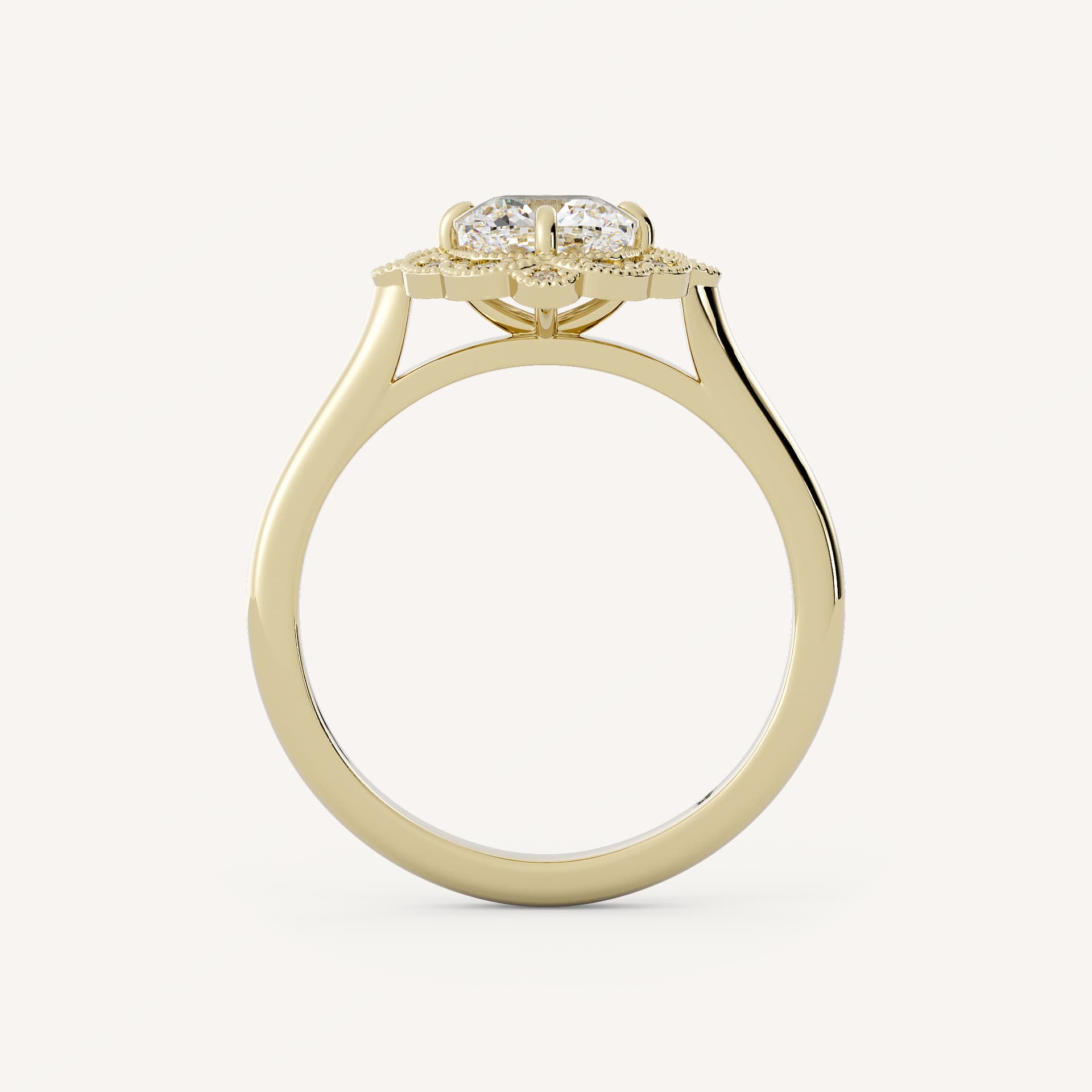
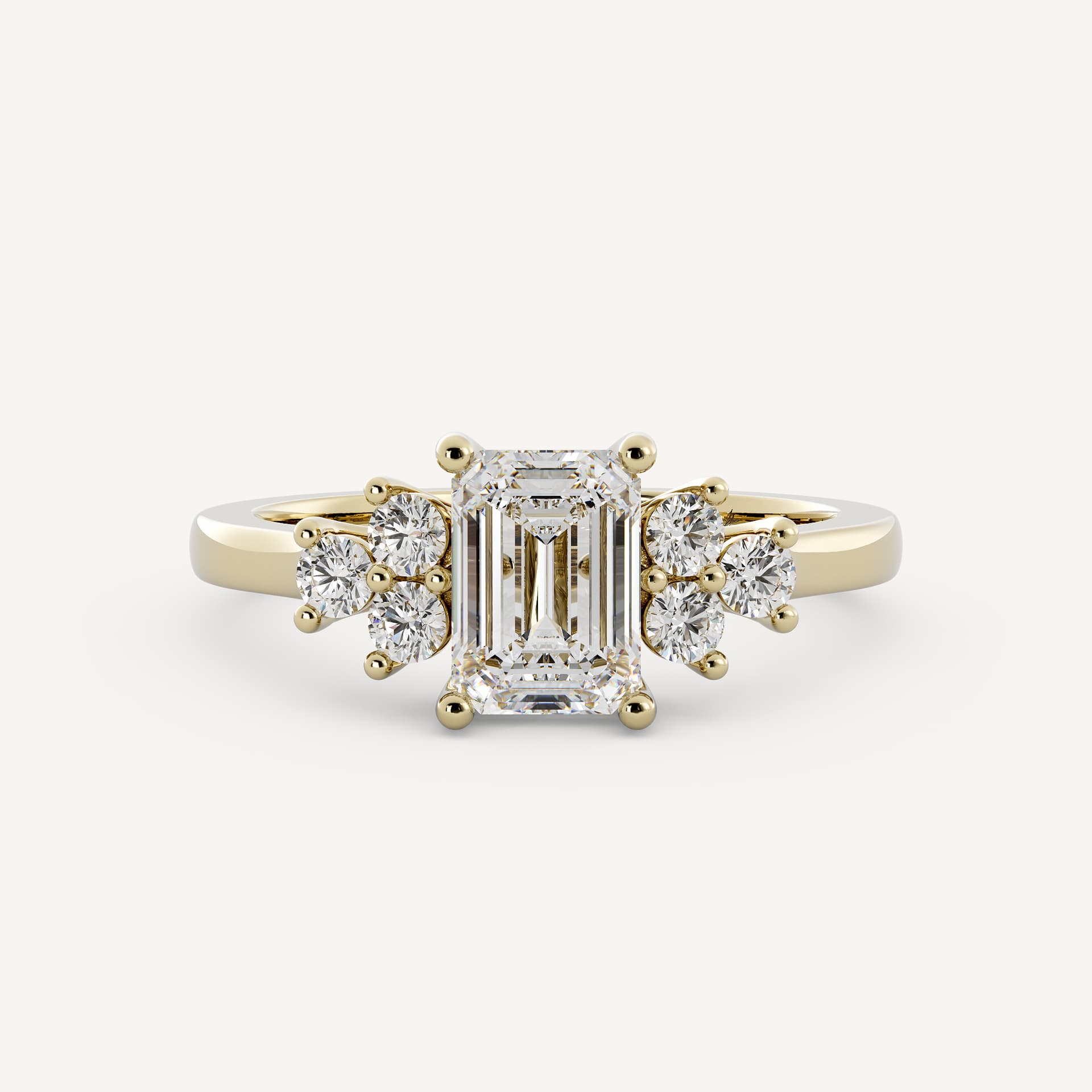
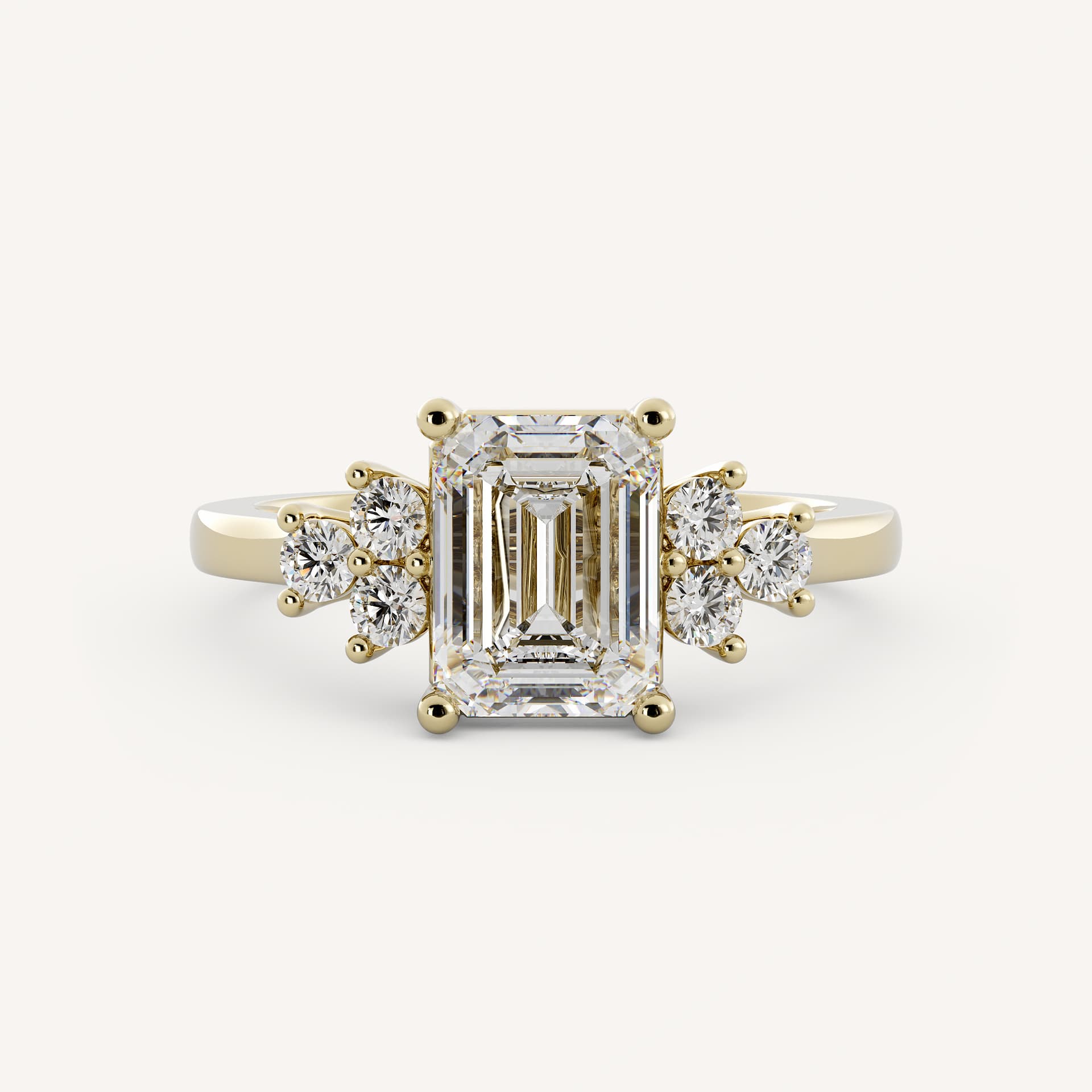
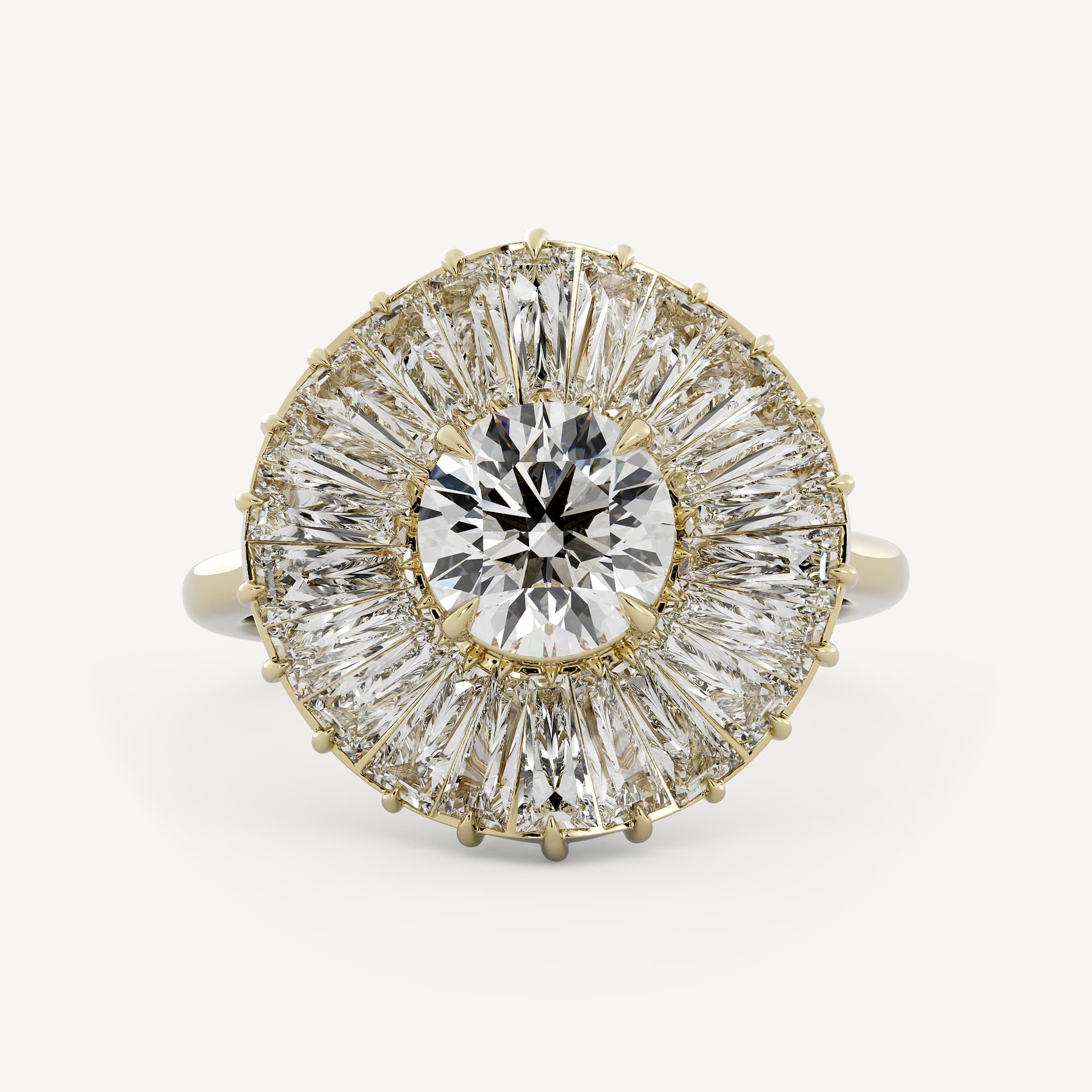
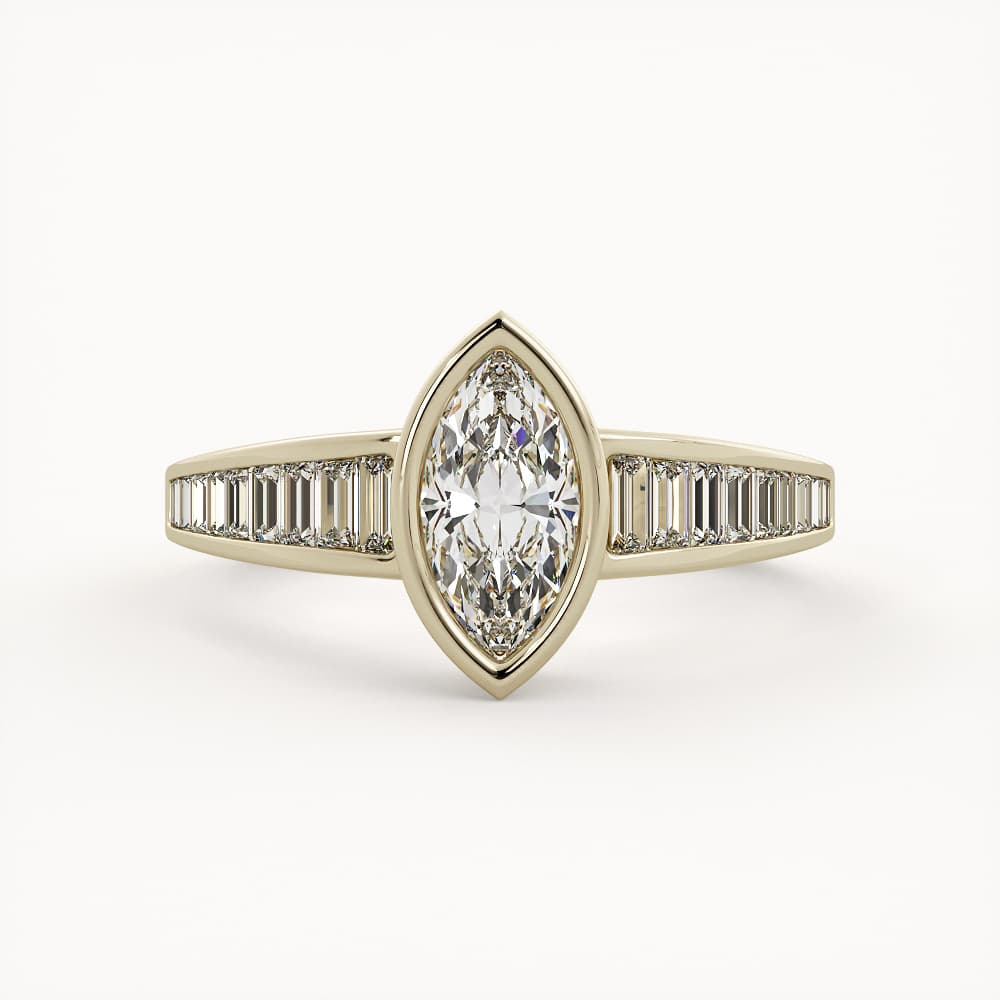
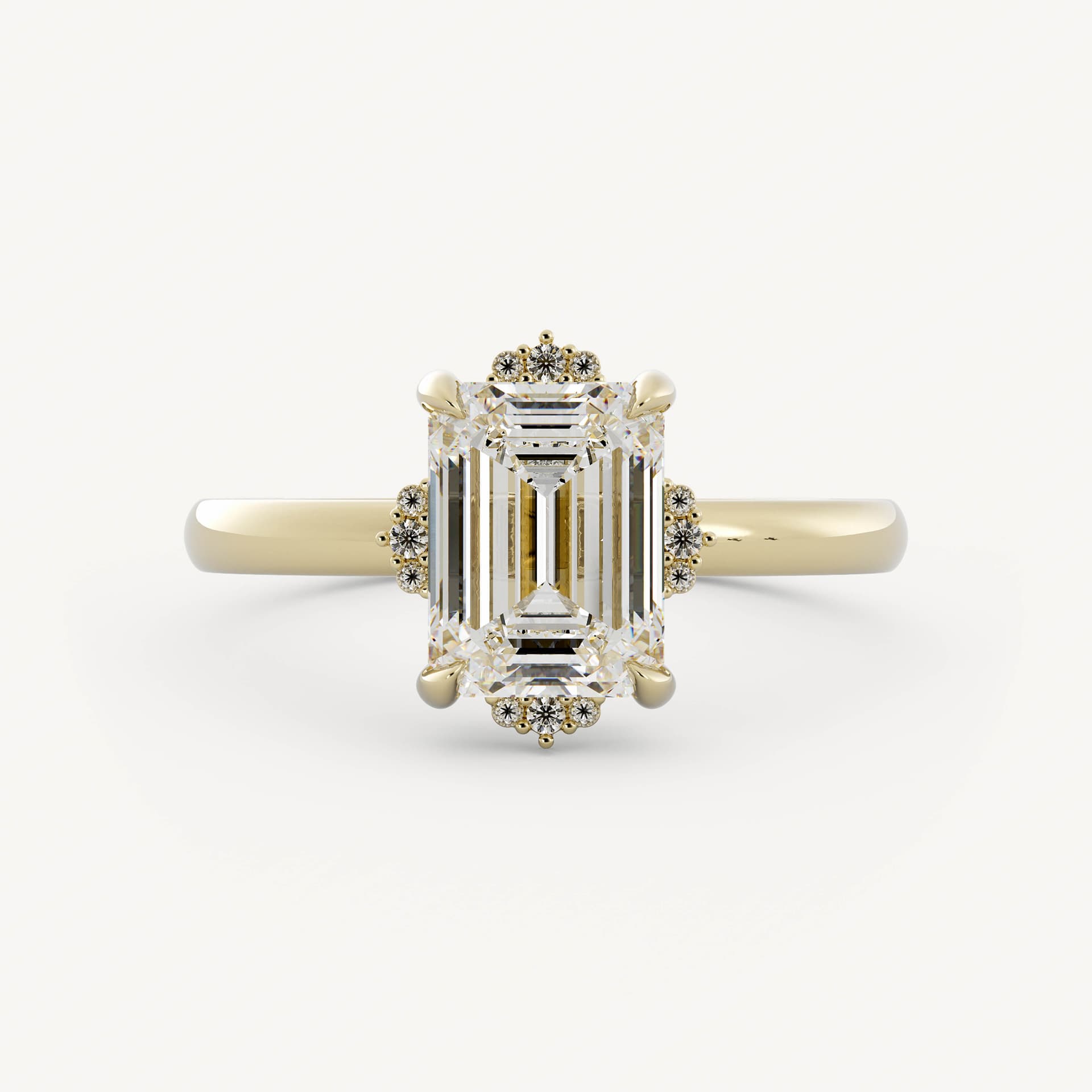
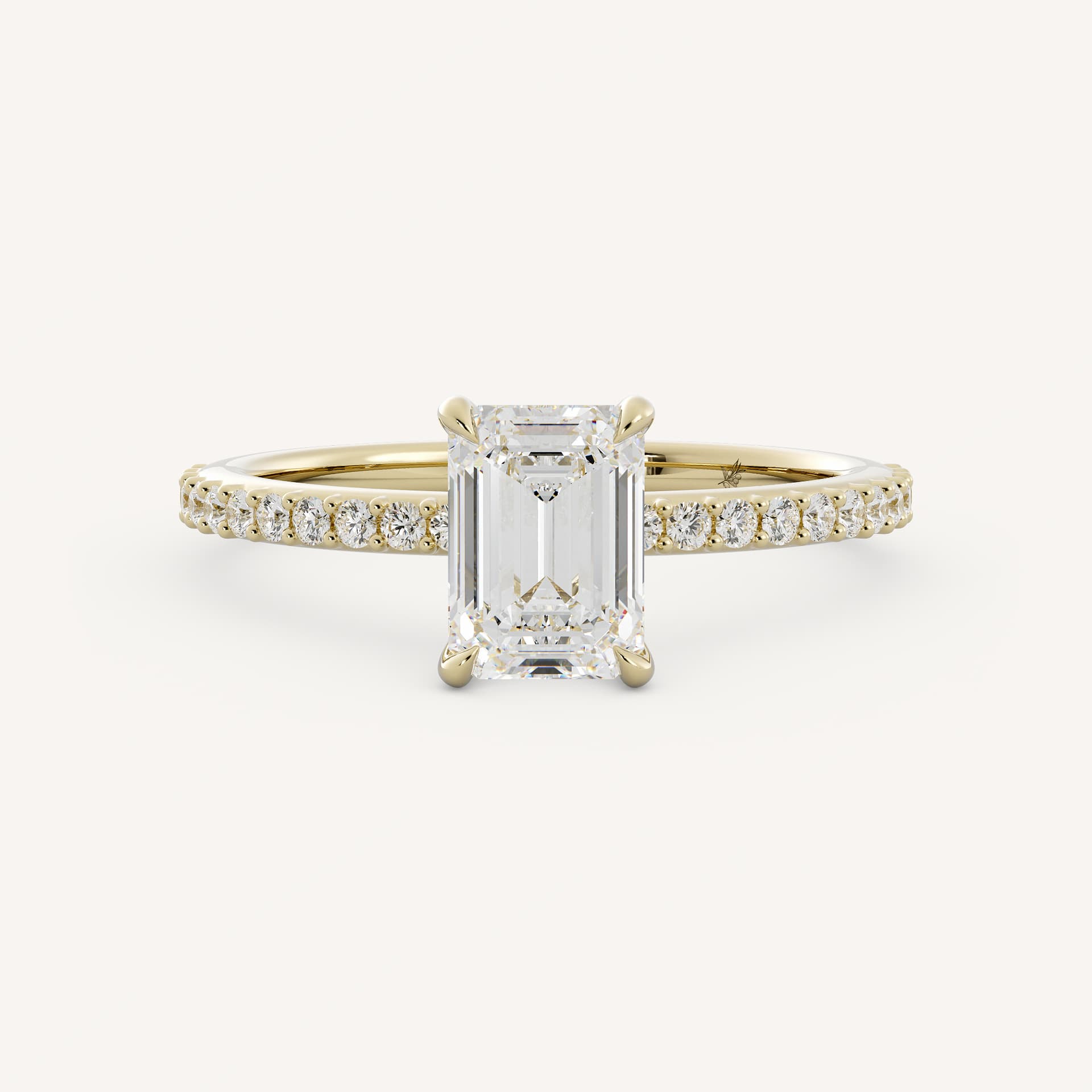
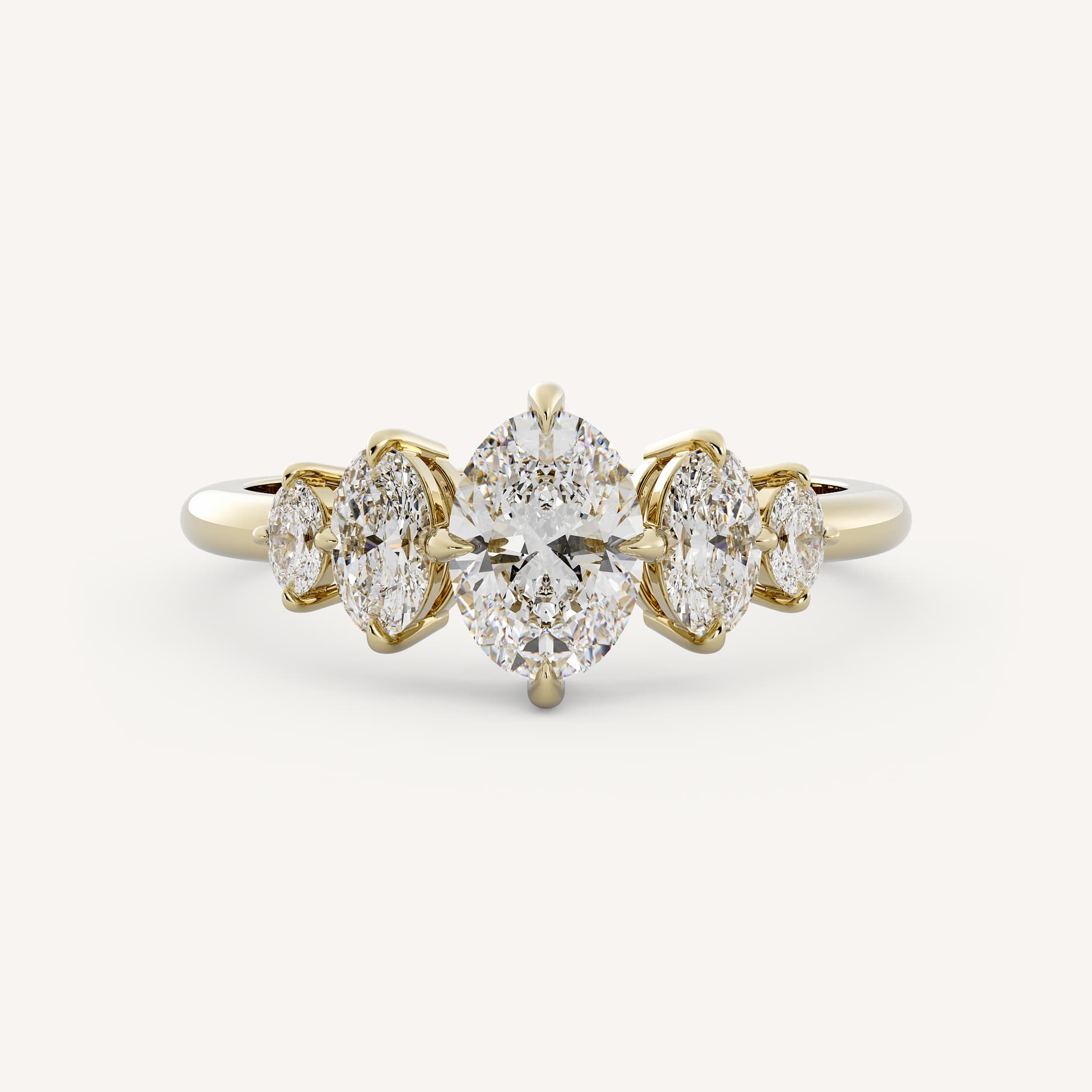
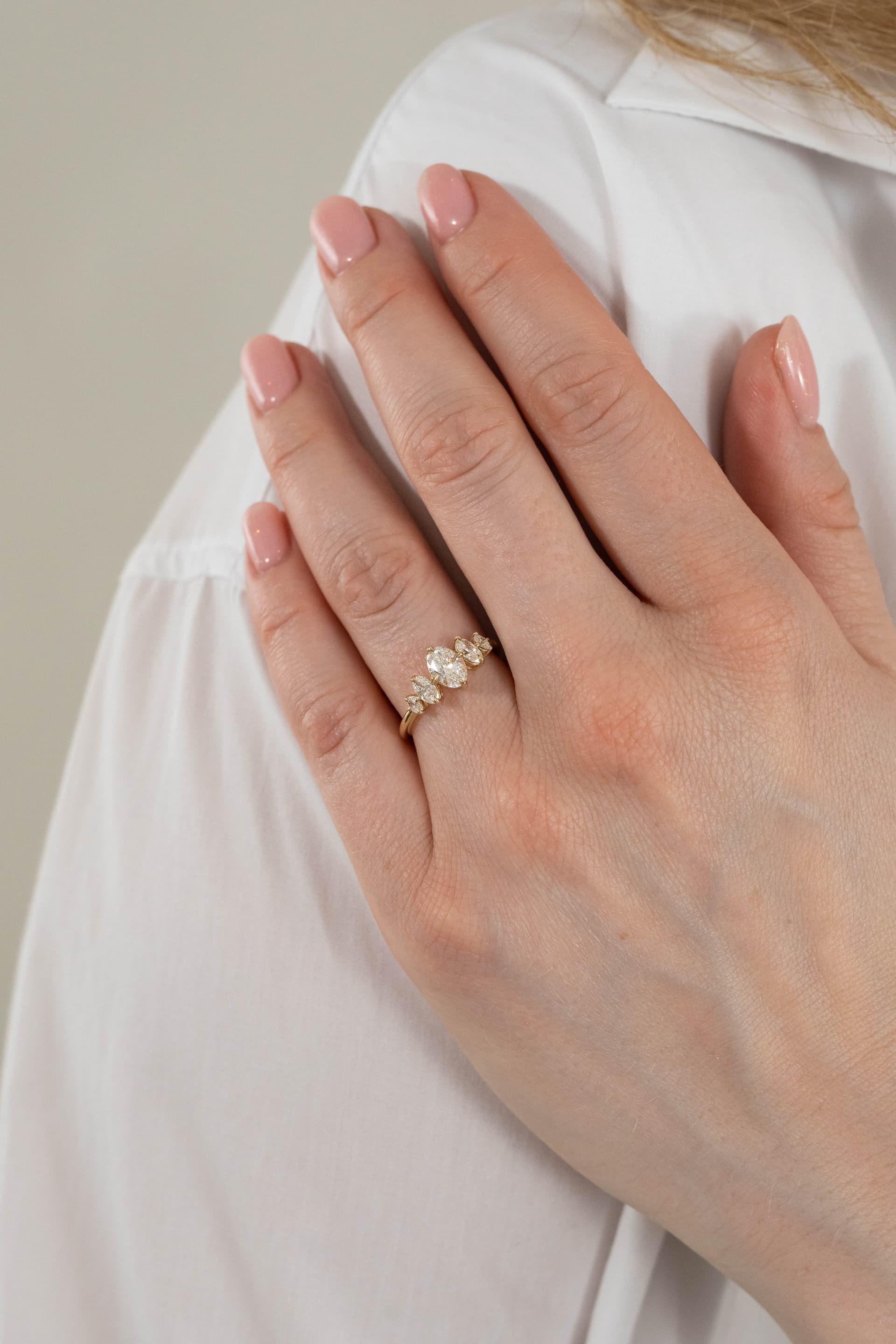
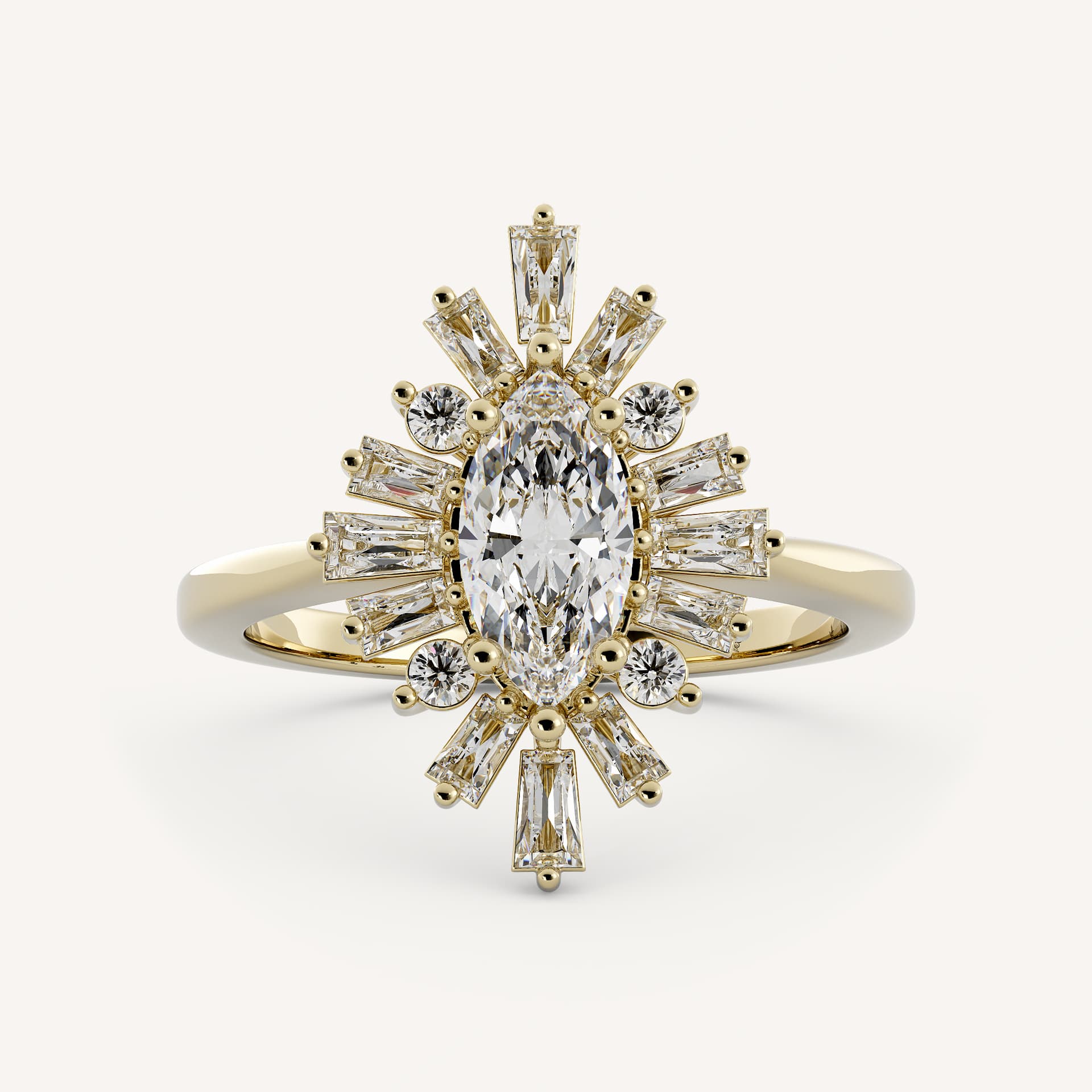
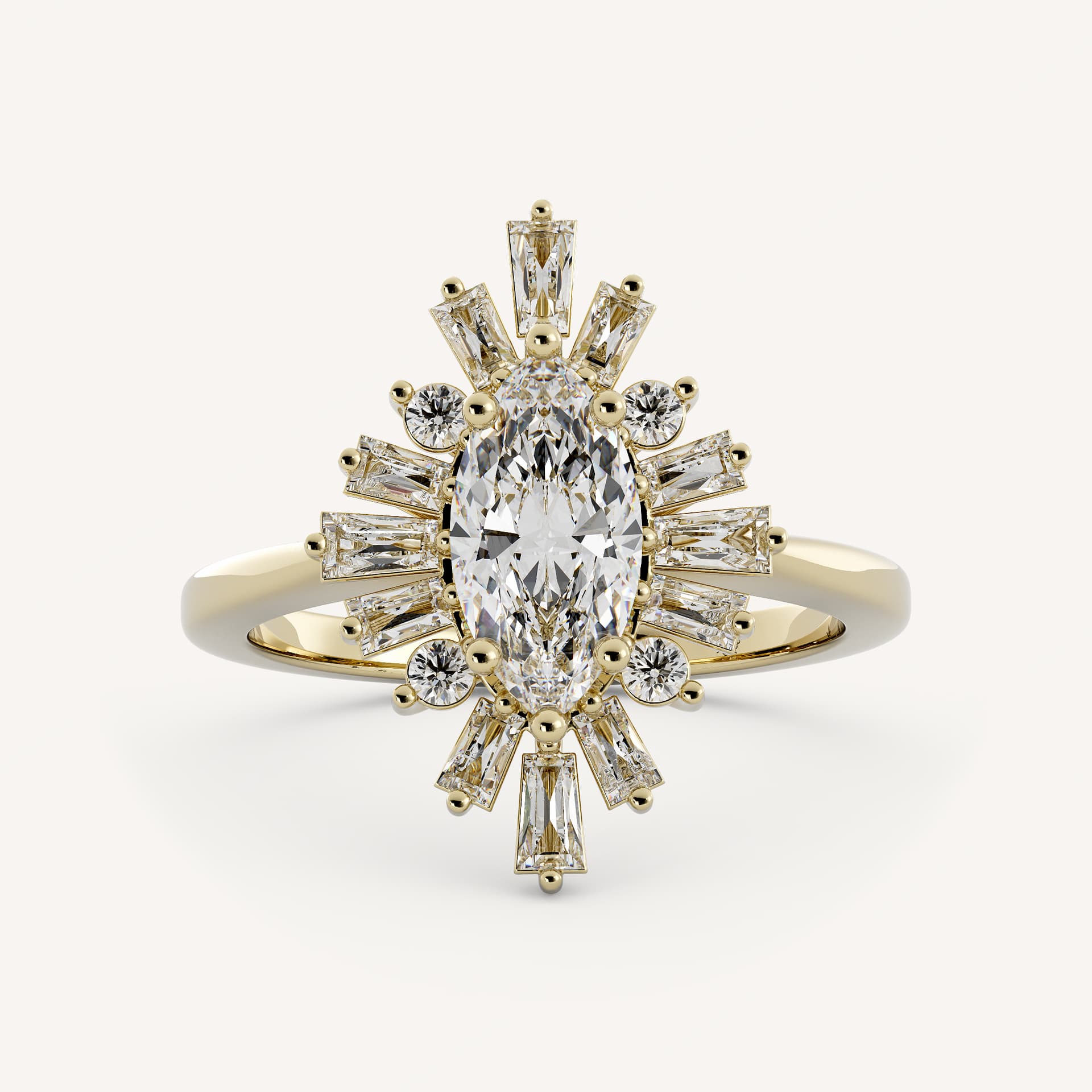
Emerson with a 1.00ct Lab Diamond in 14K Yellow Gold
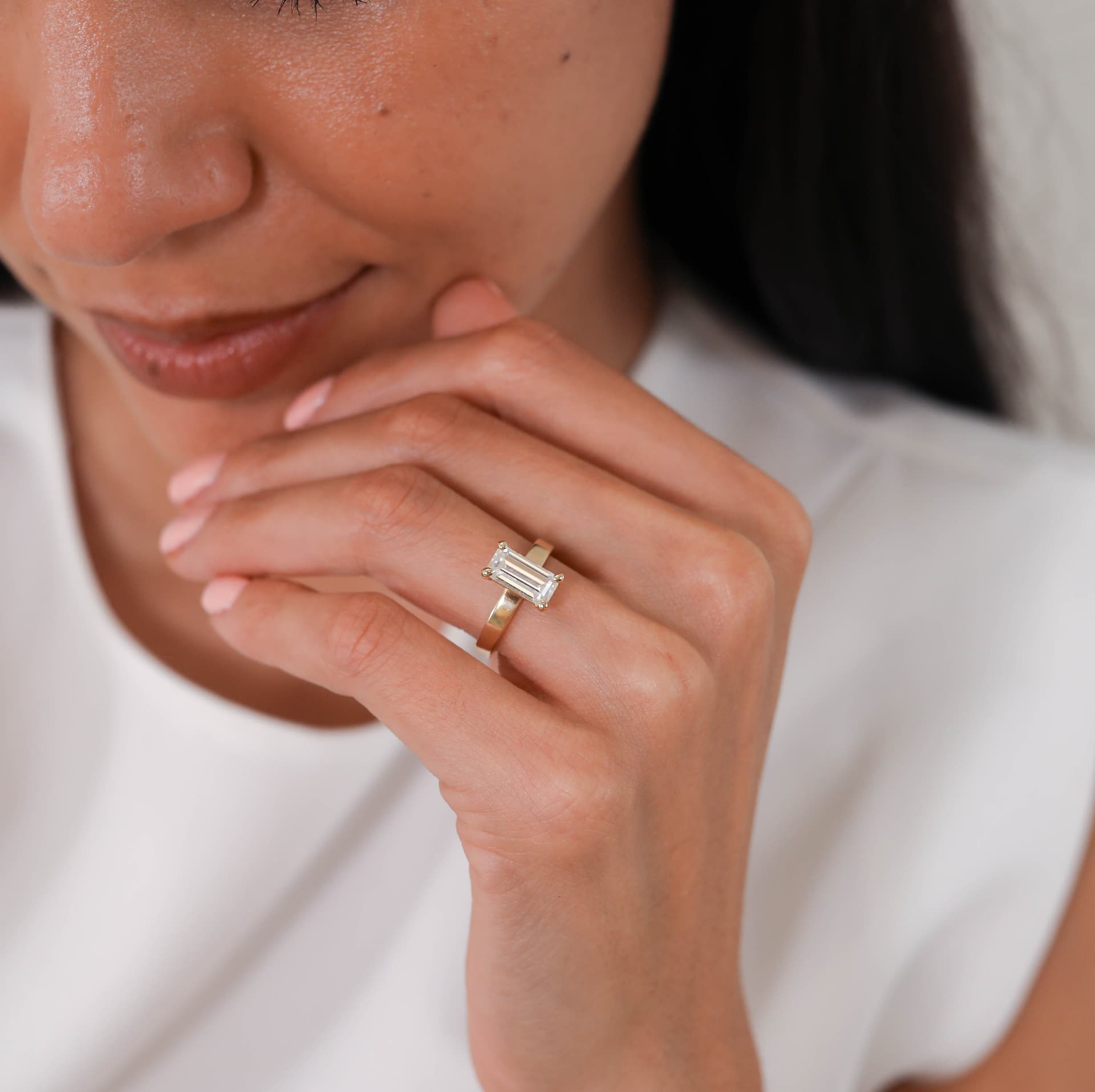
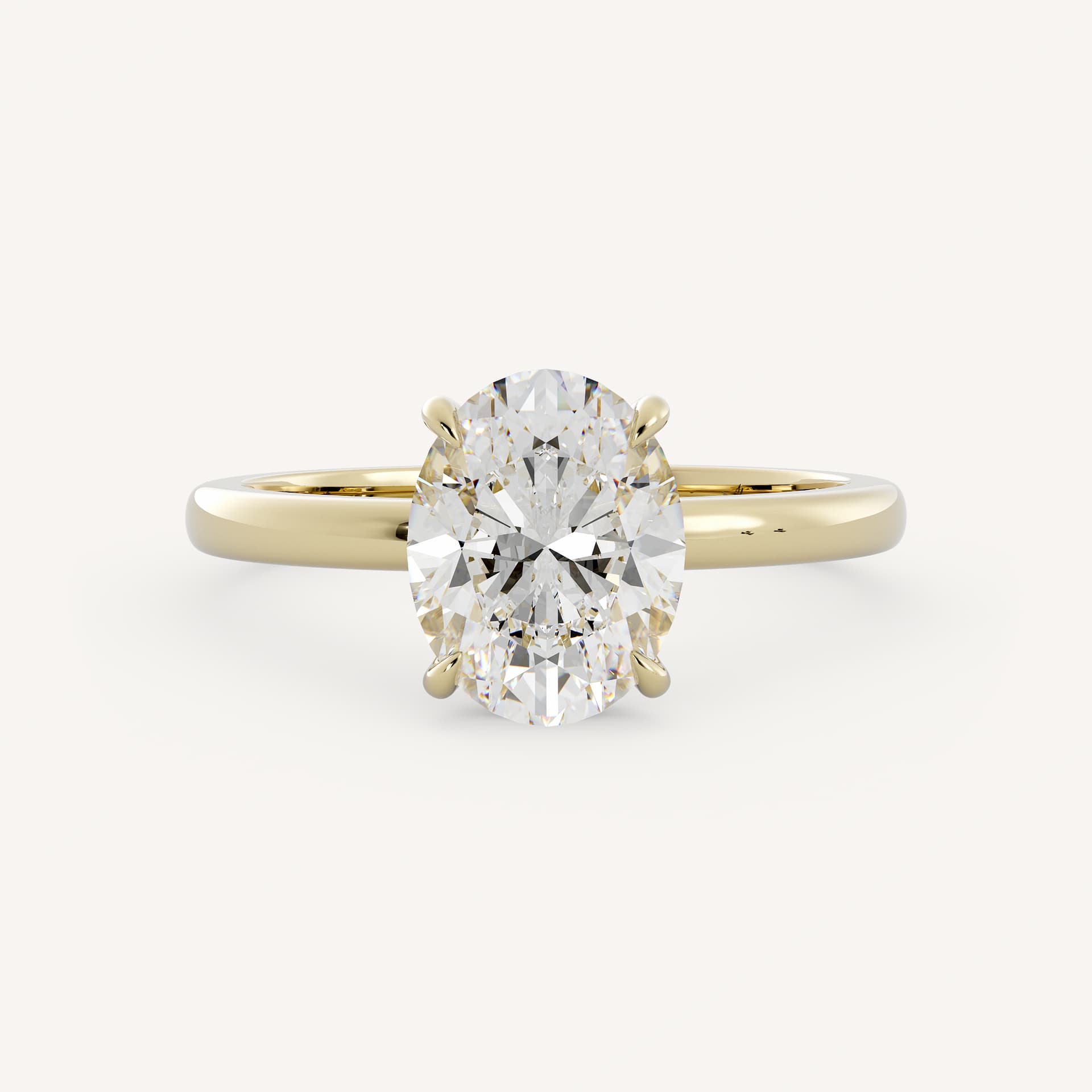
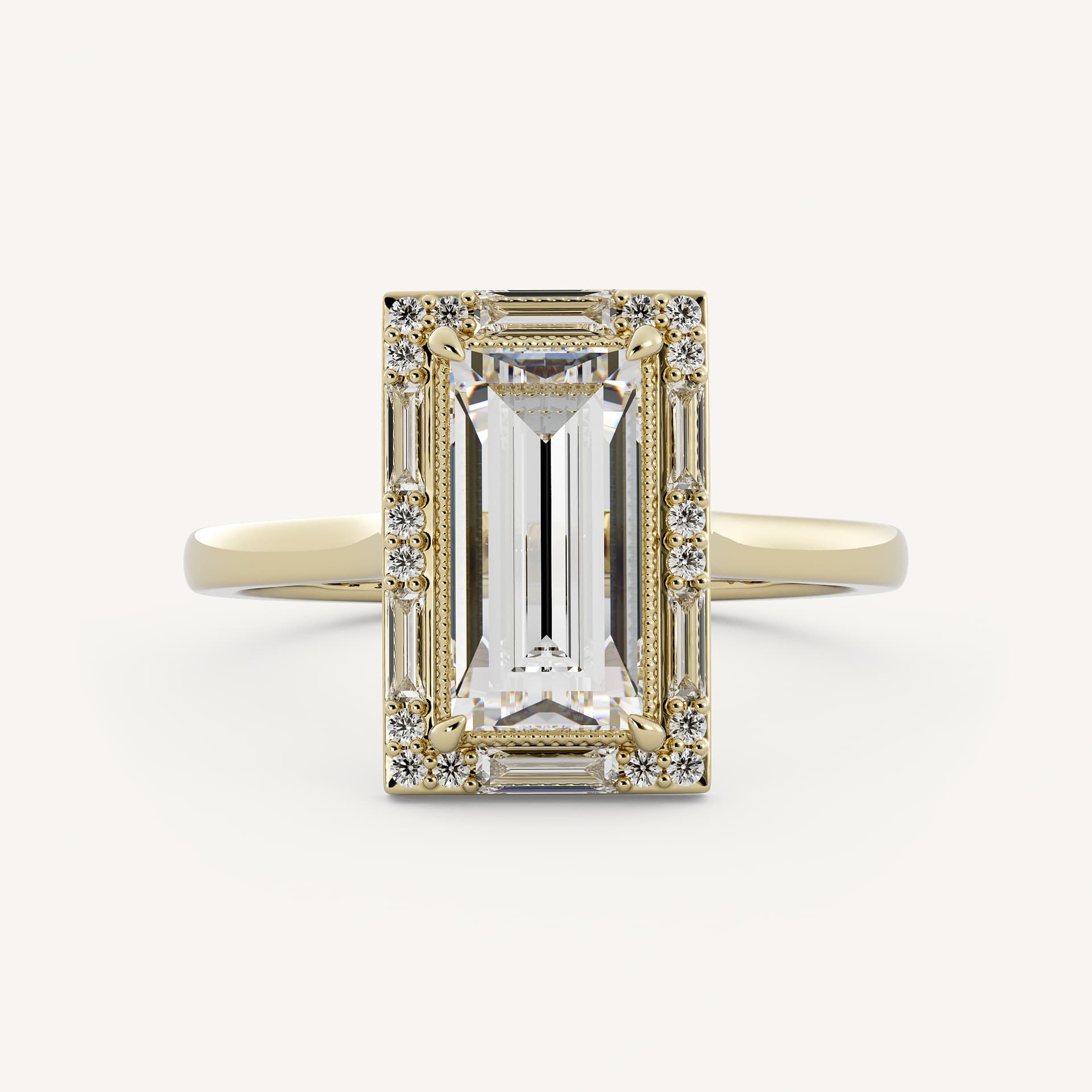
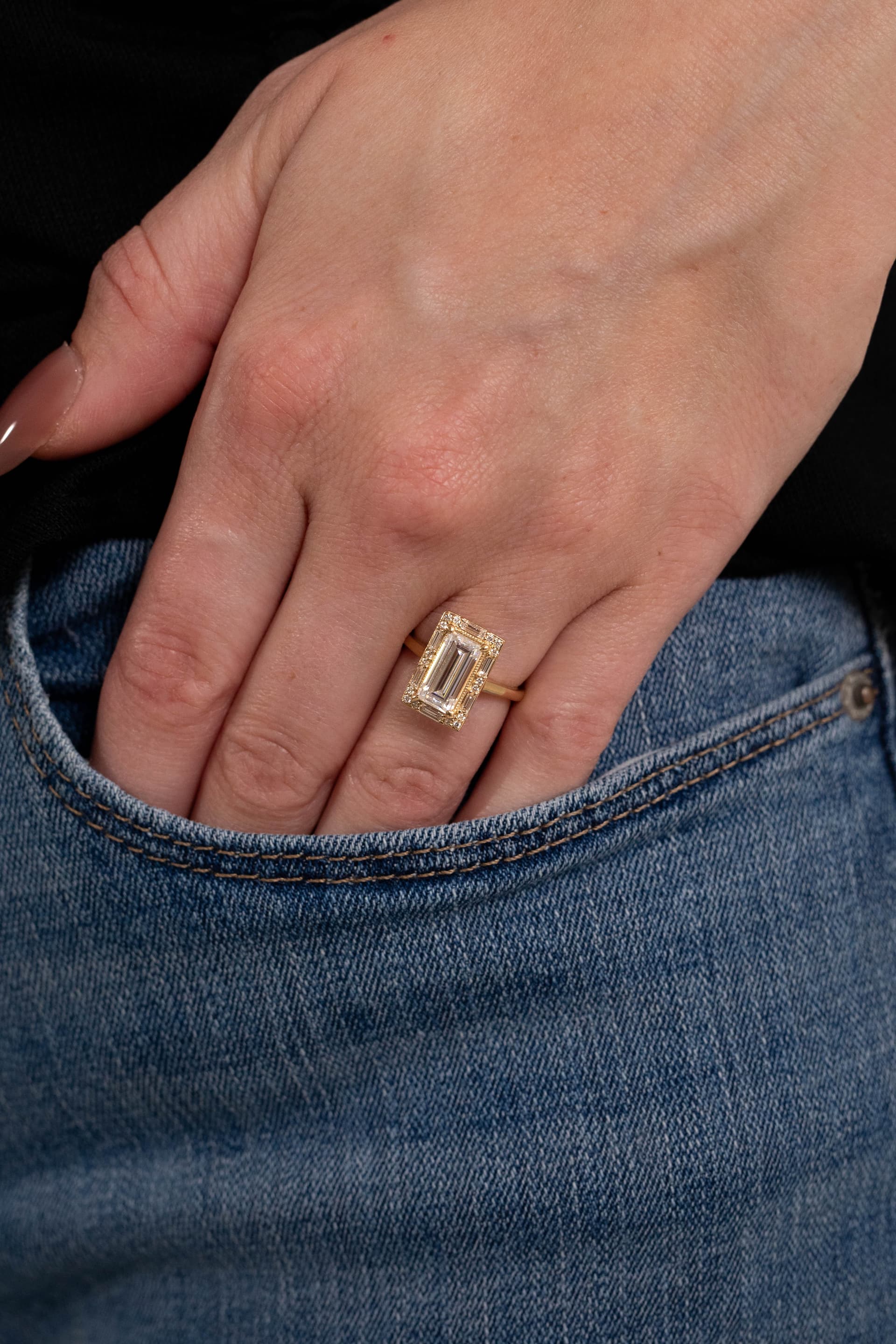
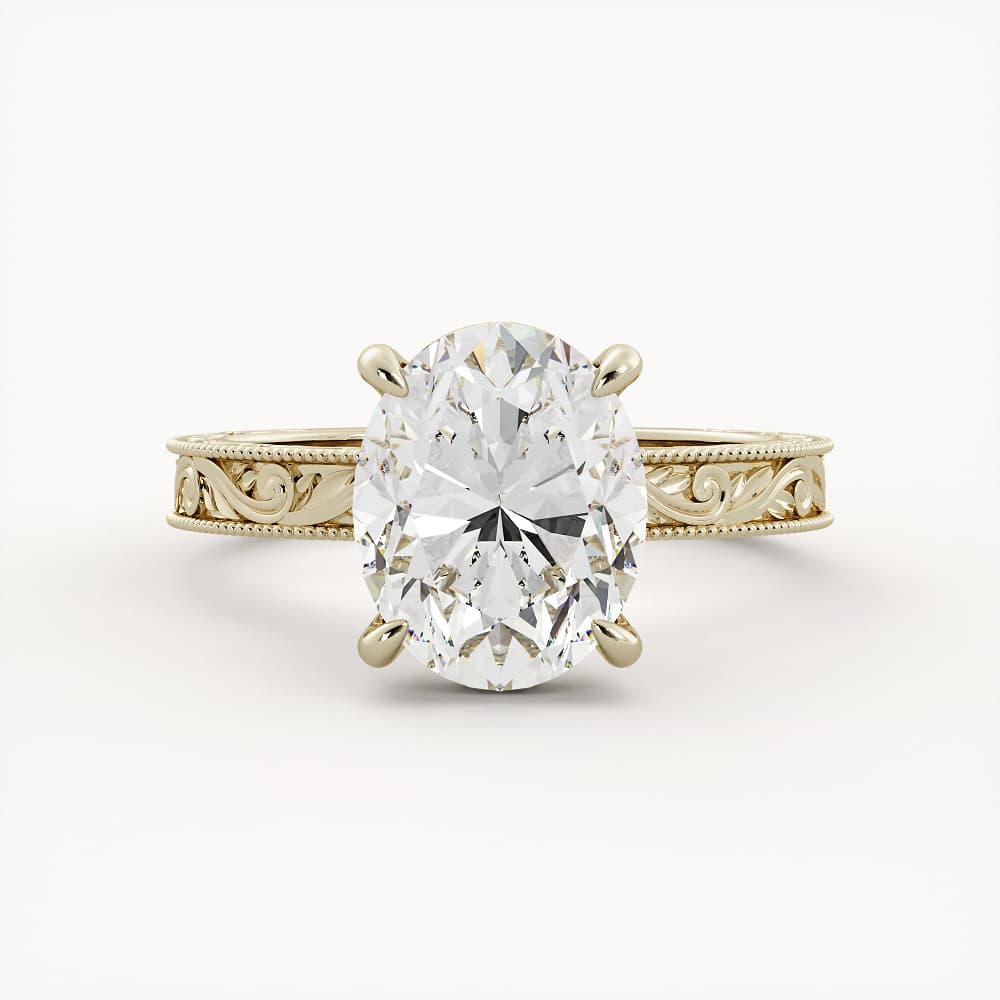
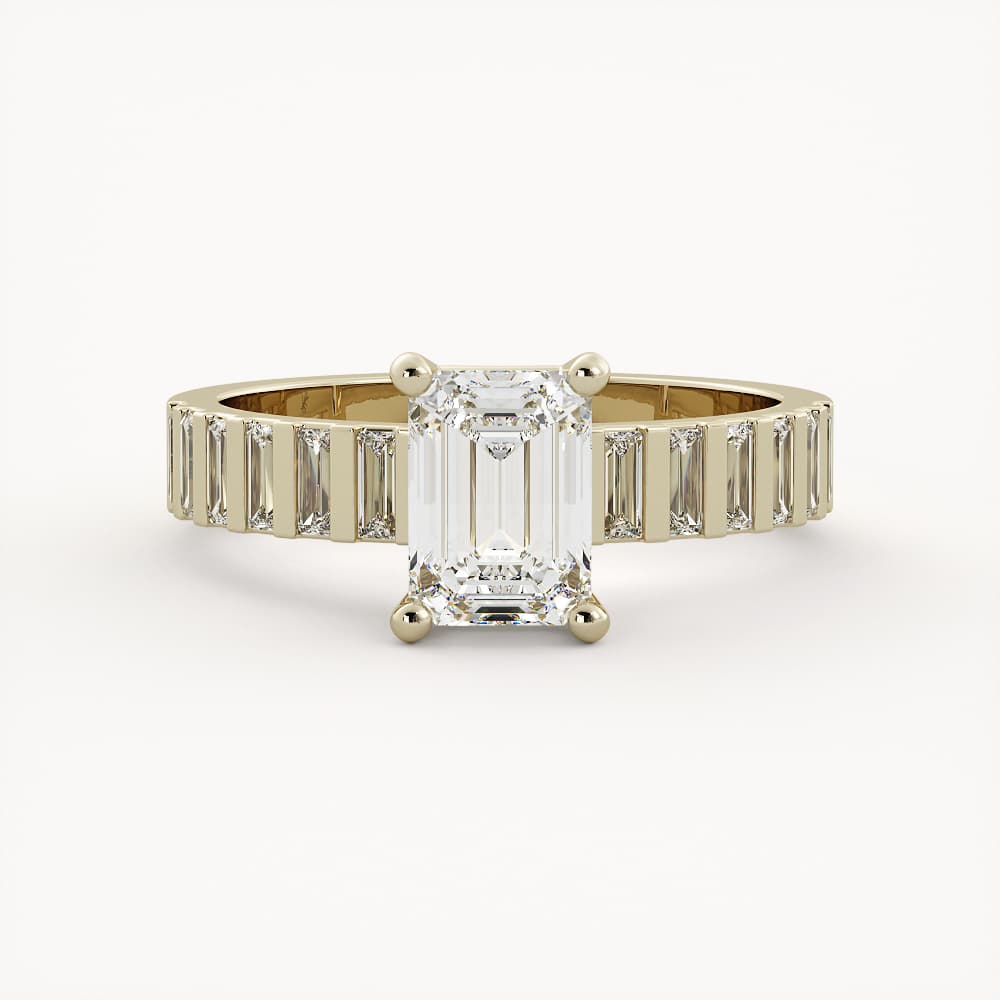
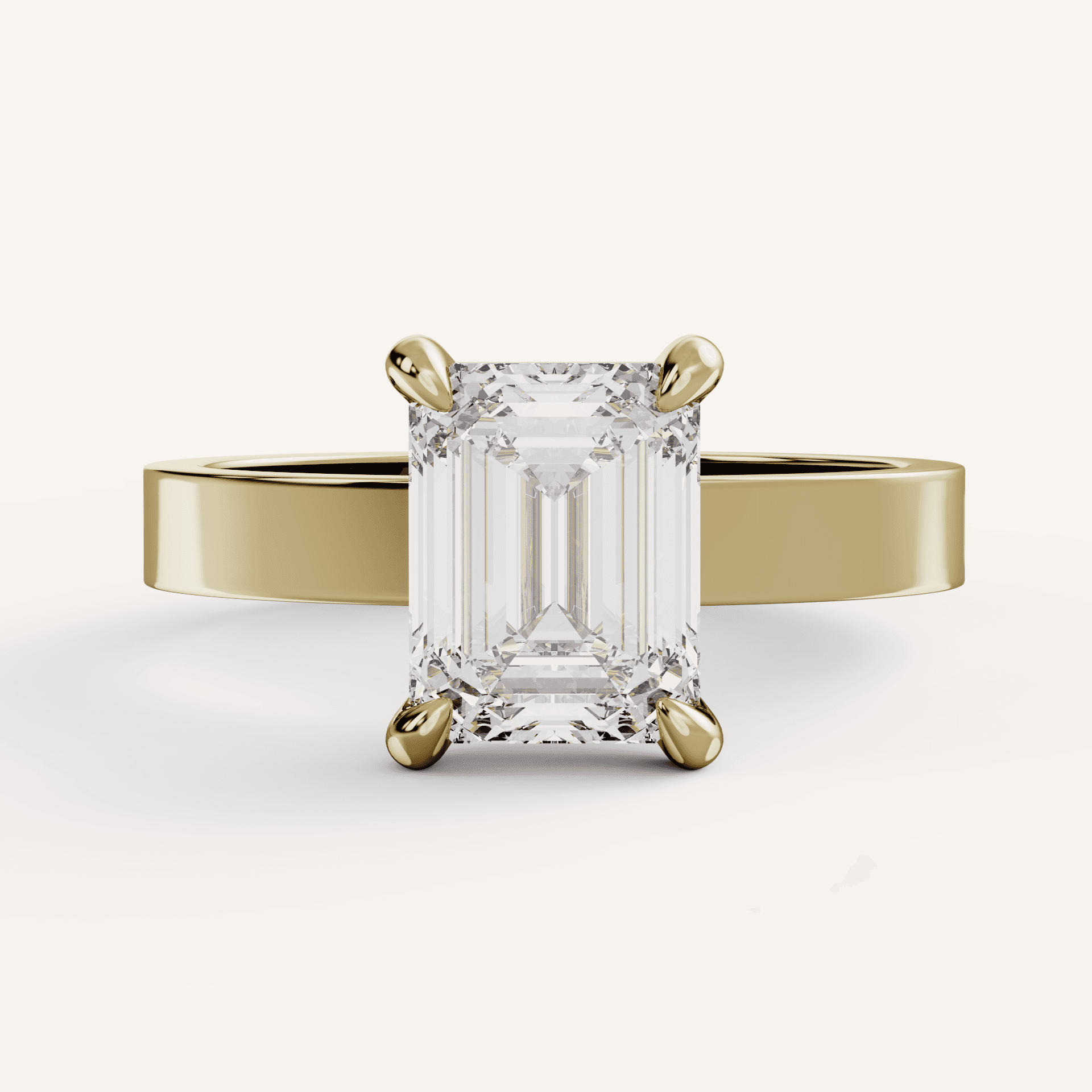
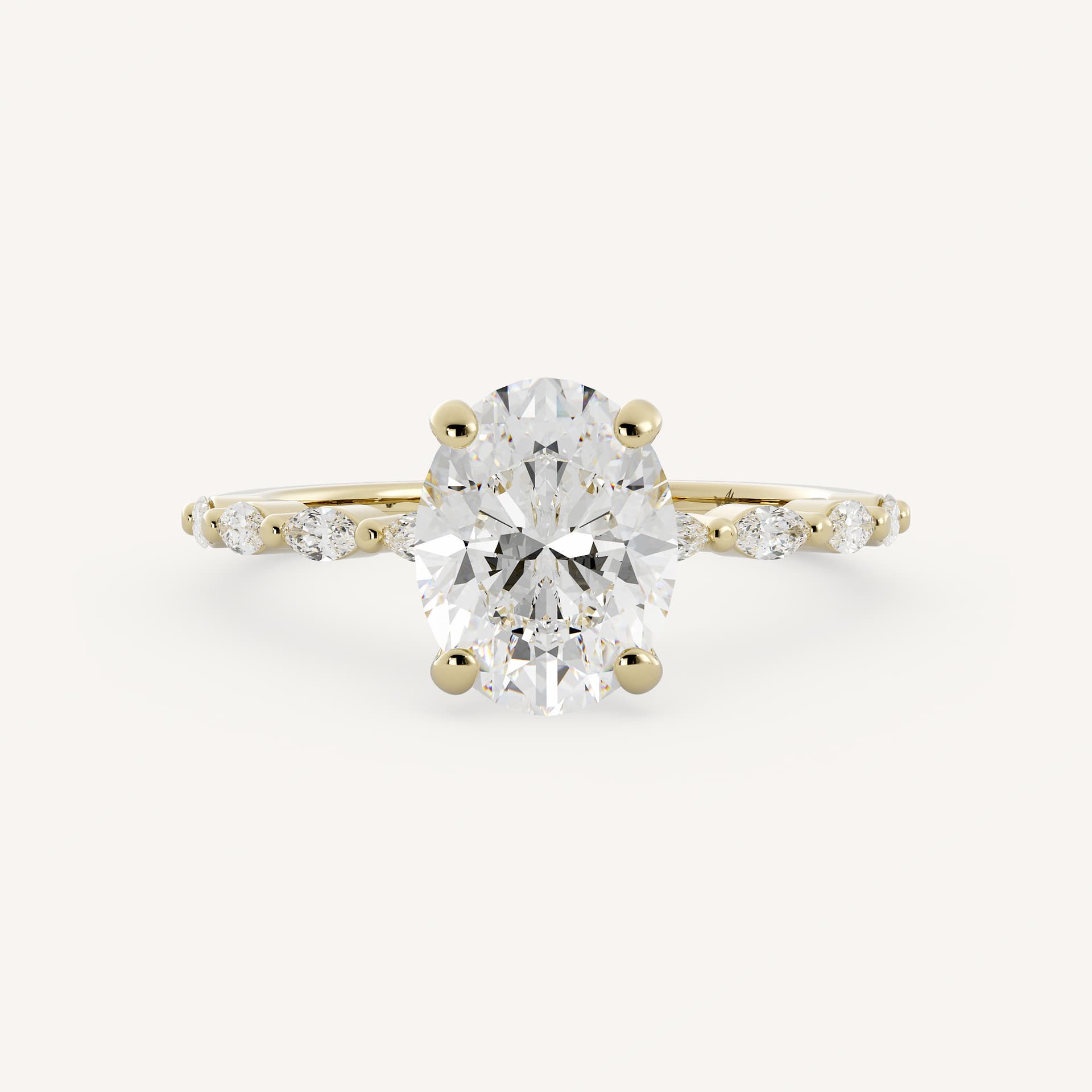
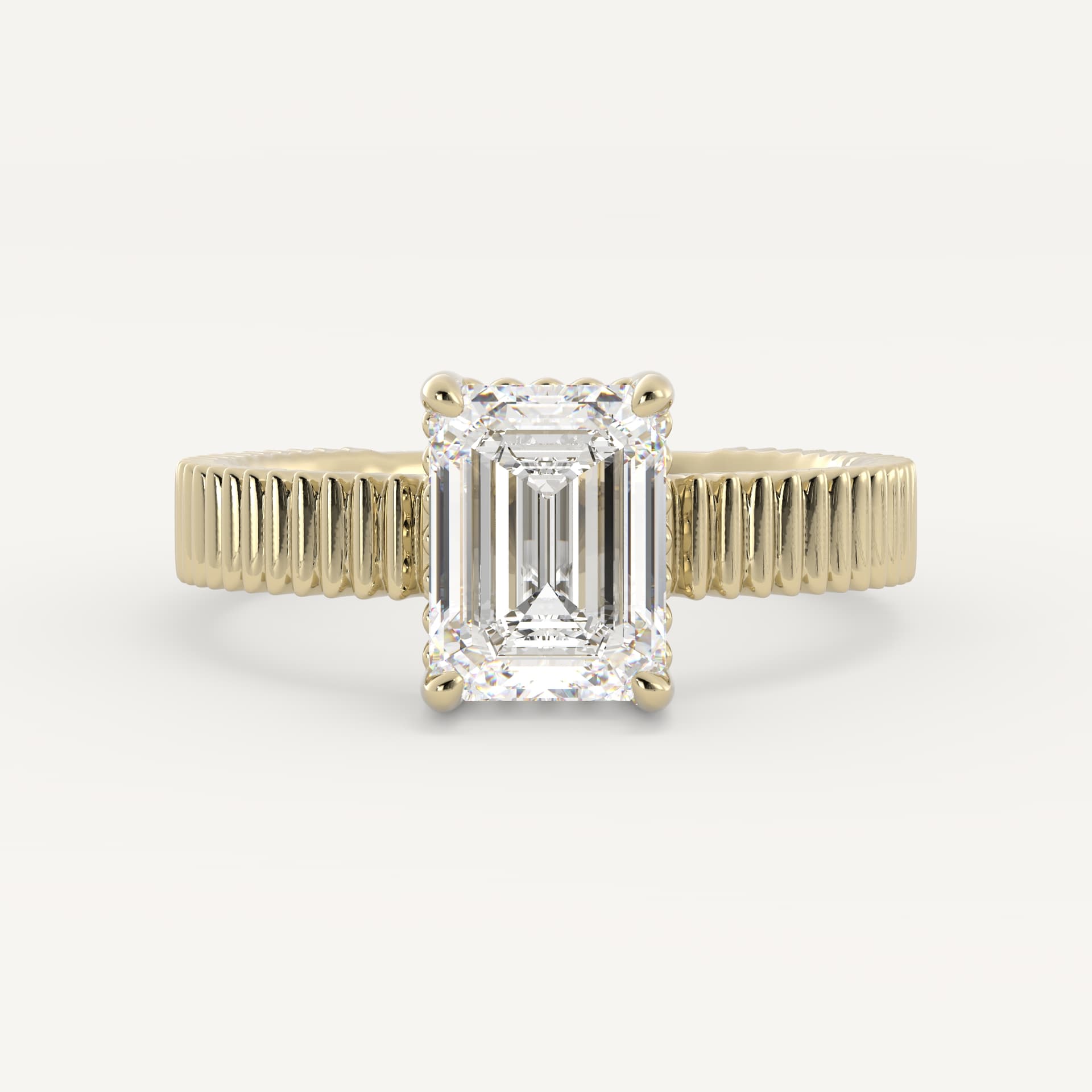
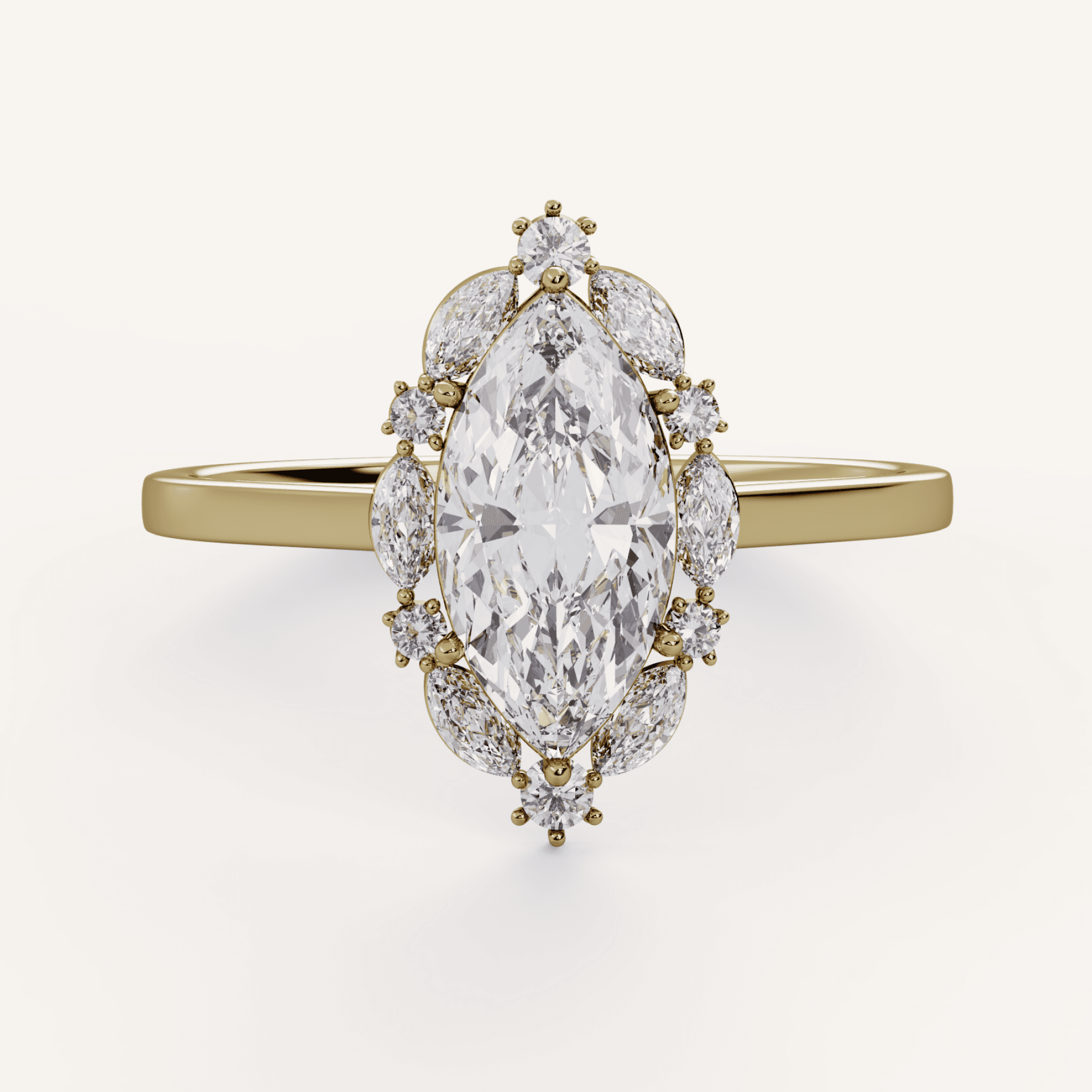
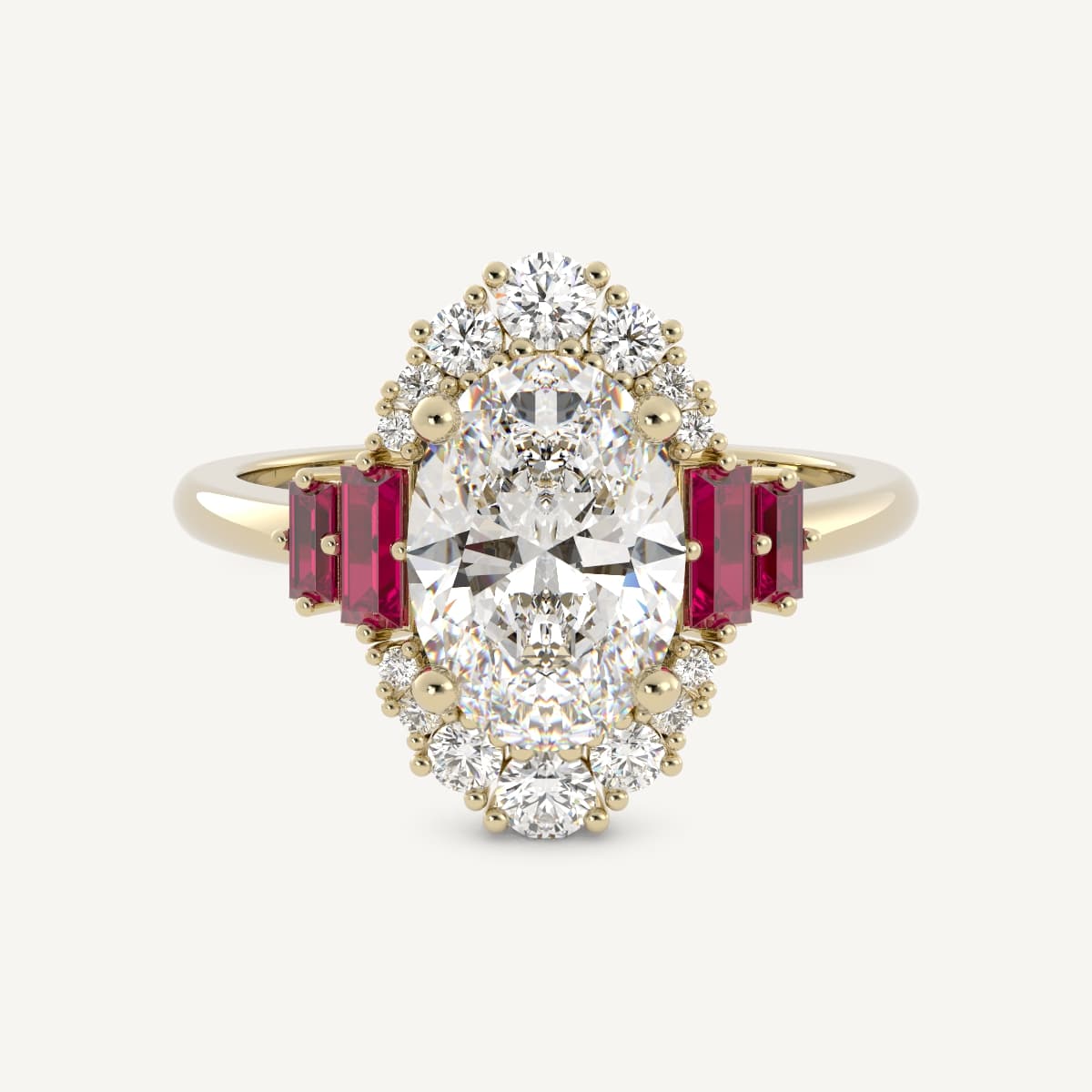
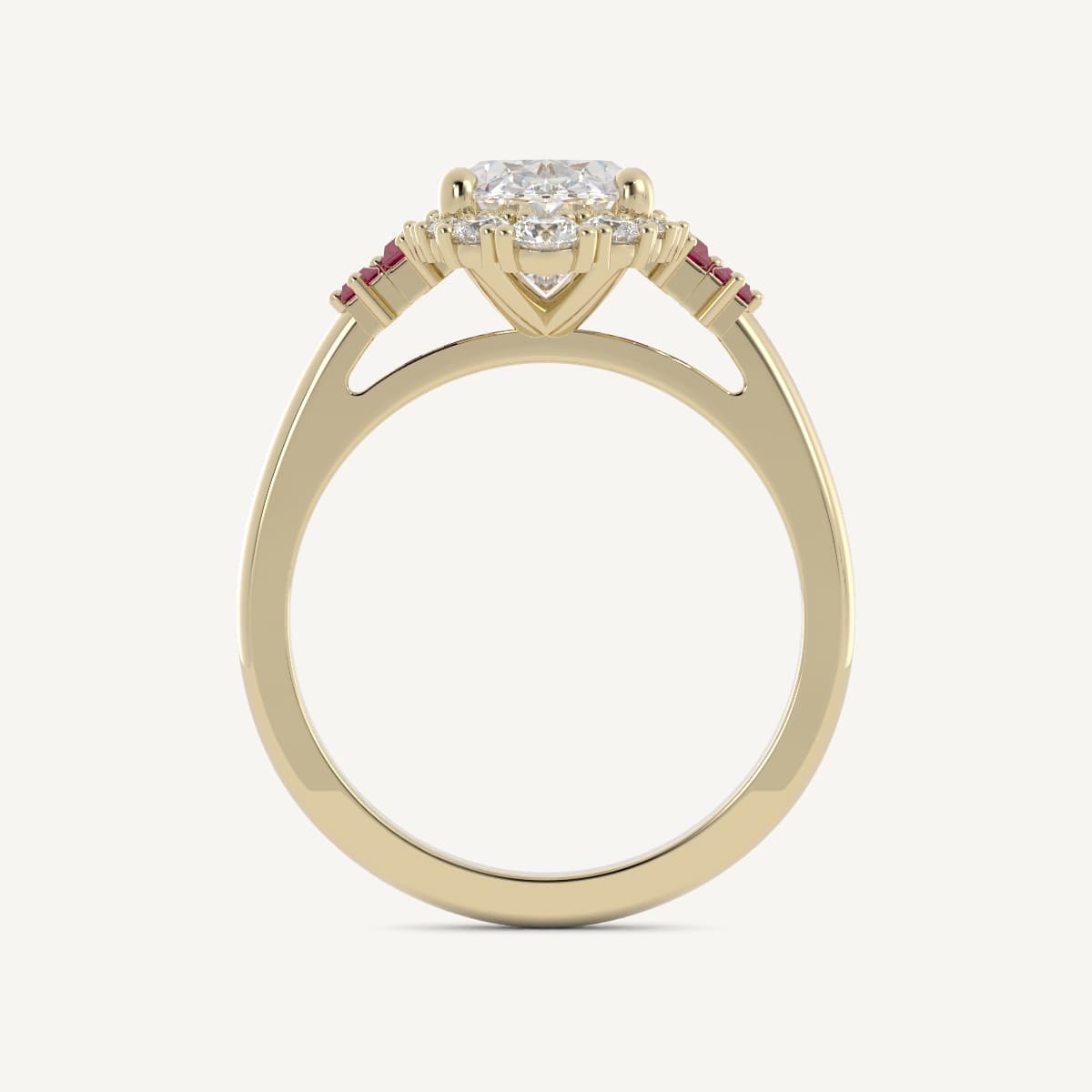
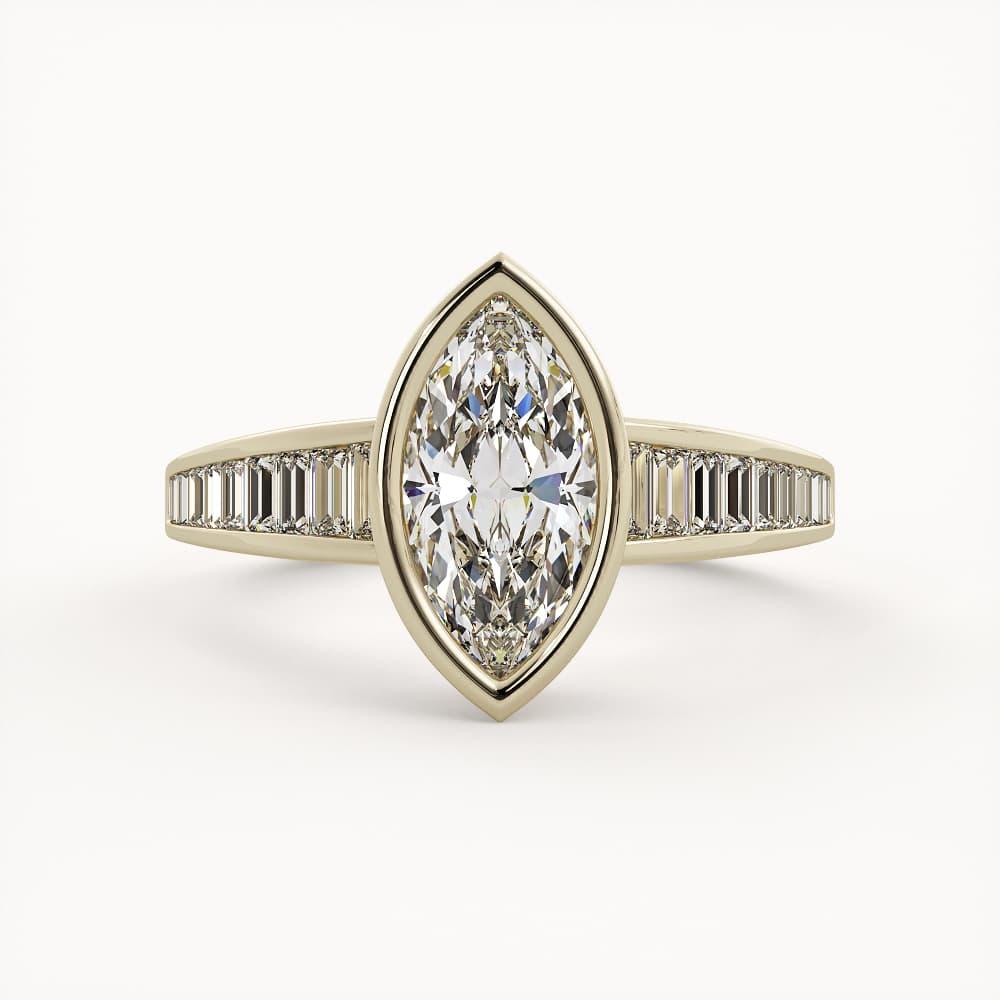
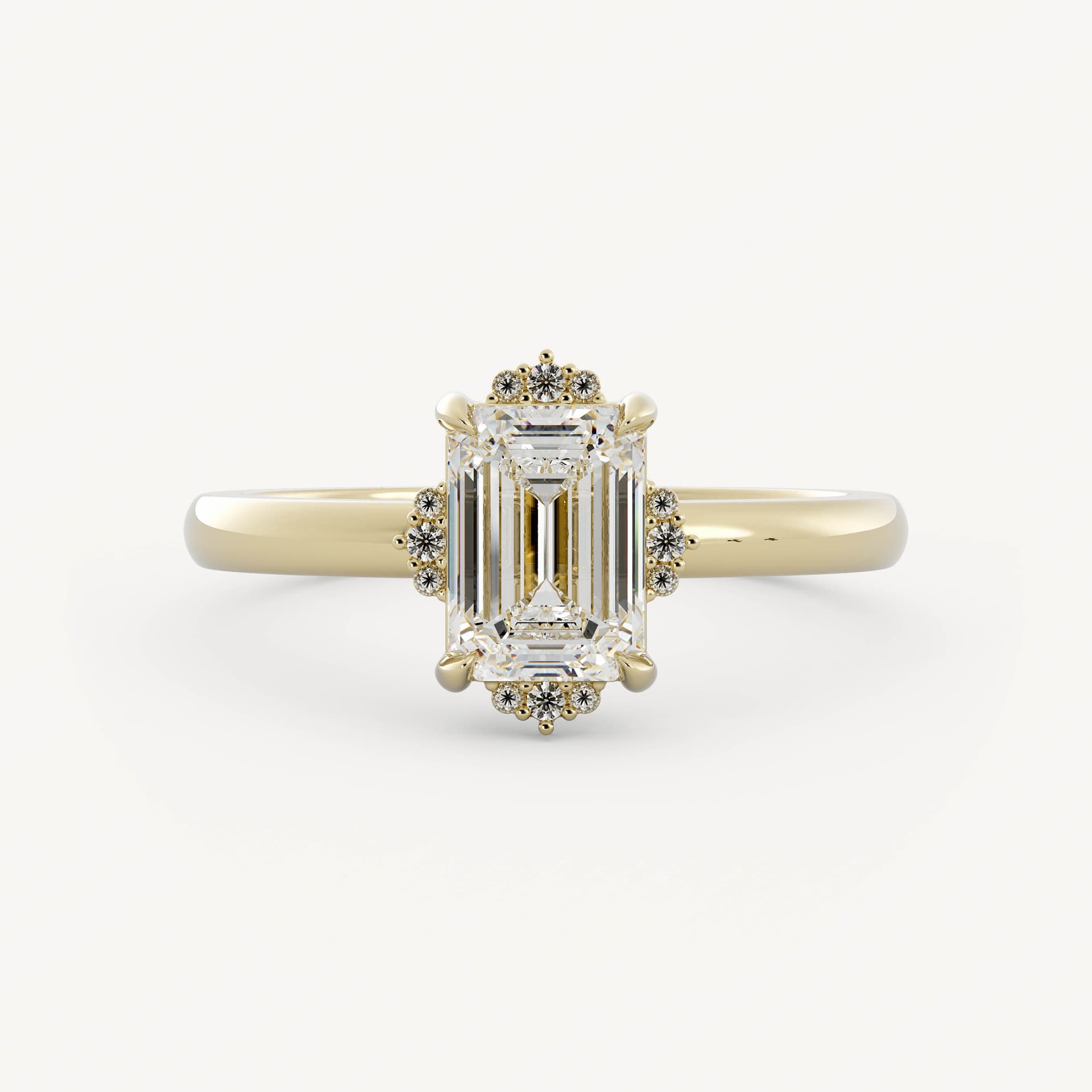
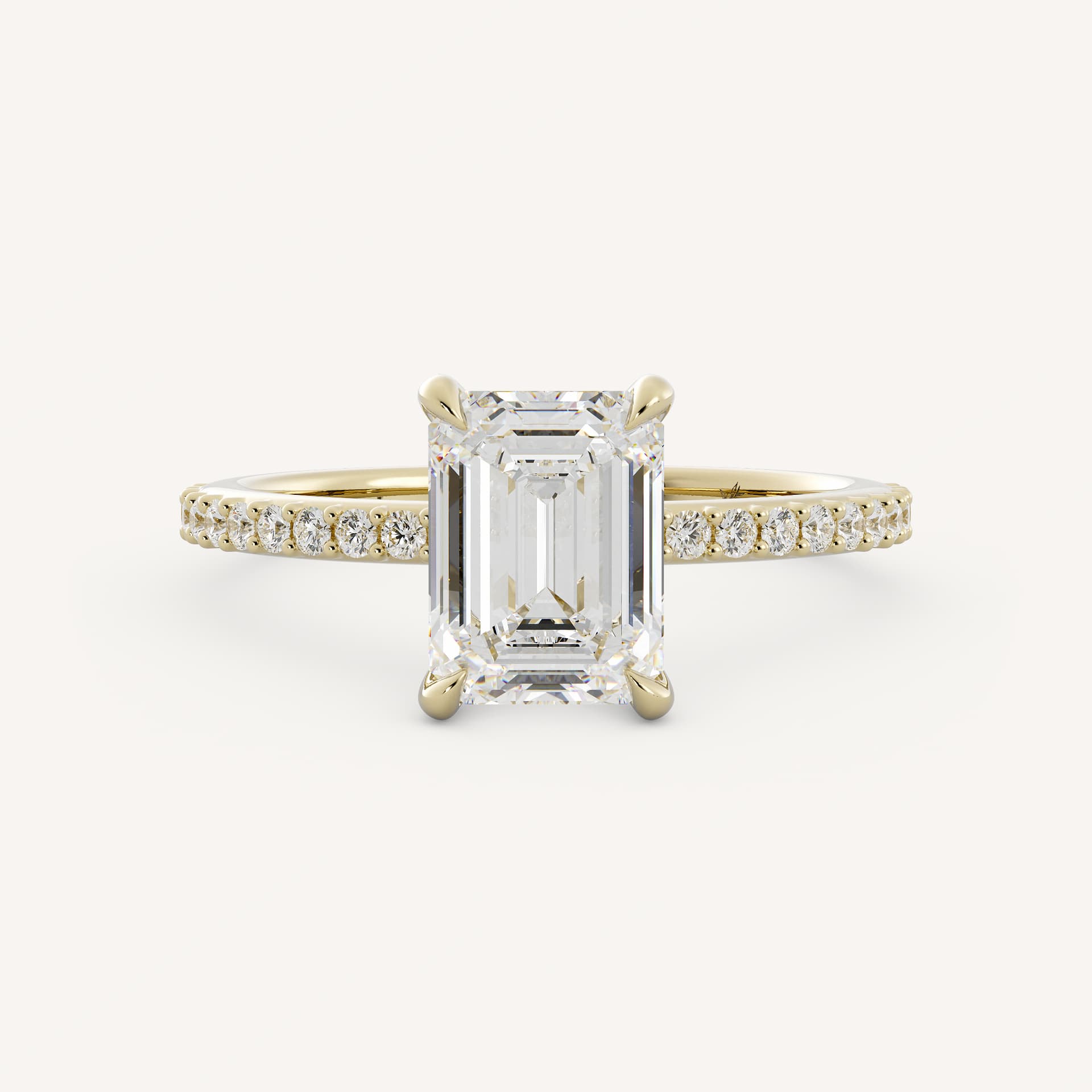
Emerson with a 10x5mm Moissanite in 14K Rose Gold
Moissanite vs. Lab-Grown Diamond: Not the Same Thing
This comparison often causes confusion because both stones are lab-grown, ethical and more affordable than natural diamonds.
A lab-grown diamond is still a diamond. It has the same chemical composition, crystal structure and grading standards as a natural diamond. The difference is where it formed.
Moissanite is a completely different gemstone. It's made of silicon carbide rather than carbon, giving it different optical properties, a different sparkle and its own origin story.
If your goal is a stone that matches a natural diamond in every way, a lab-grown diamond is the better fit. If you're drawn to moissanite because of its brilliance, history or price point, it's a choice that stands on its own.
Always Moissanite: Olive Ave's Exclusive Line
When we decided to offer moissanite, we wanted to create a collection we could confidently stand behind.
That's why we introduced Always Moissanite, our exclusive line developed to offer strong quality standards while keeping pricing approachable.
What Makes Always Moissanite Different?
- D to F color only. Every Always Moissanite stone falls within the highest color range available.
- Consistently eye-clean, on every stone.
- Cut to maximize moissanite's natural brilliance and fire.
- Exclusive sourcing gives us greater quality control while keeping costs lower for our customers.
The result is a durable stone with strong brilliance at a fraction of the price of a comparable lab-grown diamond. Always Moissanite is available throughout our engagement ring collection and fine jewelry line.
If you'd like to see it in person, book a virtual or in-person appointment with us.

Is Moissanite Right for You?
Moissanite might be the right fit if:
- You love a high-brilliance gemstone and aren't looking specifically for a diamond.
- Budget matters because you'd rather invest in a larger stone, a more detailed setting or something else that's meaningful to you.
- You care about transparent, mining-free sourcing.
- The meteorite origin story is part of what draws you to the stone.
- You want a gemstone that will hold up well to everyday wear.
Moissanite may not be the right choice if:
- You want a gemstone that is chemically identical to a natural diamond. A lab-grown diamond fits that goal.
- You prefer the white-light sparkle of a diamond over moissanite's colorful fire.
- The tradition and cultural significance of a diamond are important to you.
There isn't a universally right choice, only the one that feels right for your story.
frequently asked questions about moissanites
A Note Before You Decide
Choosing an engagement ring carries a lot of emotion. It's easy to feel like every decision matters because it does.
What we've seen over the years is that the right ring is the one that feels right to the person who wears it, whatever the price or tradition behind it.
For some, that's a natural diamond. For others, it's a lab-grown diamond. And for many, it's moissanite because they genuinely love everything it has to offer.
If you'd like to see Always Moissanite in person before deciding, we'd love to show you. If questions come up along the way, we're always happy to help.