Product Education
All About Birthstones
Birthstones by Month: Meanings, Colors, and How Each One Wears
Maybe you're shopping for a birthday, choosing a stone for a new baby's month, or just curious what yours is. Birthstones are one of the easiest ways to make jewelry feel personal, because the meaning is already there before you choose anything else.
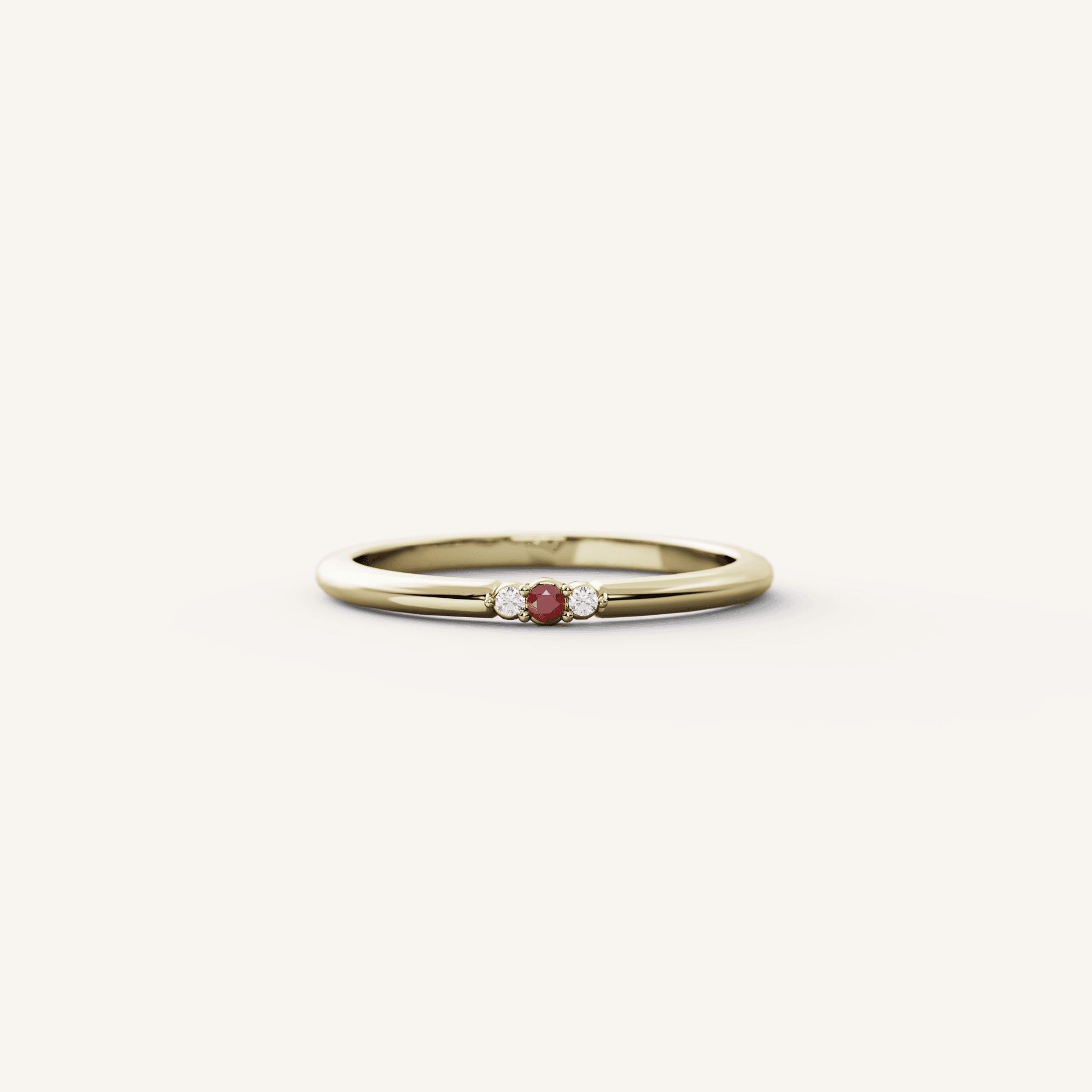
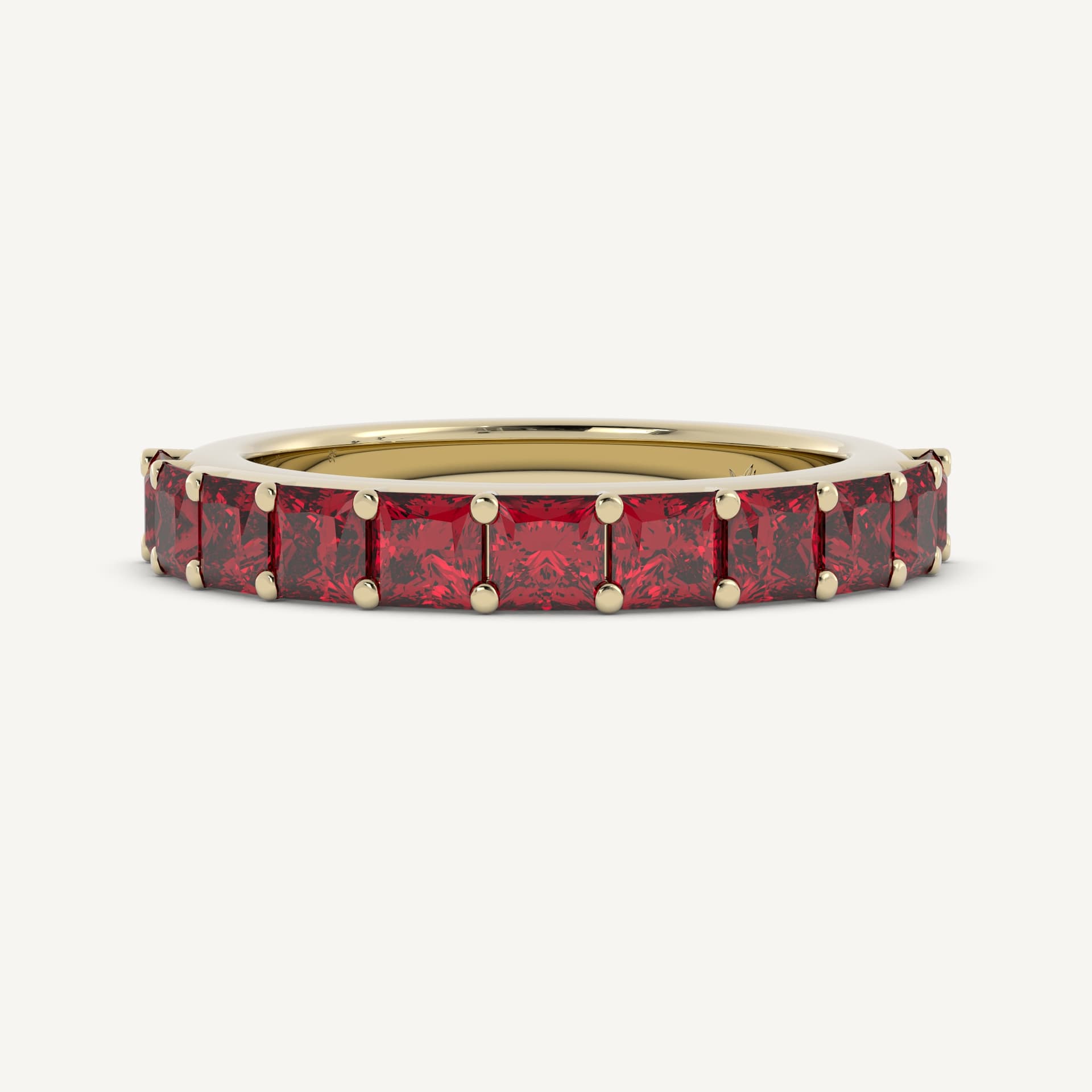
Here's the short answer: every month has at least one birthstone, and six months have two or three. Some are durable enough for a ring you wear every day, like diamond (April), ruby (July), and sapphire (September). Others are softer and happiest in earrings, necklaces, or a ring saved for special days. The chart below shows both, so you can choose a stone you love and know how it will wear.
Hardness is measured on the Mohs scale, from 1 (softest) to 10 (diamond). It tells you how well a stone resists scratches, which matters most for rings, since your hands touch everything. Earrings and necklaces see far less contact, so softer stones do beautifully there.
Birthstones Durability Chart

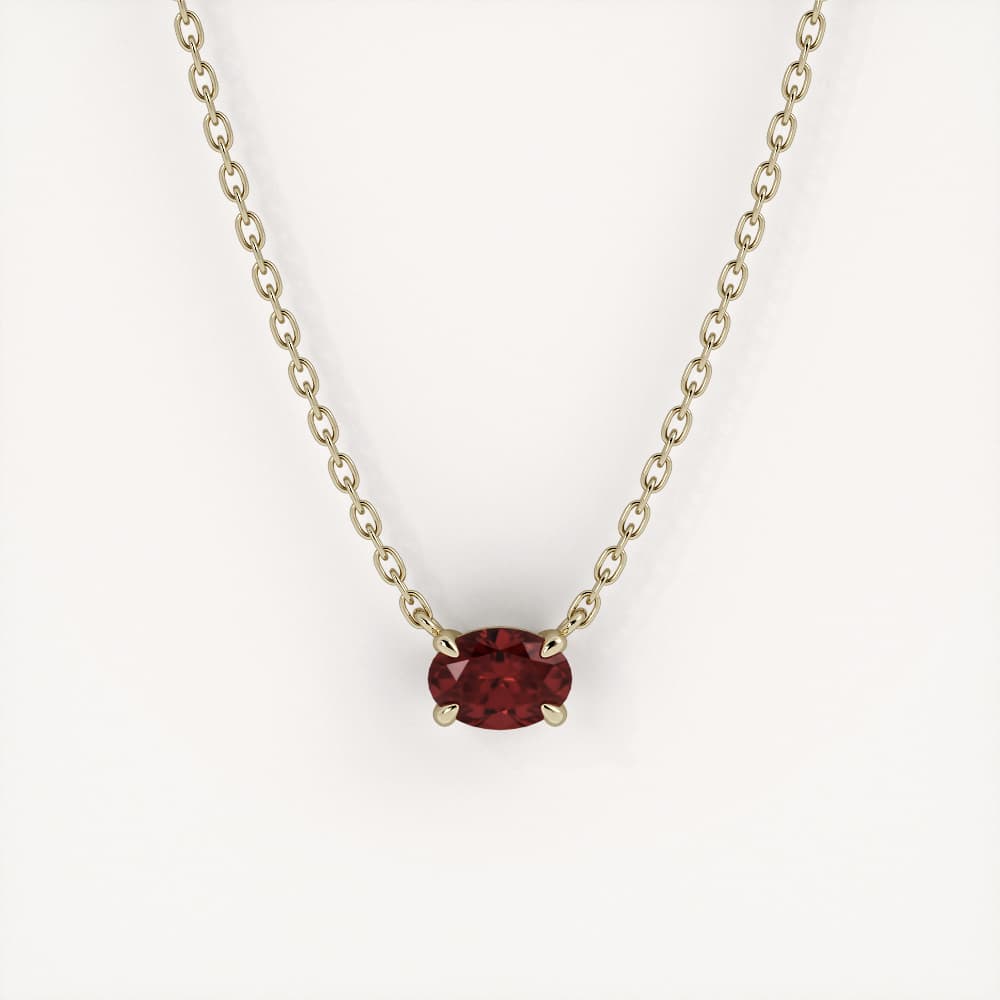
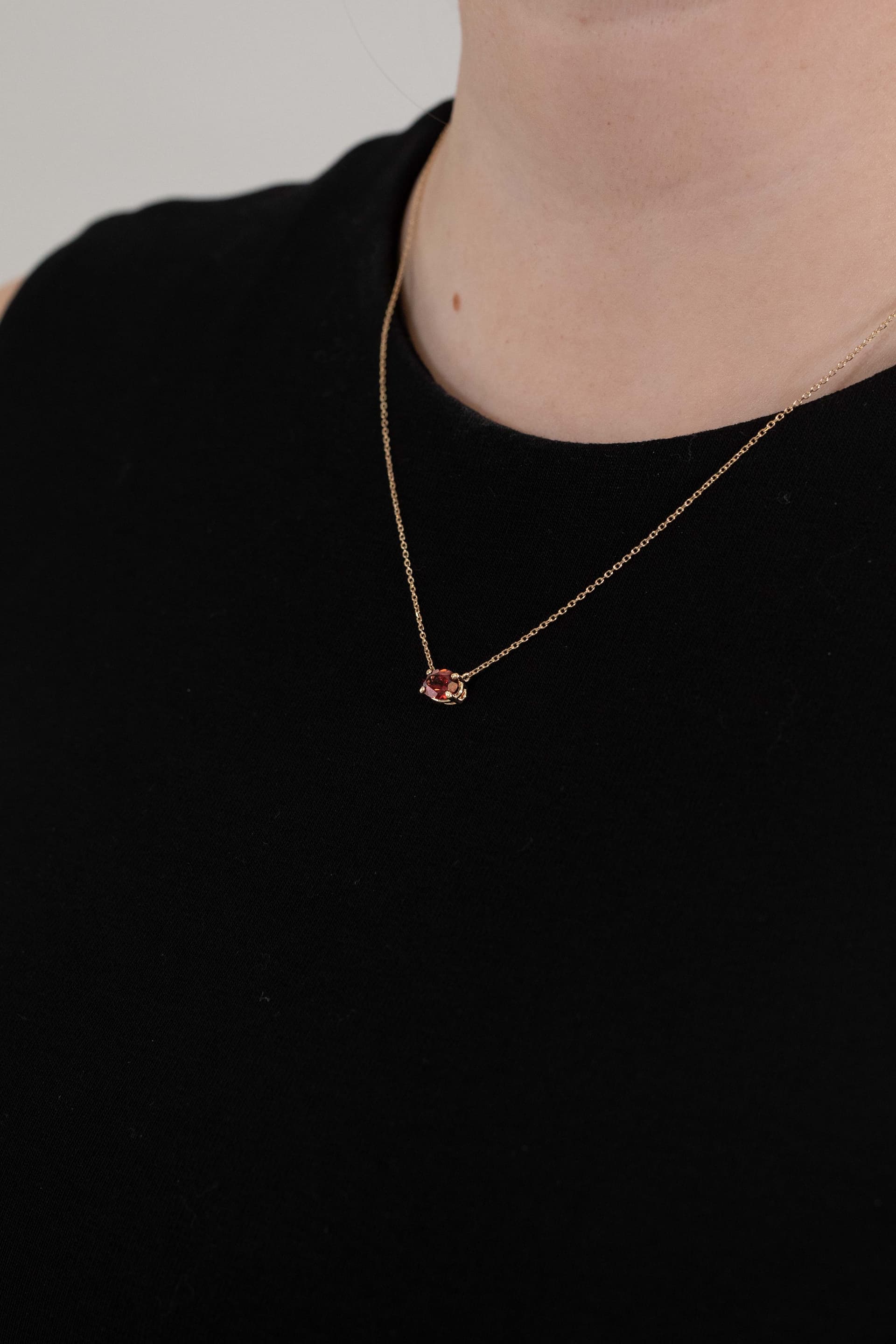
Every Birthstone, Month by Month
What is a birthstone?
A birthstone is a gemstone tied to the month you were born. The tradition is very old, but the list most US jewelers use today was standardized in 1912 by the National Association of Jewelers, now Jewelers of America. It has been updated a few times since, which is why some months have more than one option. If yours has a few, you get to choose by color, budget, or how you plan to wear it.

Birthstone By Month
Which birthstones work best in an everyday ring?
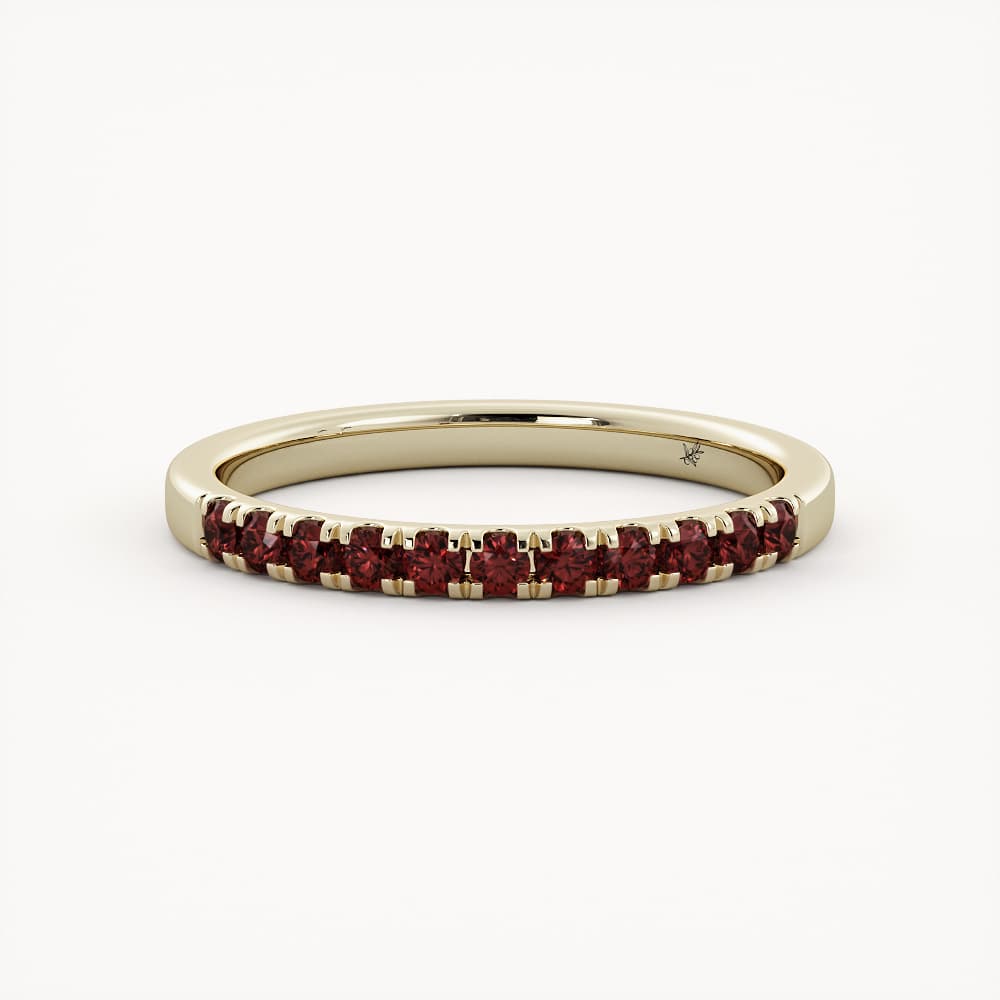
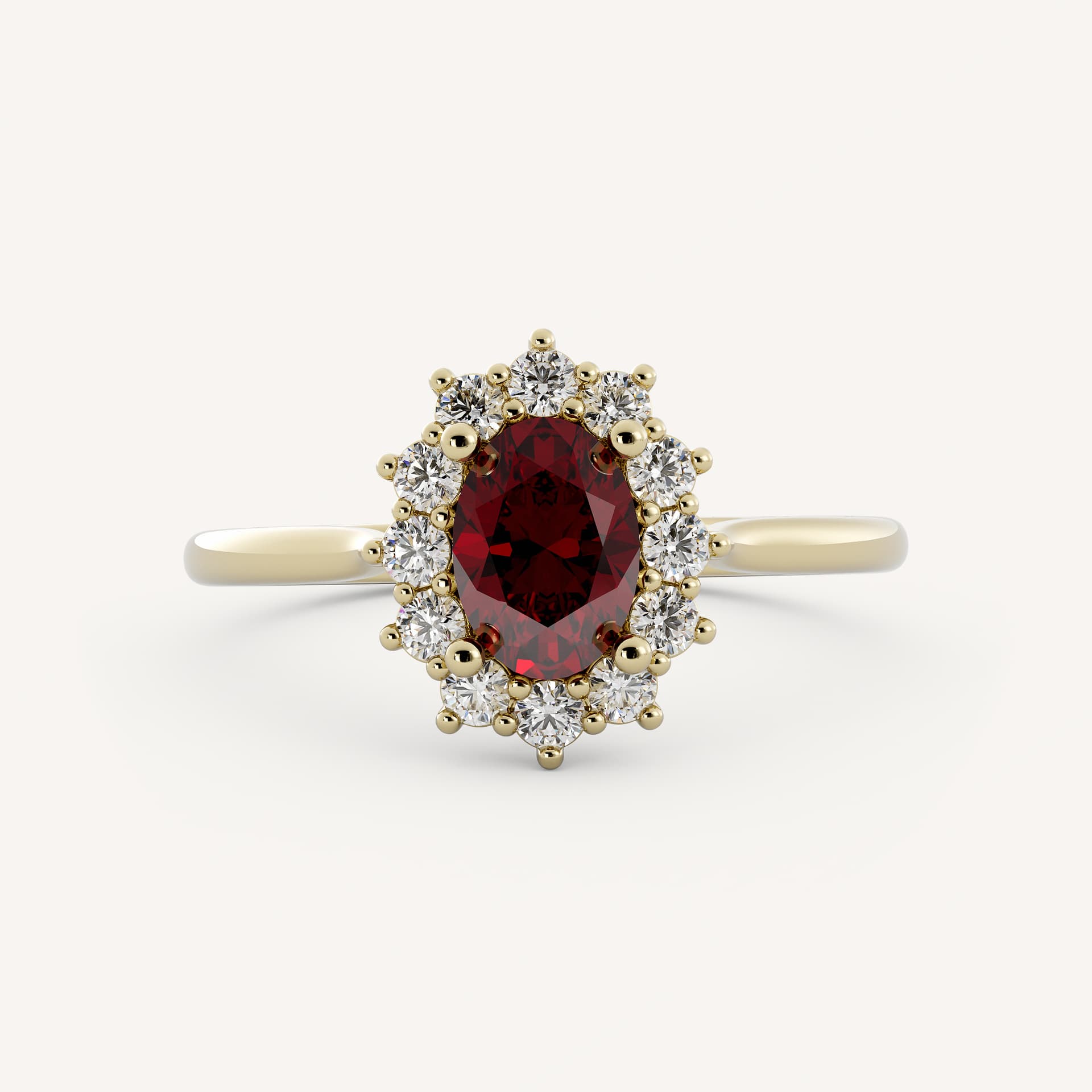
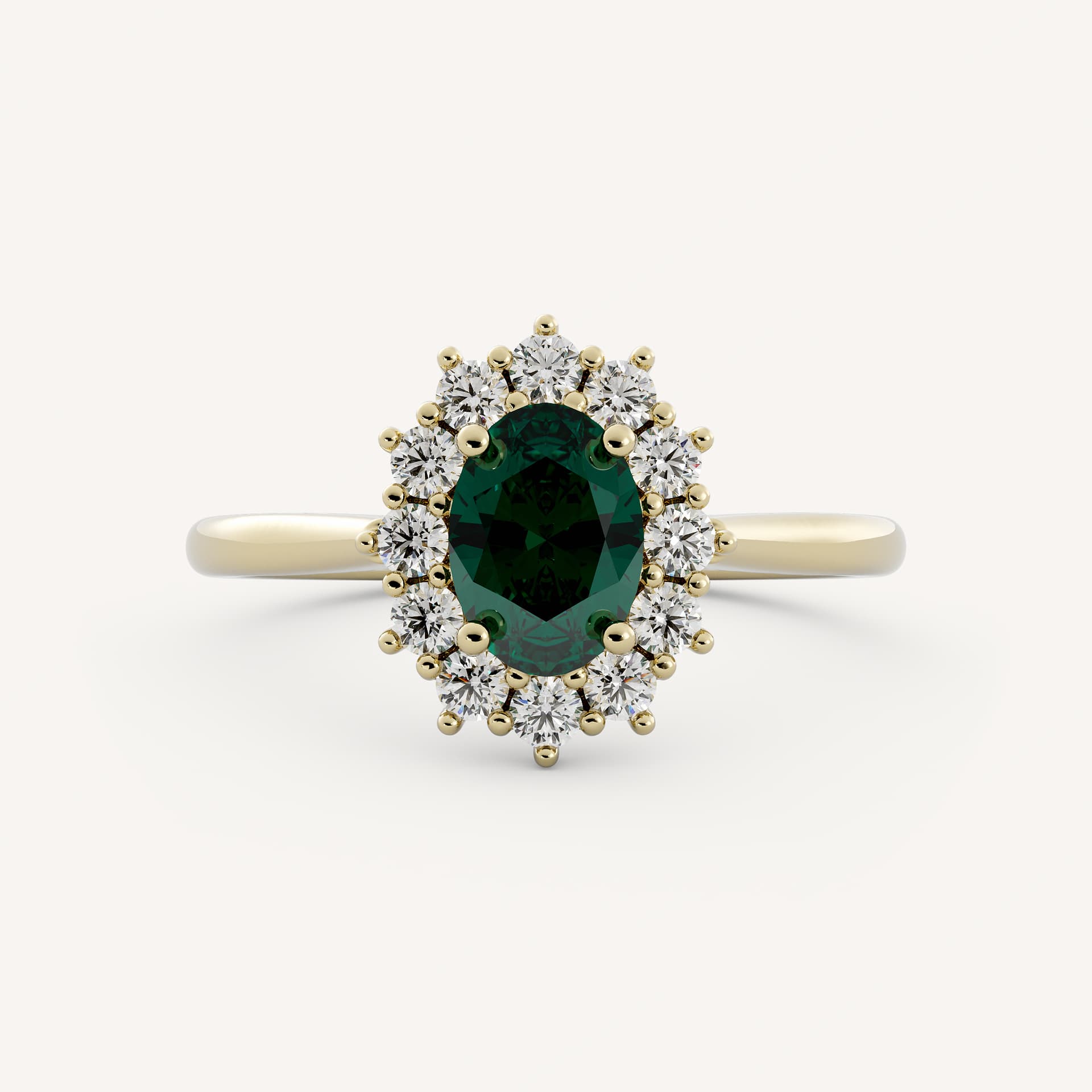
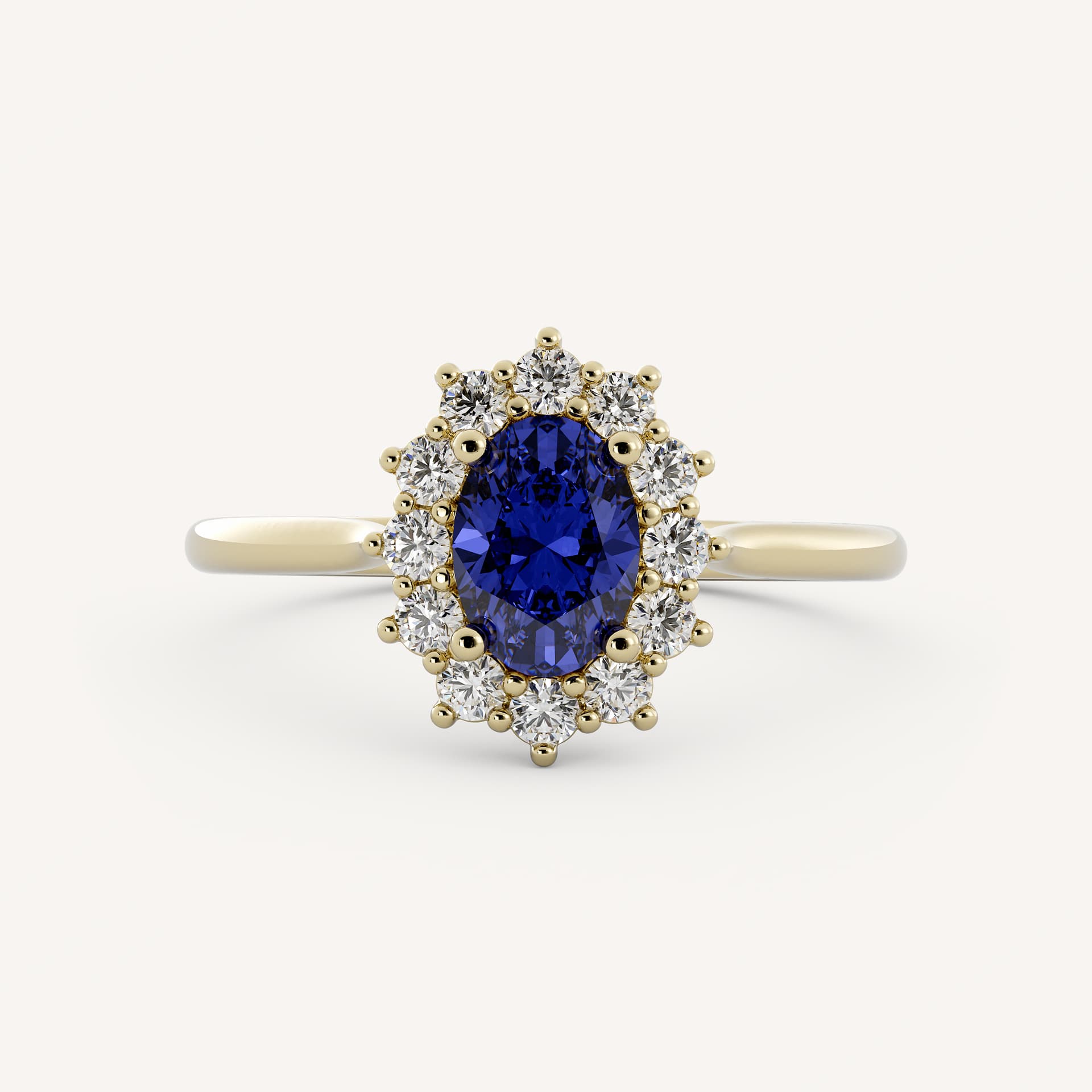
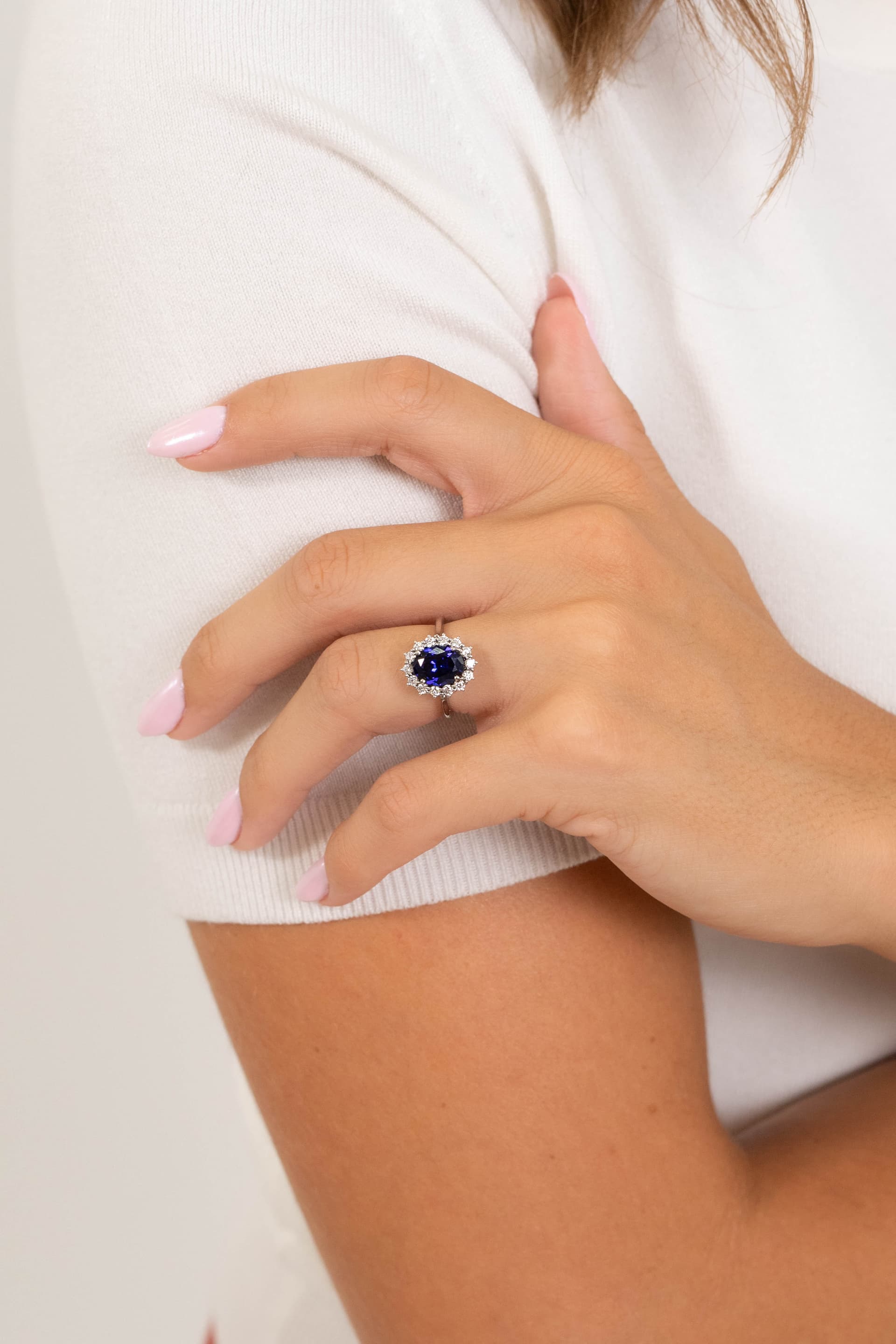
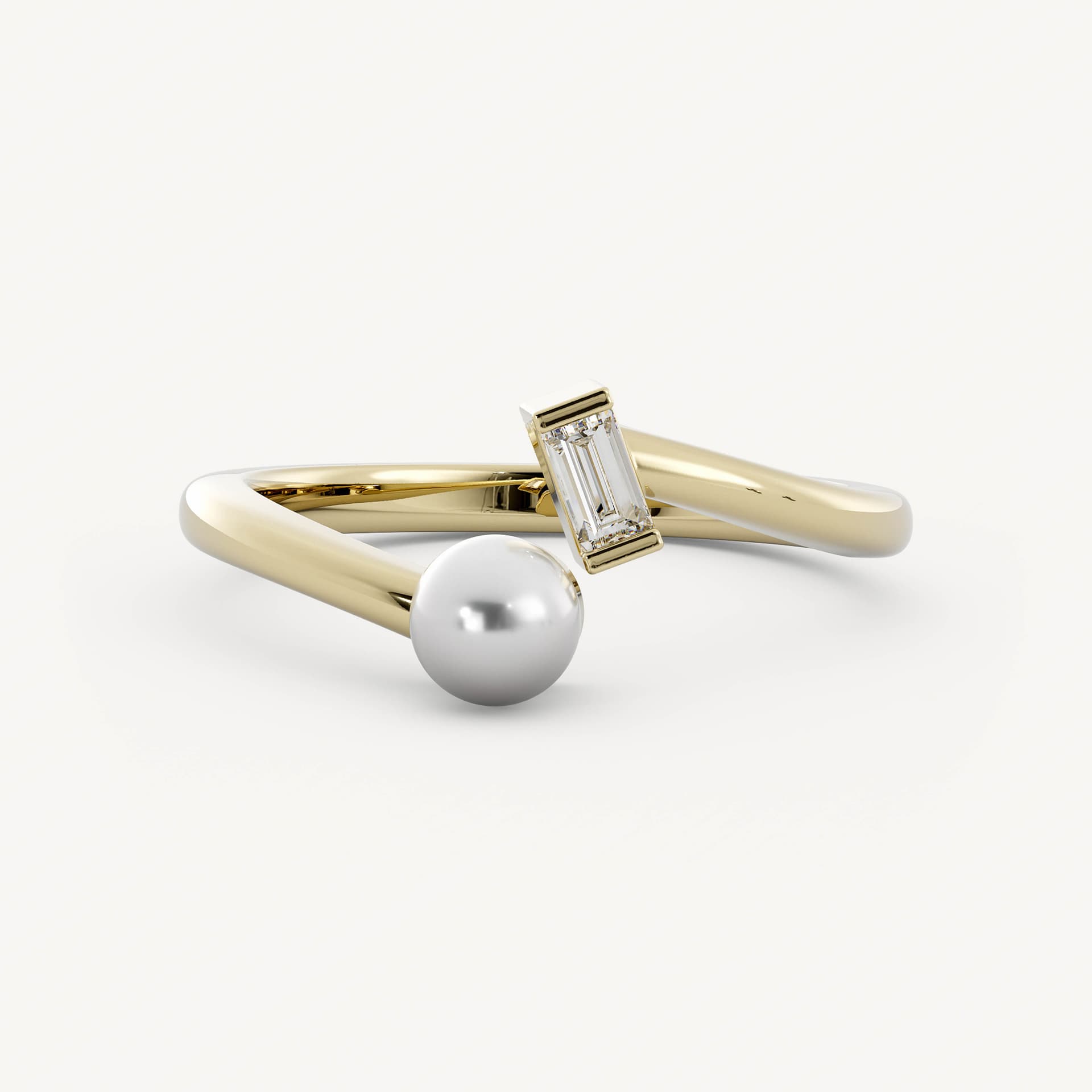
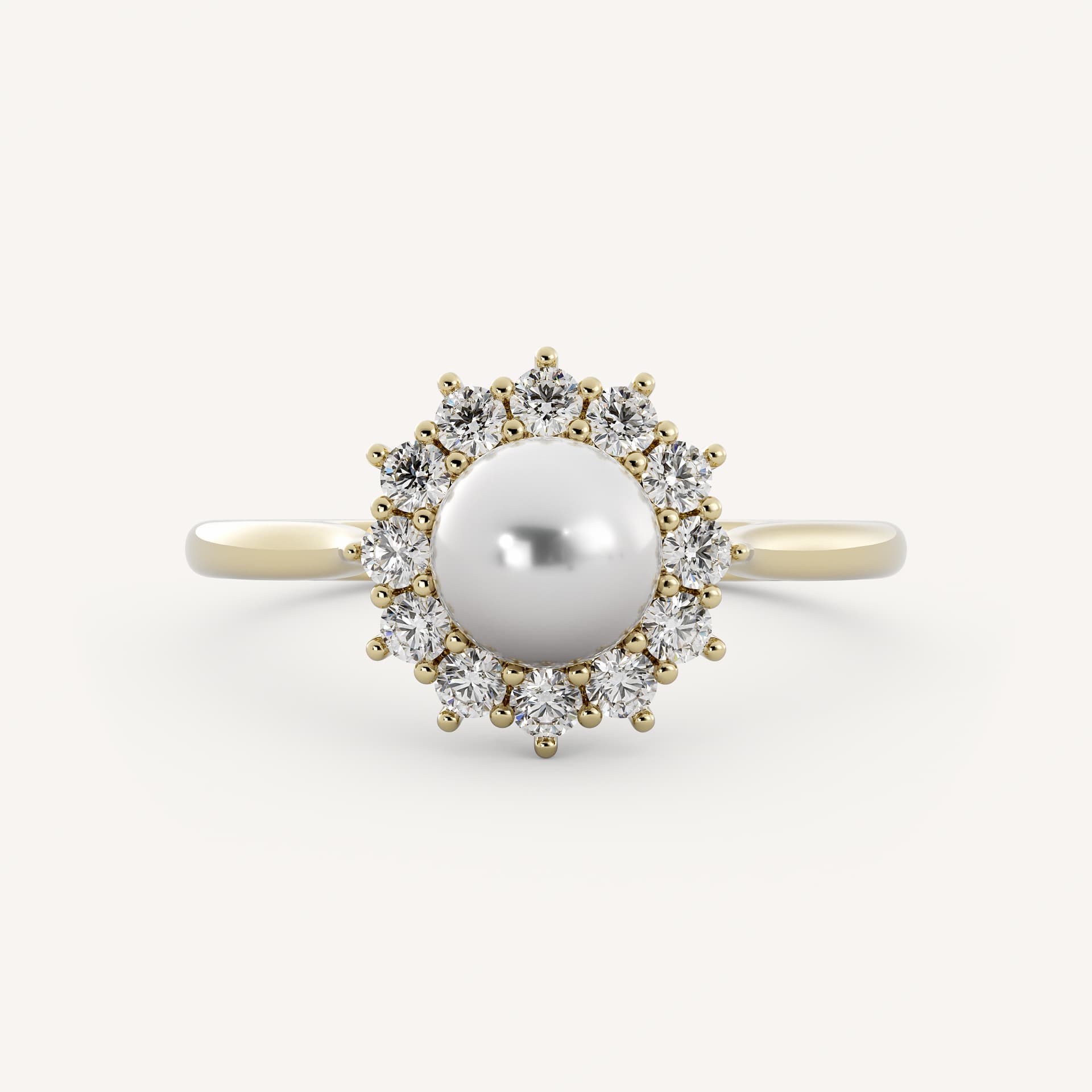
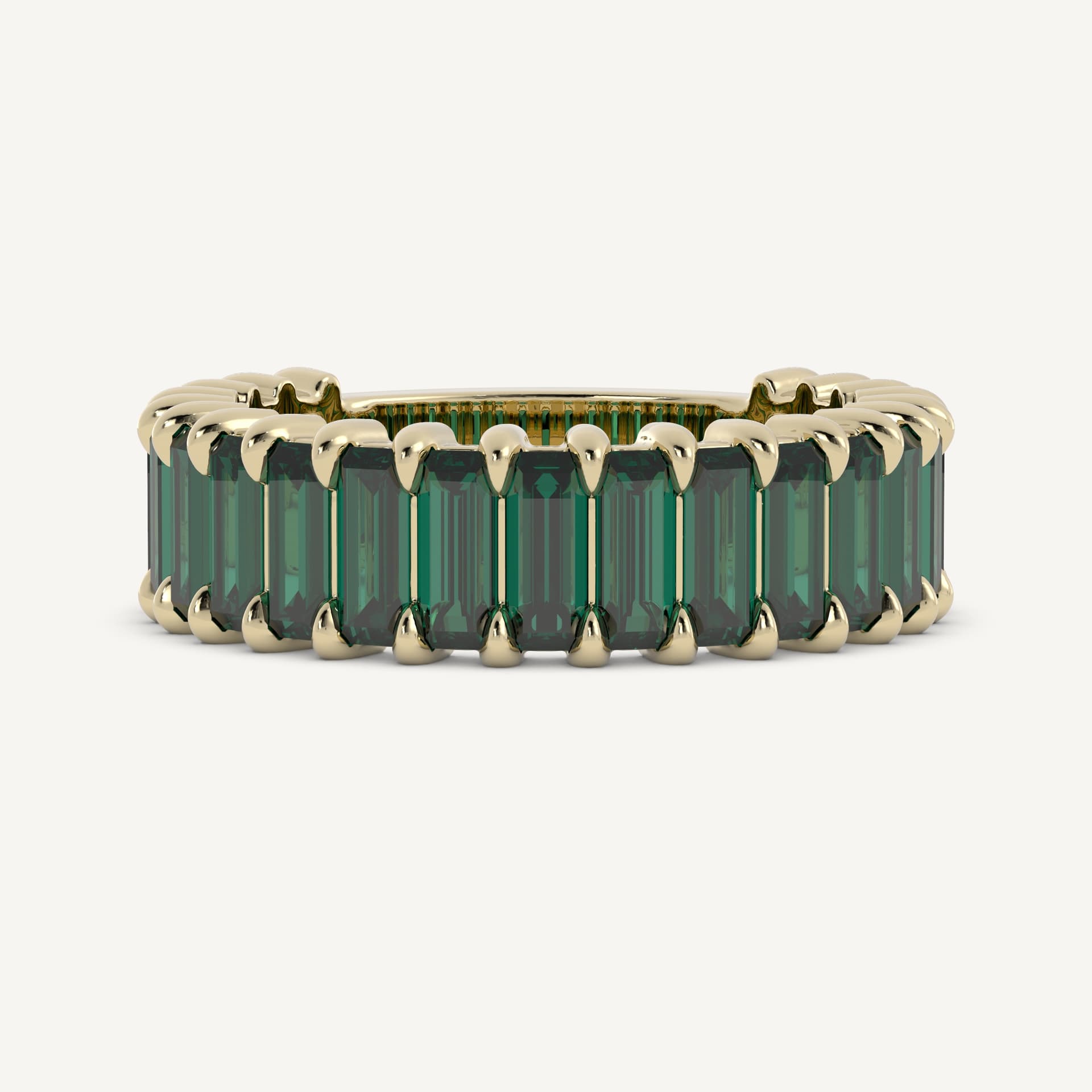
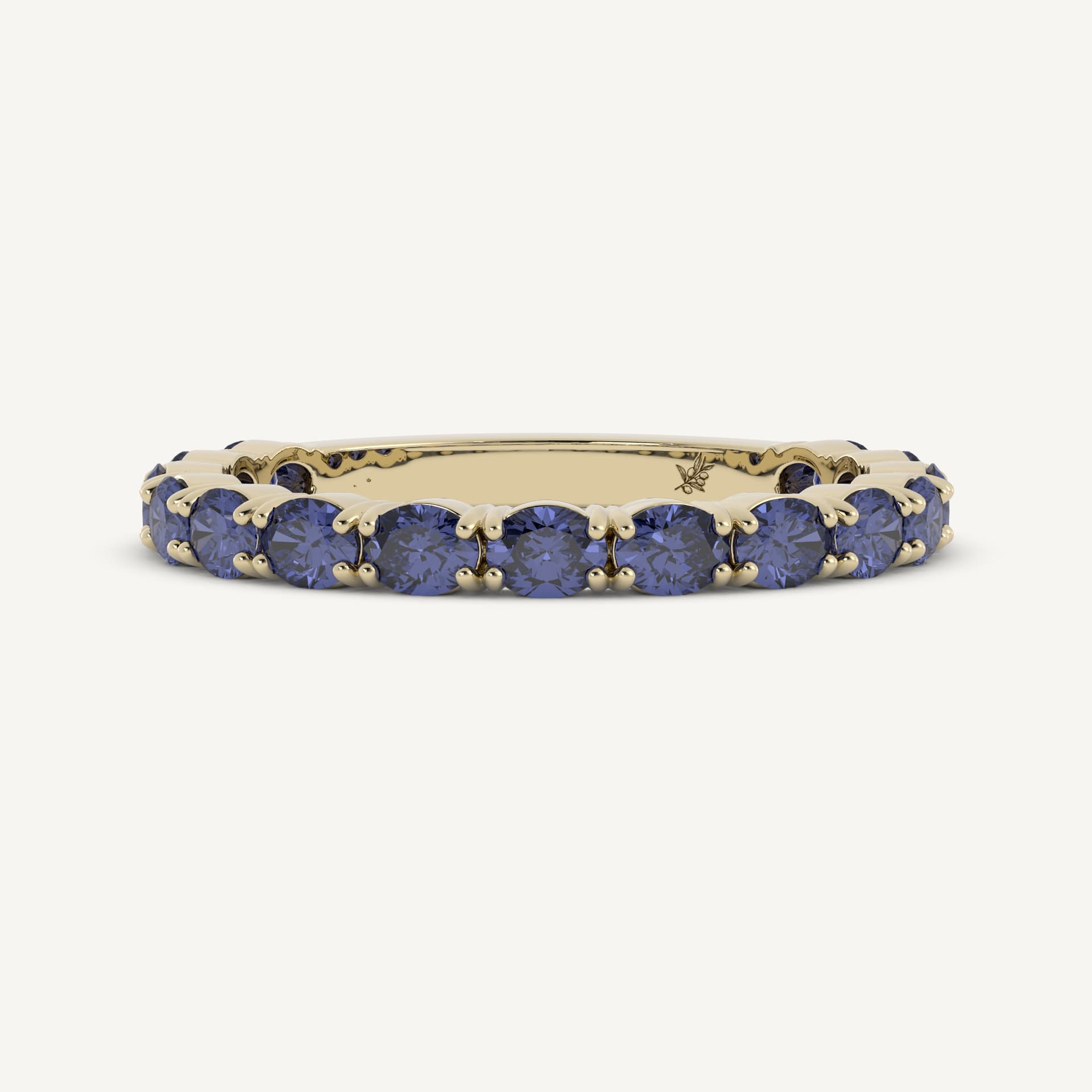
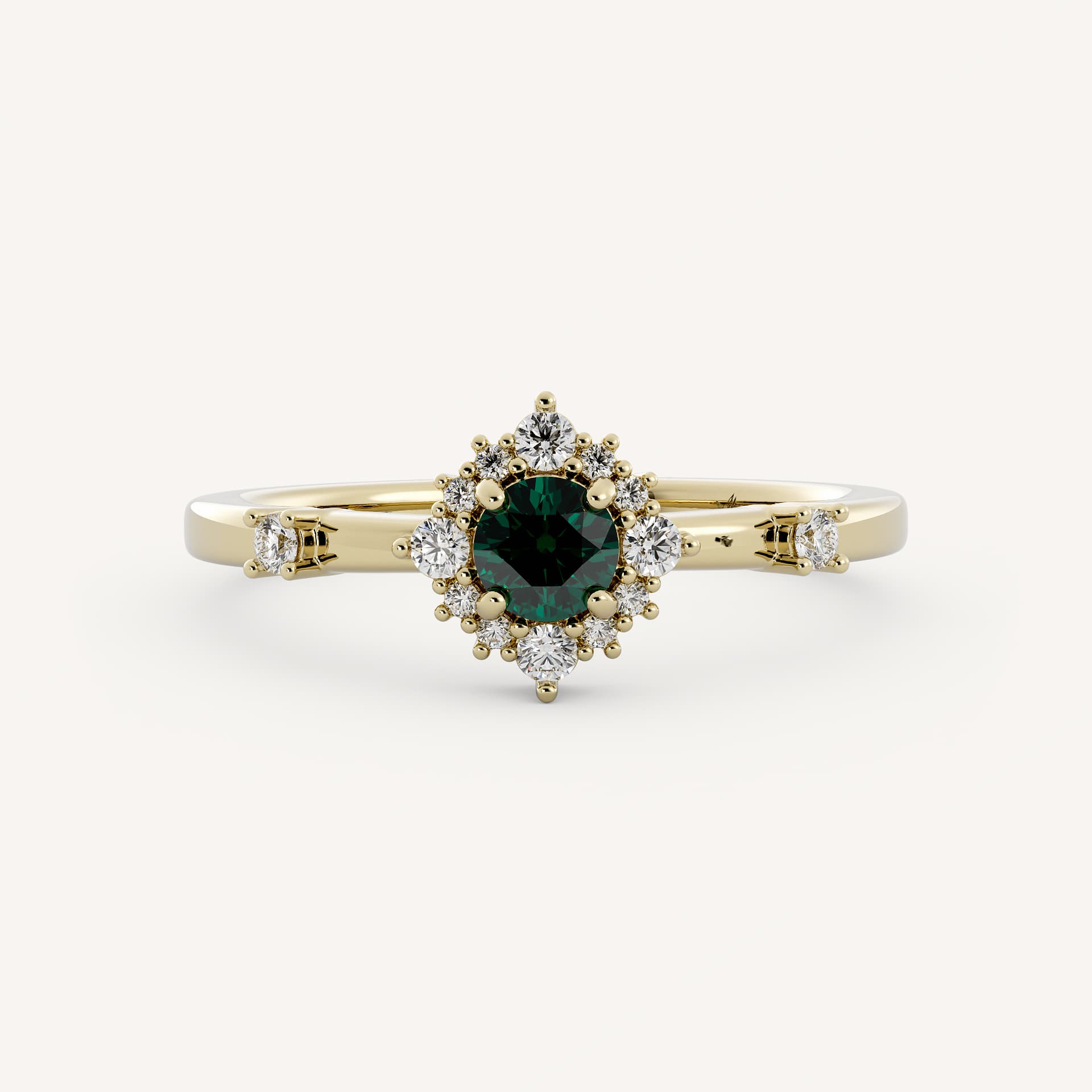
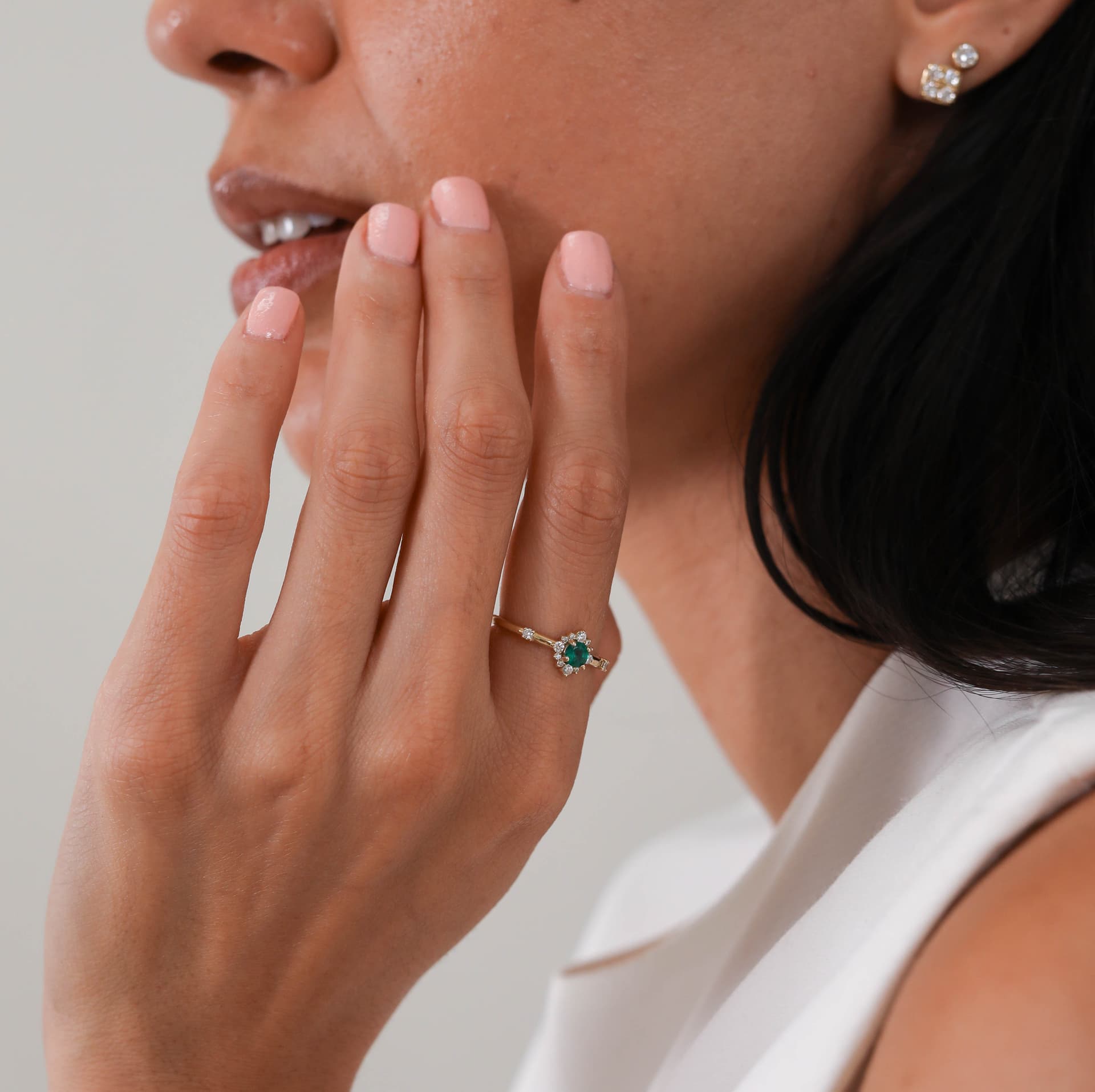
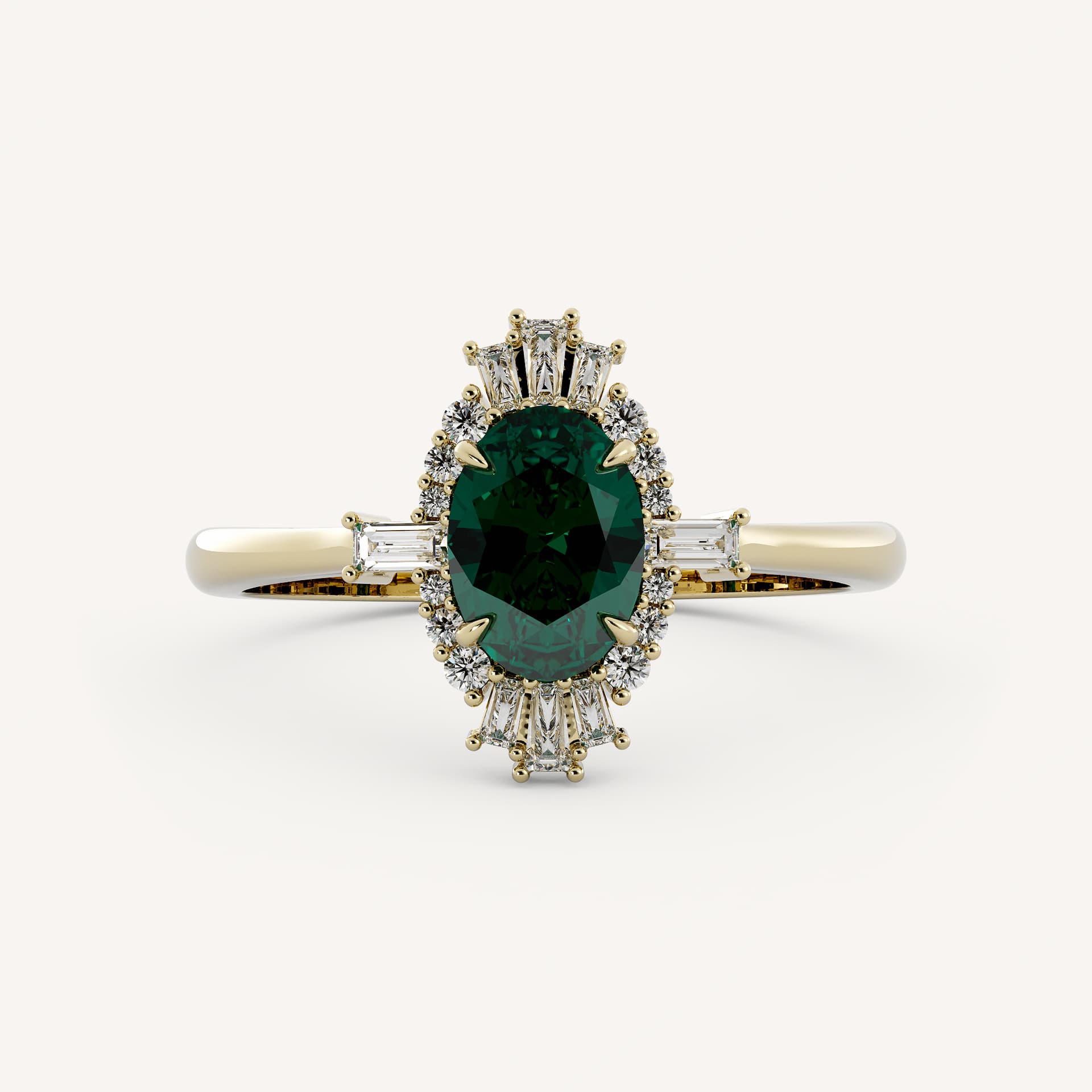
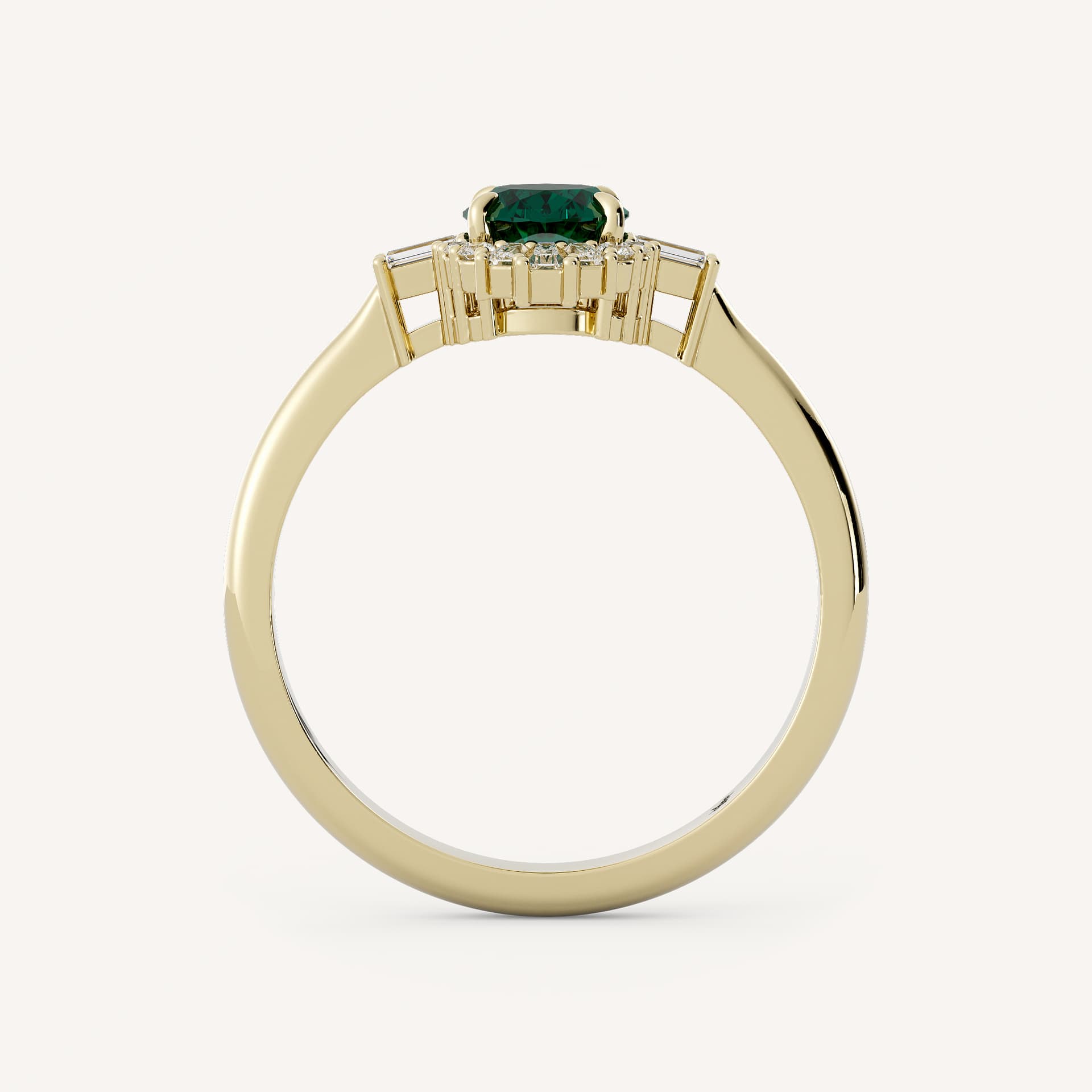
If the birthstone is going into a ring you'll rarely take off, diamond, ruby, and sapphire are the easiest choices, with alexandrite and spinel close behind. Aquamarine, emerald, tourmaline, citrine, and amethyst wear well with a little care and a setting that protects the edges, like a bezel or halo.
Hardness isn't the whole story, though. Toughness, or how well a stone resists chipping, matters too. Topaz is an 8 but chips more easily than its number suggests, while some softer stones hold up better than you'd expect.
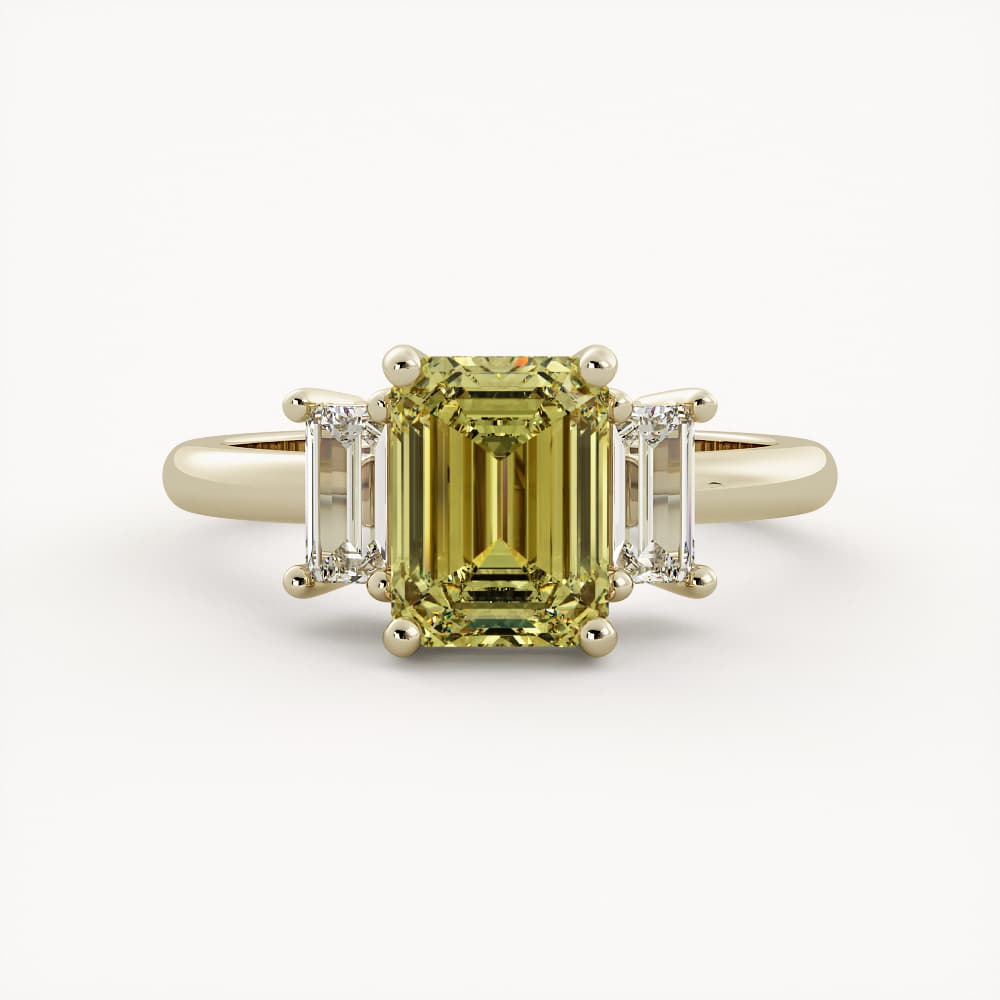
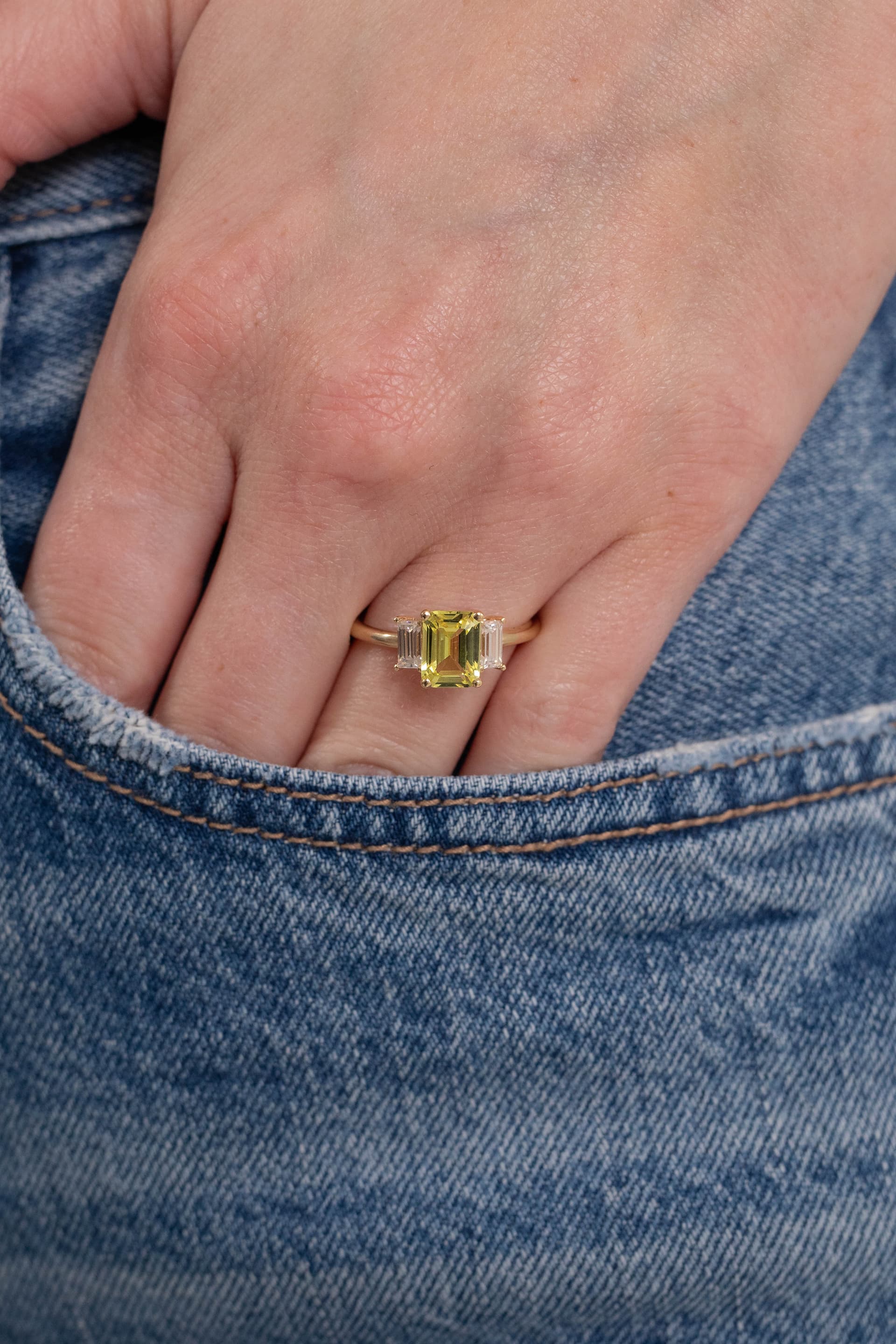
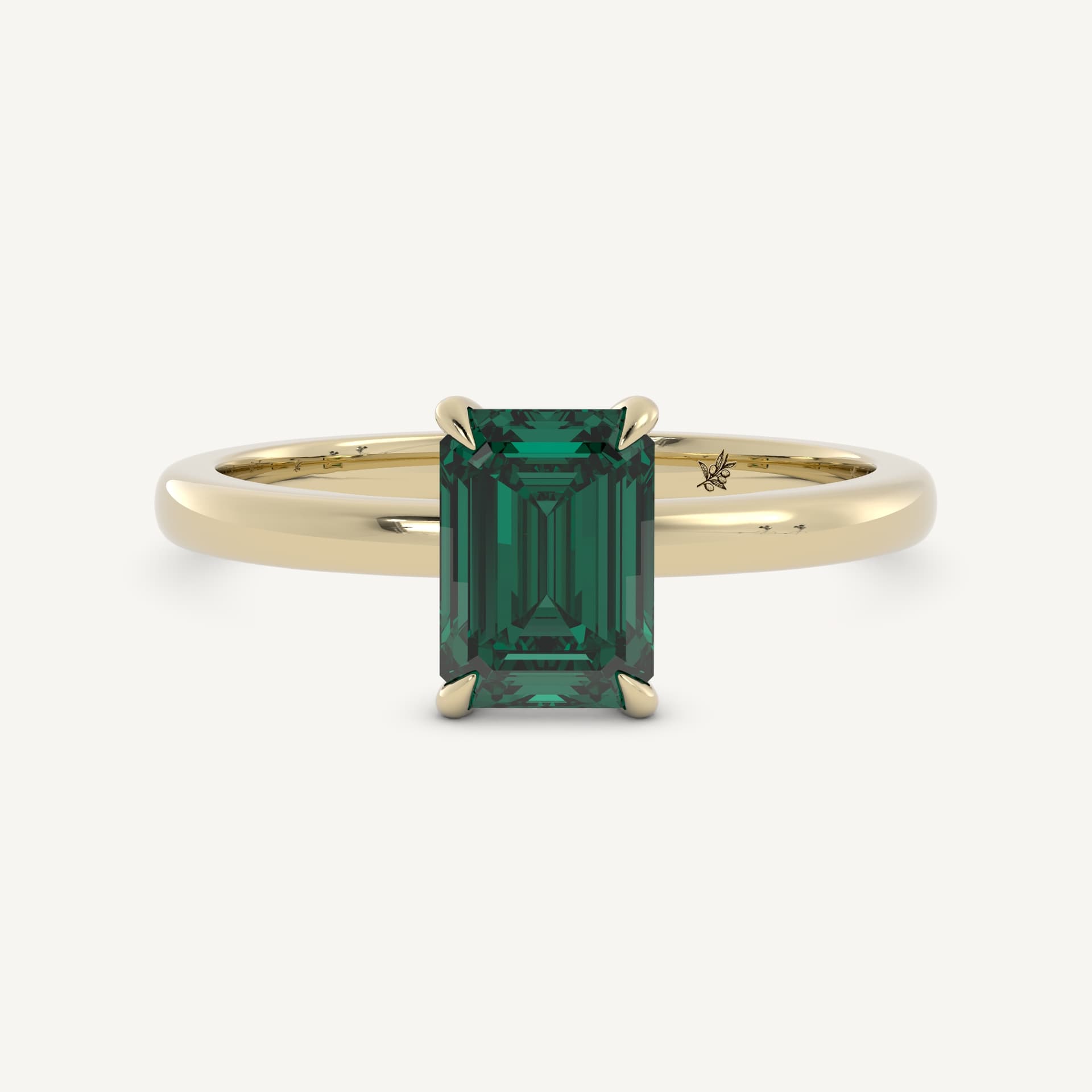
If your birthstone is on the softer side and you still want it on your hand every day, you have two good options. Wear it in earrings or a necklace, where it's protected from bumps. Or choose a harder stone in the same color: a green sapphire or lab-grown emerald for peridot lovers, or a blue sapphire in place of tanzanite.
How to care for birthstone jewelry
Most birthstones are happy with warm water, a drop of mild soap, and a soft brush. Skip ultrasonic and steam cleaners unless you know your stone can take them, and never use them on pearl, opal, emerald, turquoise, or tanzanite. Put jewelry on after lotion and perfume, and store pieces separately so harder stones don't scratch softer ones.
Every Olive Ave piece comes with our 60-Day Limited Warranty, which includes professional cleaning and inspection. Pearls are fragile enough that they're excluded from the warranty, so they deserve an extra gentle hand.