Product Education
925 Sterling Silver Ring Care
Now that 925 sits alongside our gold pieces, there's a good chance your jewelry box has both metals in it for the first time. This guide covers what's actually happening to your metal day to day, the specific do's and don'ts, how to think about individual pieces in the 925 collection and what to do if something feels wrong.
Why Metal Care Actually Matters
Most of what people assume is just "aging" in a piece of jewelry is accumulated contact damage, and most of that is preventable. A scratched band, a stiff hinge, a dulled stone, none of that is actually the metal getting old. It's the metal absorbing thousands of small hits: gym equipment, countertops, bedsheets, lotion and skincare that were never meant to touch it.
There's an important difference worth knowing here. Tarnish and a slight warming of tone over time are cosmetic and reversible, a good clean or polish brings them right back. Bent prongs, worn-through plating, or a permanently loosened setting are mechanical and usually not reversible without a repair. The goal of everything below is keeping your pieces in the first category and out of the second.
What's Actually Happening to Your Metal
Sterling Silver and Tarnish:
Sterling silver tarnishes because the copper mixed into it (the 7.5% that isn't pure silver) reacts with sulfur compounds in the air. That reaction forms a thin dark layer on the surface, which is what you're seeing when a piece looks dull or slightly yellowed. Humidity speeds it up, and so do perfume, certain lotions and rubber, since rubber bands and rubber-lined jewelry boxes both contain sulfur compounds that react with silver directly. None of this means anything is wrong with the piece. It's just chemistry, and it comes off with a polish.
Gold and Karats:
Pure gold, 24 karat, is soft enough to dent with a fingernail, which is why nobody makes everyday jewelry out of it. Karat is a measure of how much of that soft pure gold is mixed with other, harder metals. 10k gold is 10 parts out of 24 pure gold, the rest is other metal. 14k is 14 parts out of 24. 22k is 22 parts out of 24, closer to pure gold than either of the others. Lower karat gold is more durable day to day. Higher karat gold has a richer color and a higher gold content, but it scratches and dents more easily. That's the trade-off, not a flaw in either one.
White Gold and Rhodium:
Here's the part that surprises most people: white gold on its own has a faint warm tone, since it's still mostly gold underneath. The bright, cool white finish most people picture comes from a thin plating of rhodium, a different white metal, layered over the top. That plating wears thin with normal contact over time, which is why replating every 1 to 2 years keeps white gold looking the way it did on day one. Sterling silver never needs this step. It's just a different kind of upkeep, not more or less of it.

The Do's
- Clean it regularly. Every 3 to 4 weeks is a good rhythm for most pieces, more often for anything you wear daily and don't take off much. Regular light cleaning prevents the kind of buildup that eventually needs a harder, more abrasive clean to fix. Use a silver polishing cloth to clean up light tarnish. For deeper cleans, our Olive Ave cleaning kit works great.
- Check it over occasionally. Look at clasps, hinges and bands every so often, not just when something already feels off.
- Take it off before anything rough. Cleaning the house, yard work, the gym, moving furniture, anything involving your hands and force is harder on jewelry than an ordinary day. This one habit alone prevents most of the visible damage people eventually notice.
- Store it somewhere secure when it's off. An airtight pouch or anti-tarnish bag is best as minimizing air exposure slows down tarnishing. However, a covered dish, a box, a drawer with a divider, anywhere it won't get knocked around, scratched by other pieces, or lost in a couch cushion. Chains especially should be laid flat or hung rather than balled up loose, since that's how they kink and tangle.
The Don'ts
- Don't sleep in it. Gold is a relatively soft metal that wears down with constant friction, and prongs and clasps on any piece, silver or gold, are more likely to snag or bend against bedding overnight than at almost any other point in your day.
- Don't wear it to the gym or while lifting. Repeated hard contact with weights and machines scratches metal and loosens settings faster than almost anything else in a normal week. It's also just uncomfortable, most people find that out the hard way once.
- Don't clean, do your skincare, or spray perfume with it on. Lotion, makeup, sunscreen and cleaning products build up on metal and stones over time and dull the finish, and perfume in particular can speed up tarnish on silver. Take it off first, put it back on last.
Caring for Specific Pieces in the 925 Collection
A few pieces in the collection are worth a specific note, since the details that make them distinctive are also the parts that need a little attention.
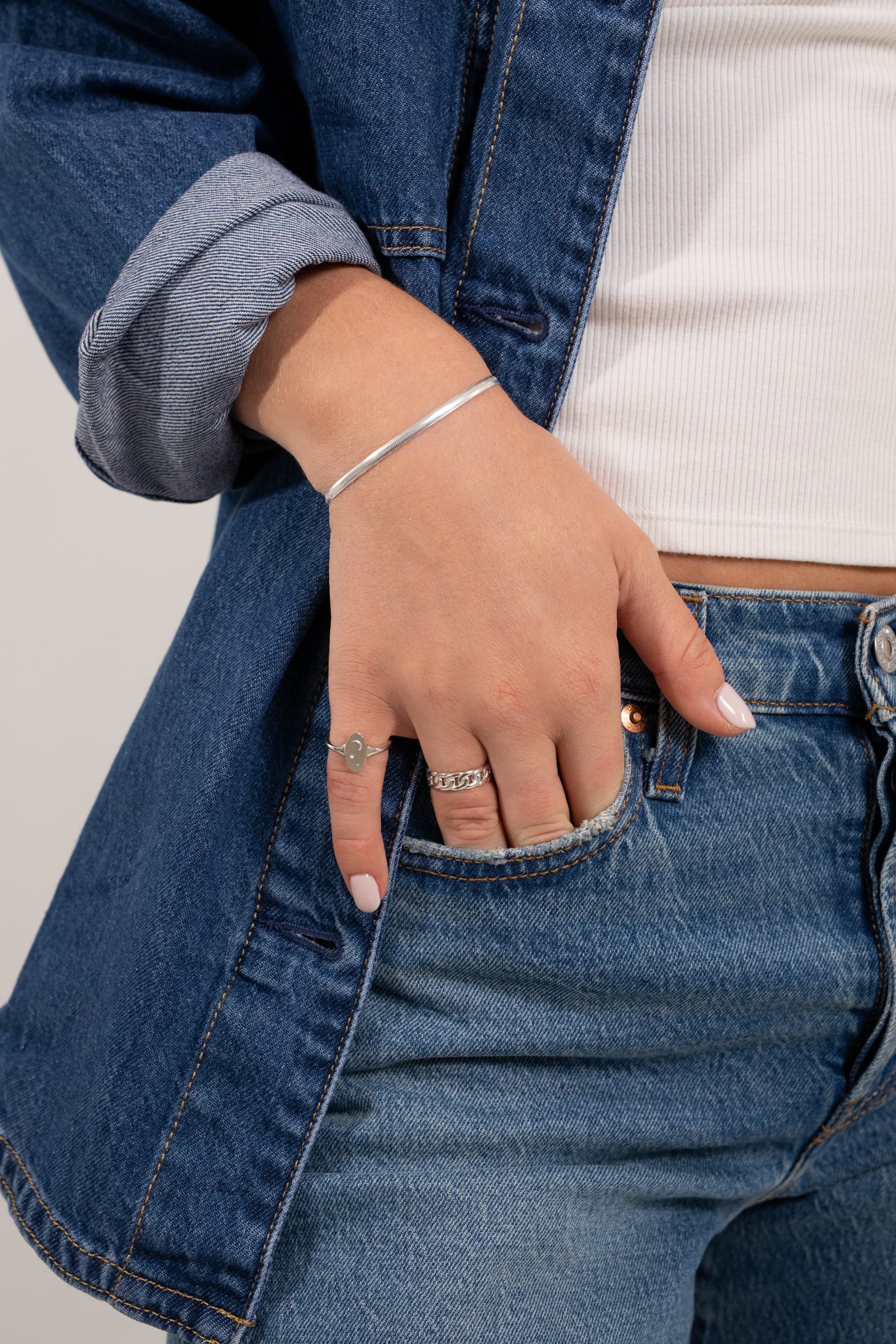
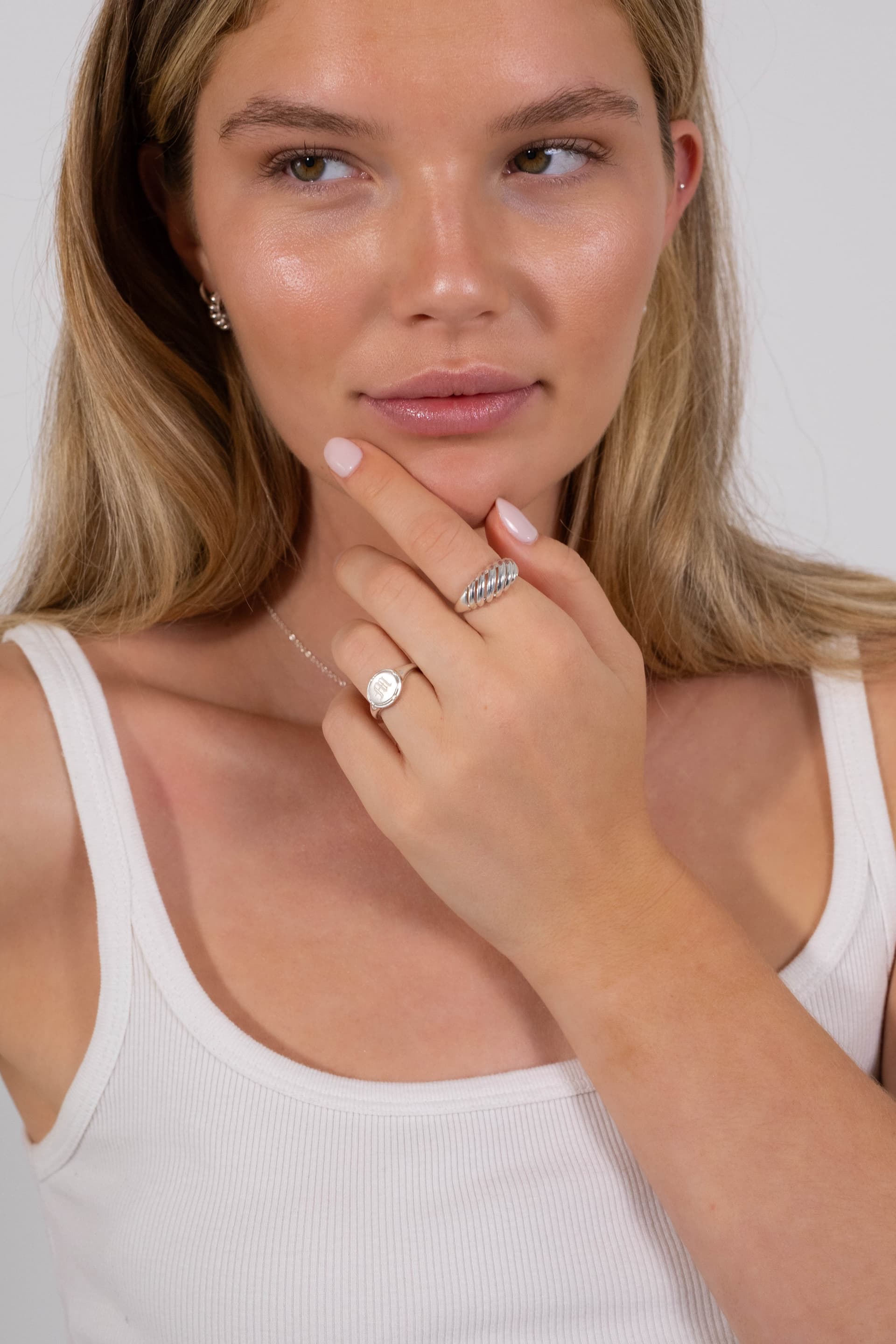
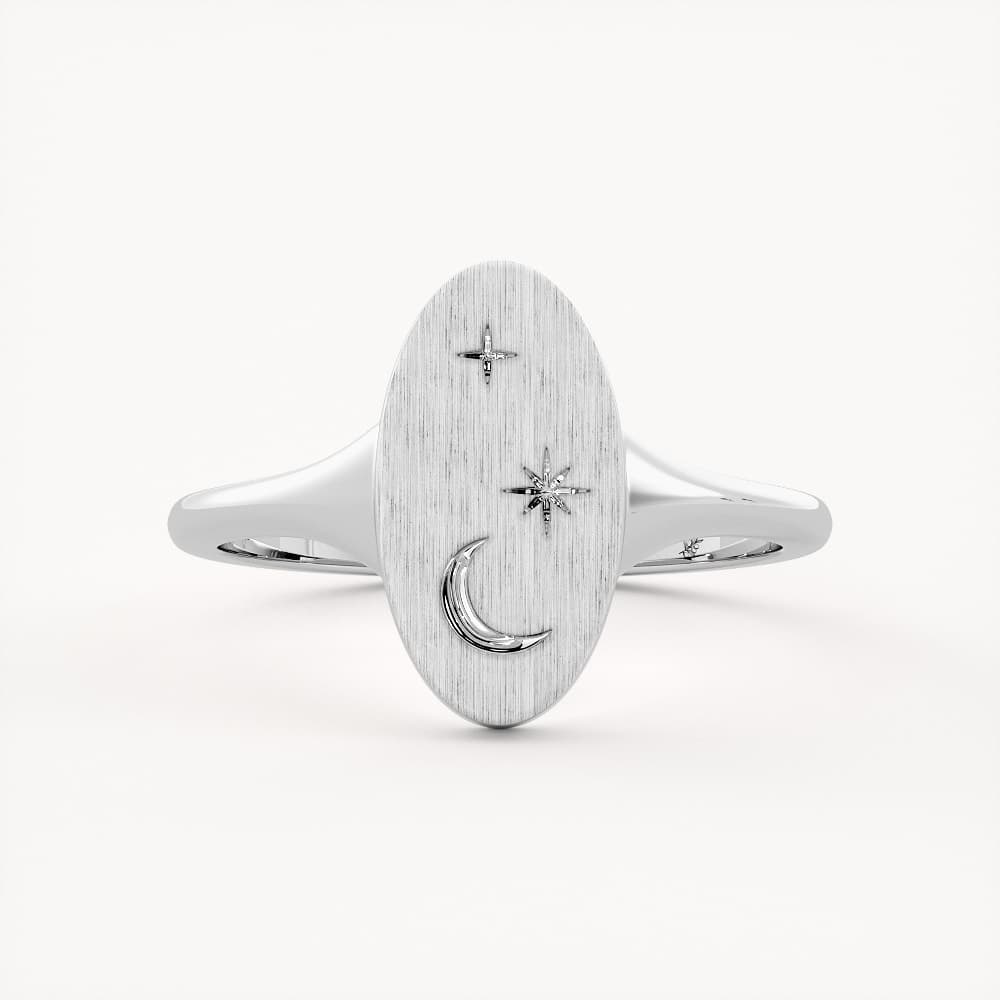
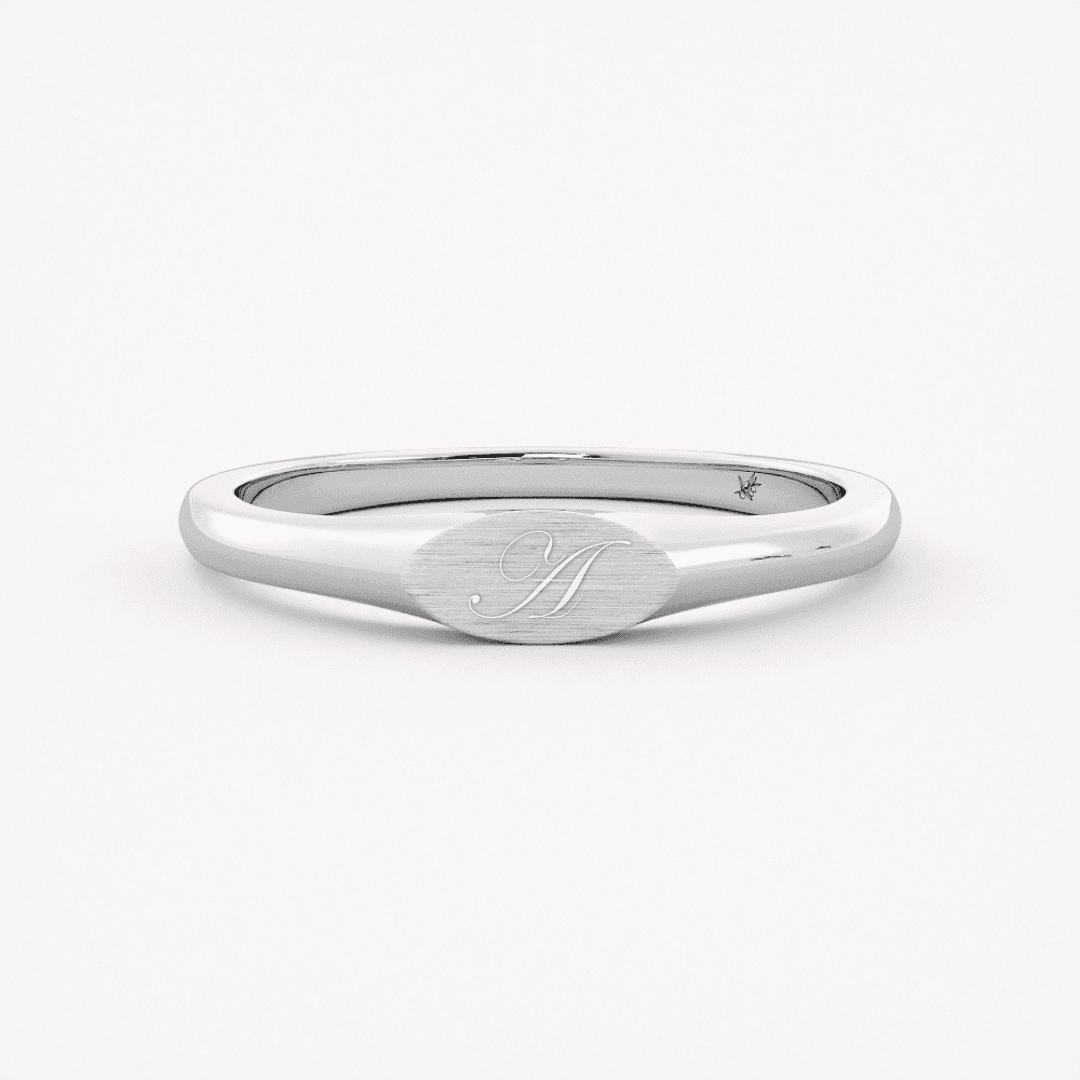
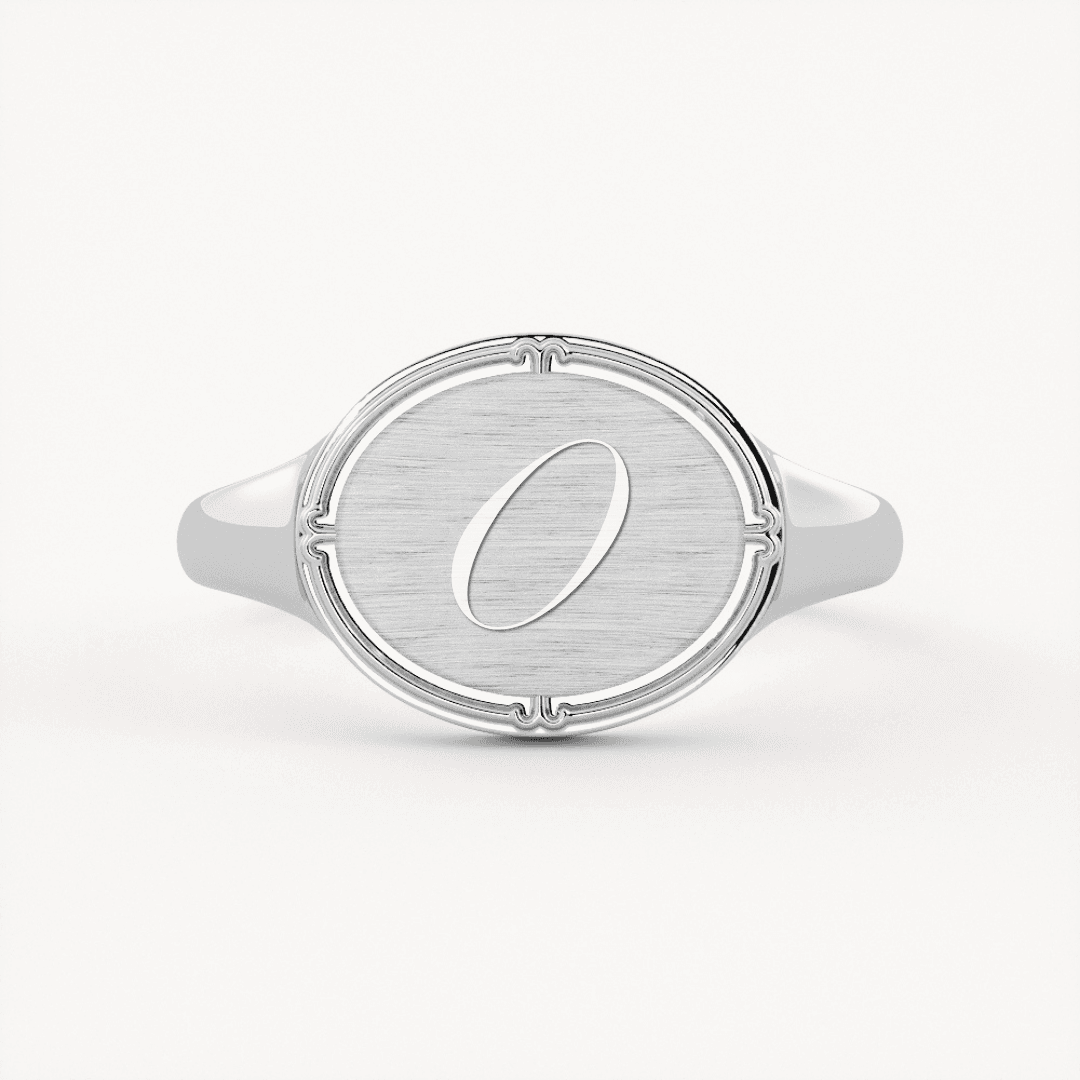
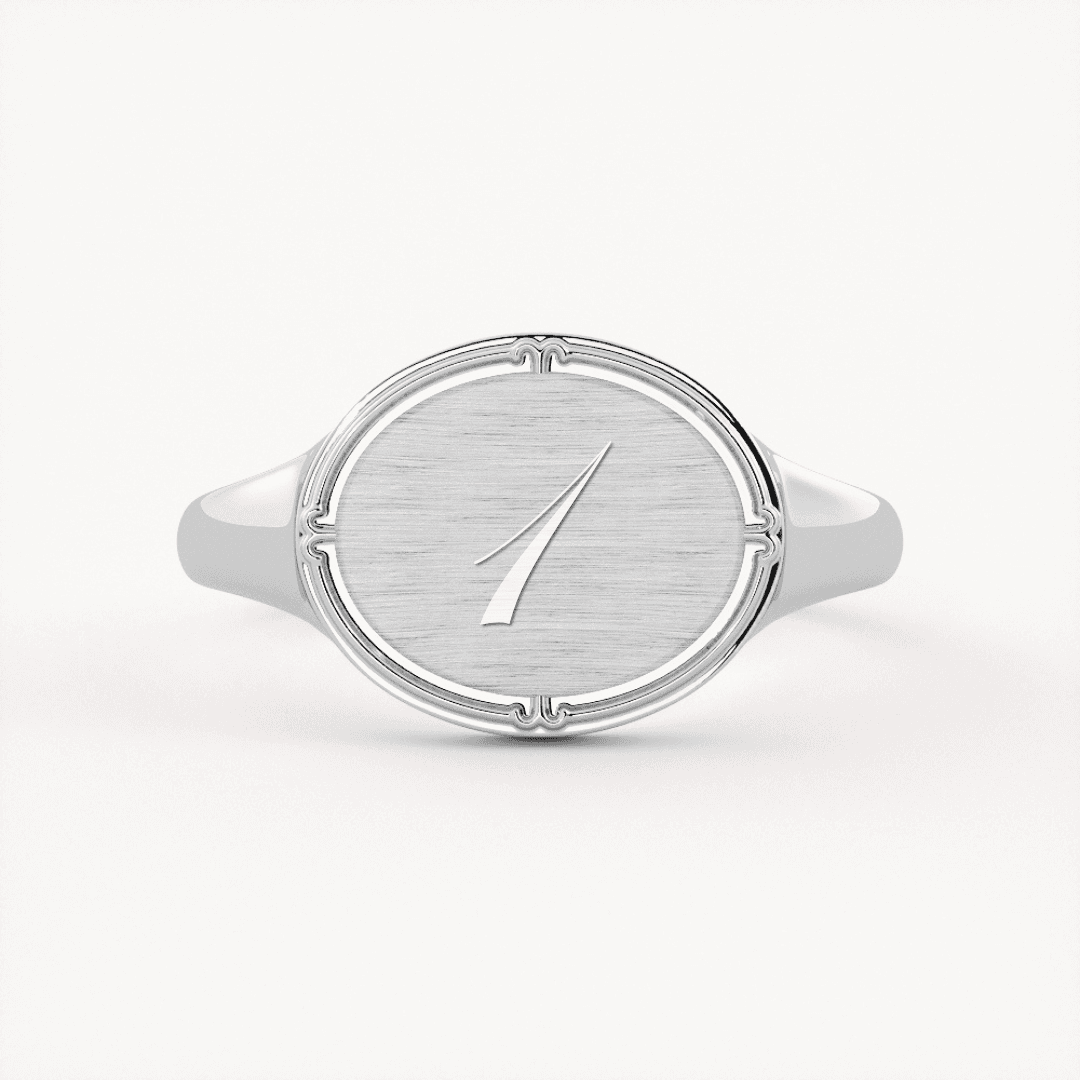
Engraved pieces like the Victorian Signet, Dainty Signet and Nova Signet have a satin-finished face built for engraving. Keep that face clean so the engraving stays easy to read, buildup from lotion or soap can settle into the fine lines over time.
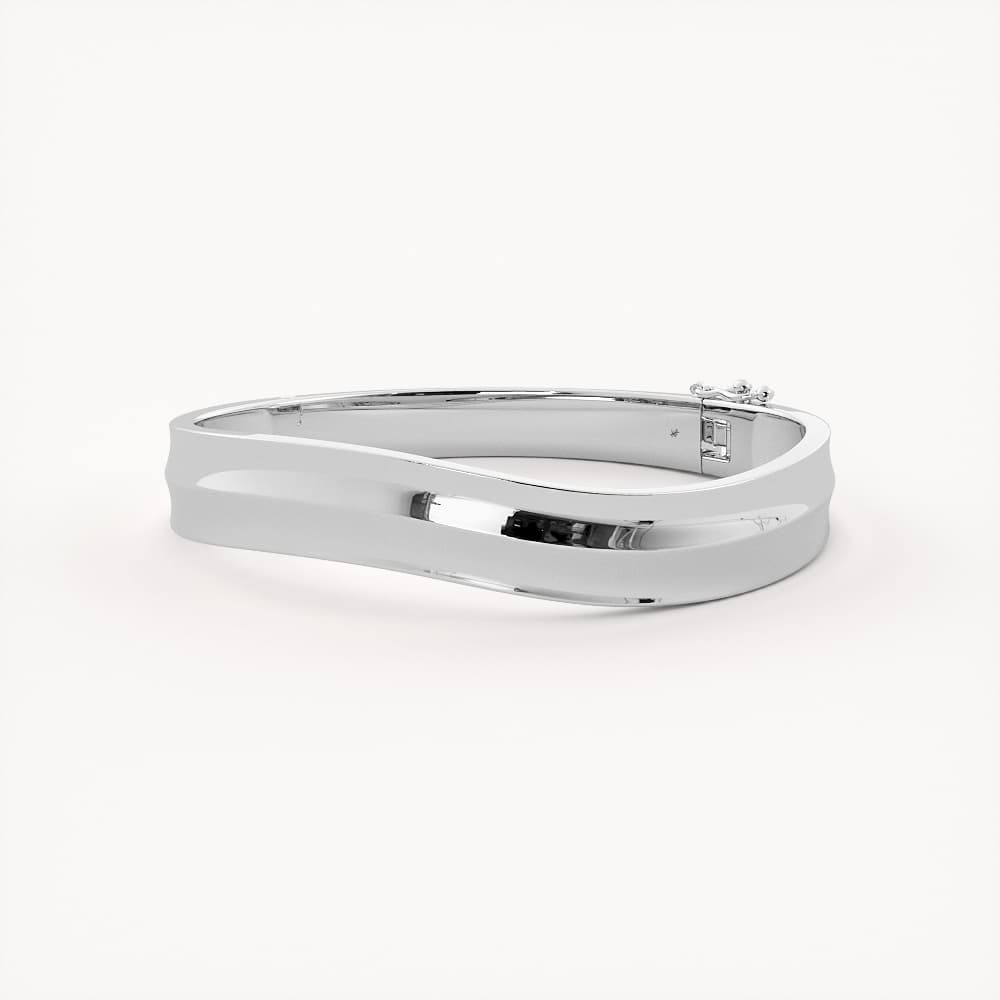
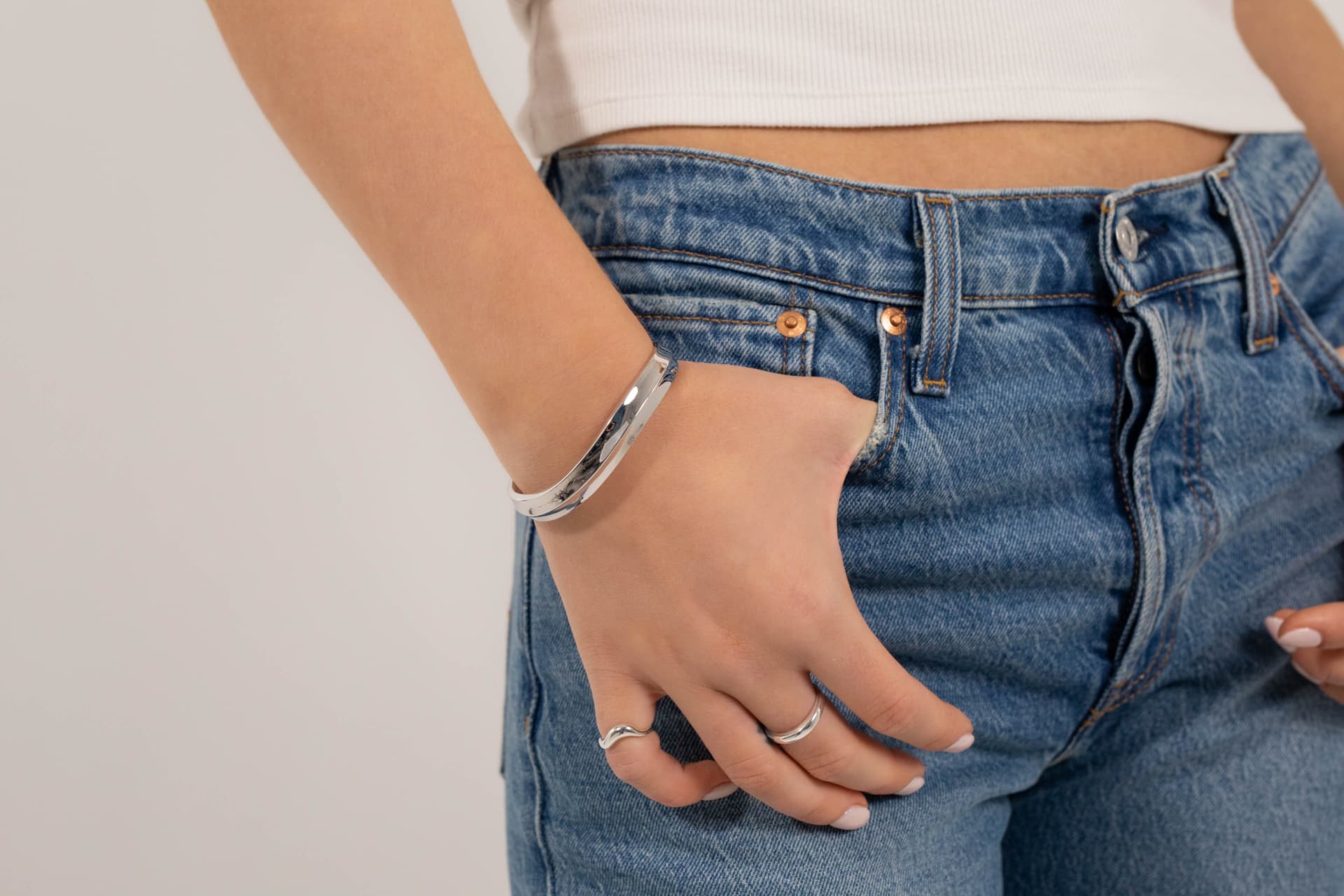
The Sailor Bangle's hinged closure is what makes it easy to get on and off, so it's worth checking periodically that the hinge still opens smoothly, the same way you'd check any clasp.
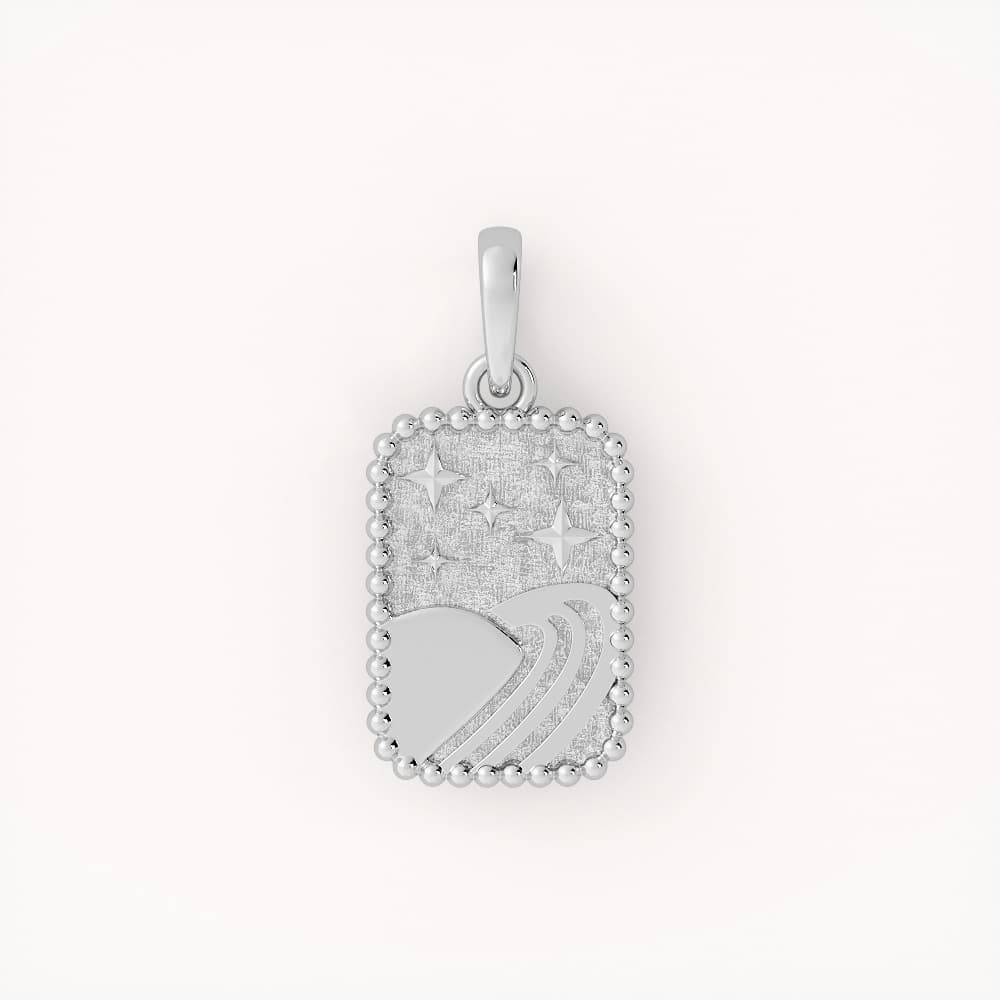
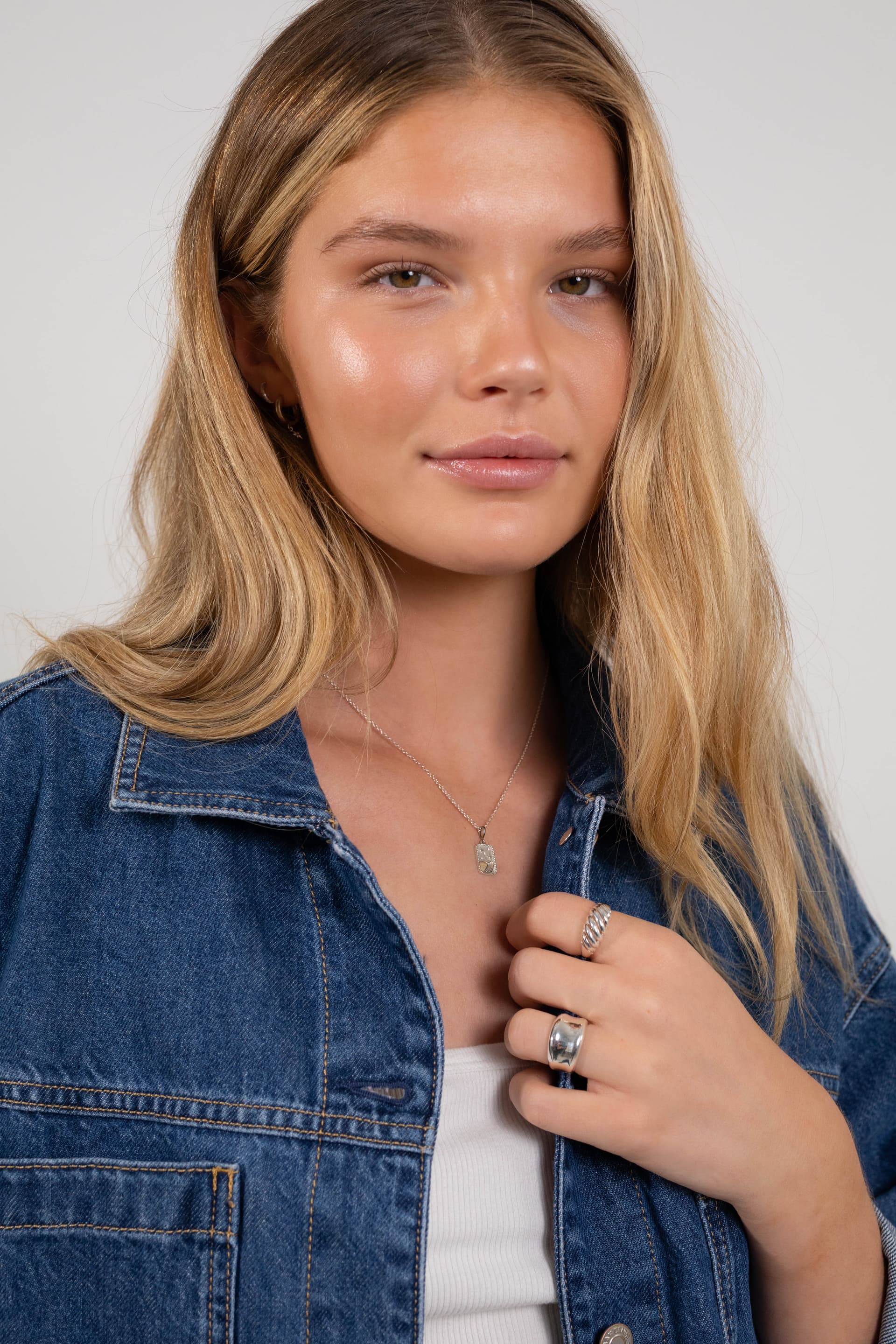
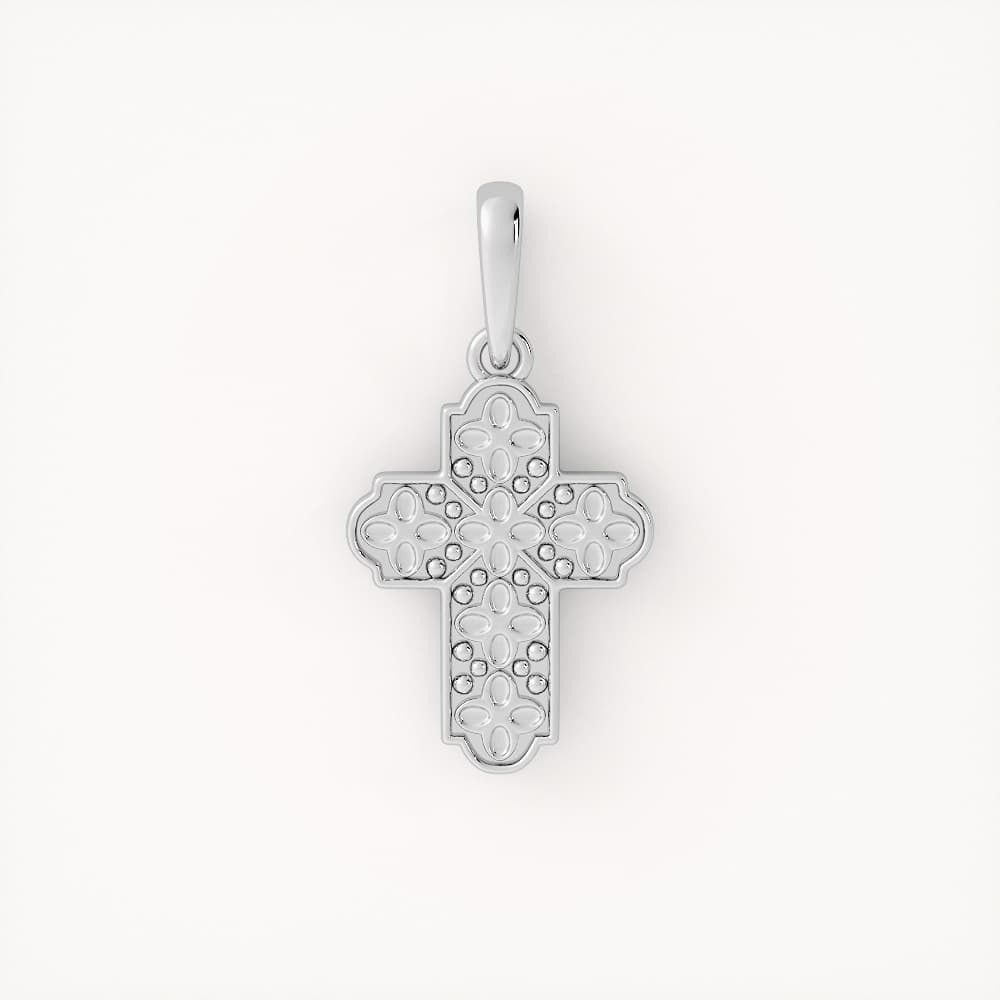
Chains like the Herringbone Necklace and Herringbone Bracelet are woven from many small links, which is exactly why they should be stored flat or hung instead of tossed in a drawer, a tangled woven chain is much harder to work loose than a simple one. And anything that hangs from a single point, like the In Every Universe Charm on its bail, puts all its weight on that one connection, so it's the first spot worth checking if a pendant ever feels like it's sitting differently than usual.
Keep it sparkling
We also sell an at-home cleaning kit, formulated for delicate and porous gemstones, pearls included, and it works well on the sterling silver and gold pieces themselves too. Porous materials like pearls are more sensitive than metal or hard gemstones since they can absorb oils, perfume and other residue, which is part of why they call for a gentler approach than a standard metal polish.
If a stone ever feels loose, a clasp doesn't catch the way it used to, or something about a piece just seems different, stop wearing it and reach out to us at hello@oliveavejewelry.com. We'd rather take a look than have you lose a stone or a piece somewhere you can't get it back.